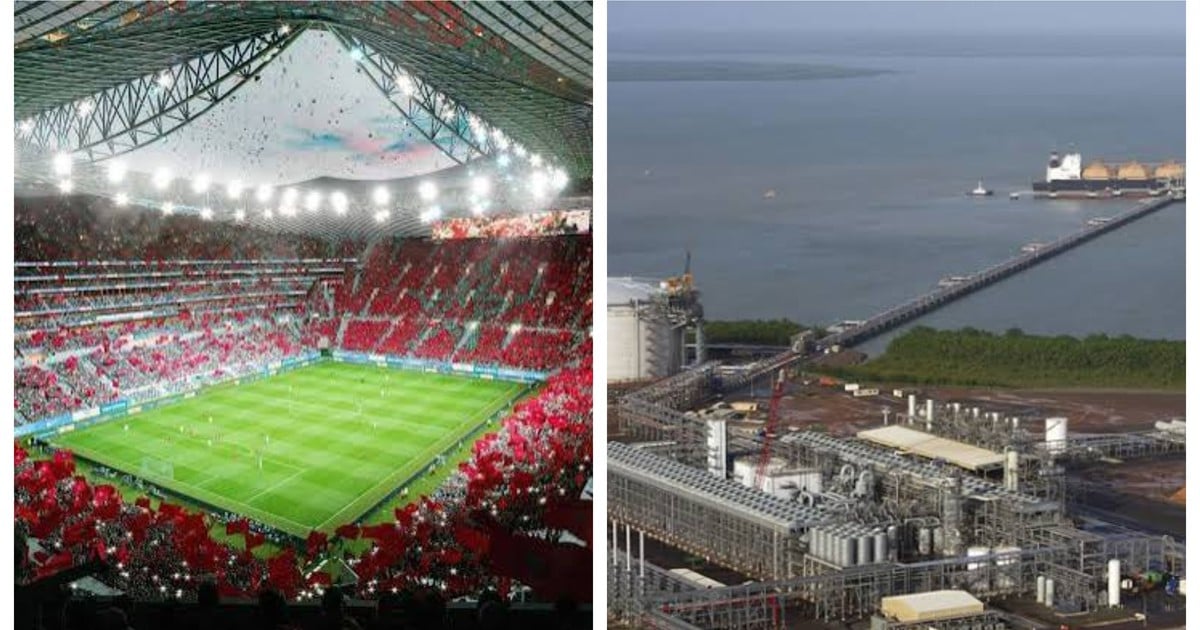
China, America, and Europe are intensifying their competition for influence across Africa through a wave of infrastructure projects. Ranging from a $42 billion LNG development in Tanzania and a $17 billion refinery in Kenya to a $12.5 billion international airport in Ethiopia, these multibillion-dollar investments aim to reshape energy, transport, trade, and critical mineral supply chains.
International powers are turning their focus toward the African continent, where a collection of massive infrastructure developments is advancing across multiple sectors. These projects seek to address long-standing African problems, from unreliable power and costly transport to dependence on imported fuel.
Energy and Transport Corridors in East Africa
Energy security and trade connectivity form the backbone of several major regional investments. Dangote Industries plans to build a 700,000-barrel-per-day refinery in Lamu, Kenya, in what could become its biggest refining investment outside Nigeria. The project is estimated at about $17 billion, with site selection, soil testing, and engineering work already under way. It could reduce East Africa’s dependence on imported petroleum products and serve markets including Uganda, Rwanda, Tanzania, and South Sudan. For Kenya, the refinery could also revive the long-running LAPSSET corridor and turn Lamu into a major industrial and energy centre. Its scale is also likely to attract interest from major Chinese, American, European, and other international engineering, construction, and technology companies competing for contracts, making the project important not only to East Africa’s energy security, but also to the wider global contest for infrastructure business and influence across the continent.
Aviation Expansion and Global Stadiums
Ethiopia broke ground on the $12.5 billion Bishoftu International Airport in January 2026, led by Prime Minister Abiy Ahmed and Ethiopian Airlines chief executive Mesfin Tasew. The project has already attracted world-class designers and engineers. Dar Al-Handasah is leading a consortium that includes Zaha Hadid Architects, Pascall+Watson, Landrum & Brown, and TYLin, while major construction groups from China, France, Italy, South Korea, and Turkey are competing for contracts. The first phase is designed to handle 60 million passengers a year, rising to 110 million at full capacity, with four runways and space for about 270 aircraft. At that scale, Bishoftu would compete with global aviation centres such as Dubai International, London Heathrow, Istanbul Airport, and Singapore Changi Airport.
In North Africa, Morocco is pouring about 5 billion dirhams, roughly $500 million, into the 115,000-seat Grand Stade Hassan II near Casablanca as it races to prepare for the 2030 FIFA World Cup, which it will co-host with Spain and Portugal. Backed by the Moroccan government and the Caisse de Dépôt et de Gestion, the stadium is expected to be completed by 2028. Once finished, it would become the world’s largest football stadium by capacity and is being designed with the World Cup final in mind. Beyond football, the project is part of Morocco’s wider infrastructure push across airports, railways, tourism, and urban development ahead of 2030, giving the country a global platform to showcase its ambitions.
Chinese Financing and Institutional Partnerships
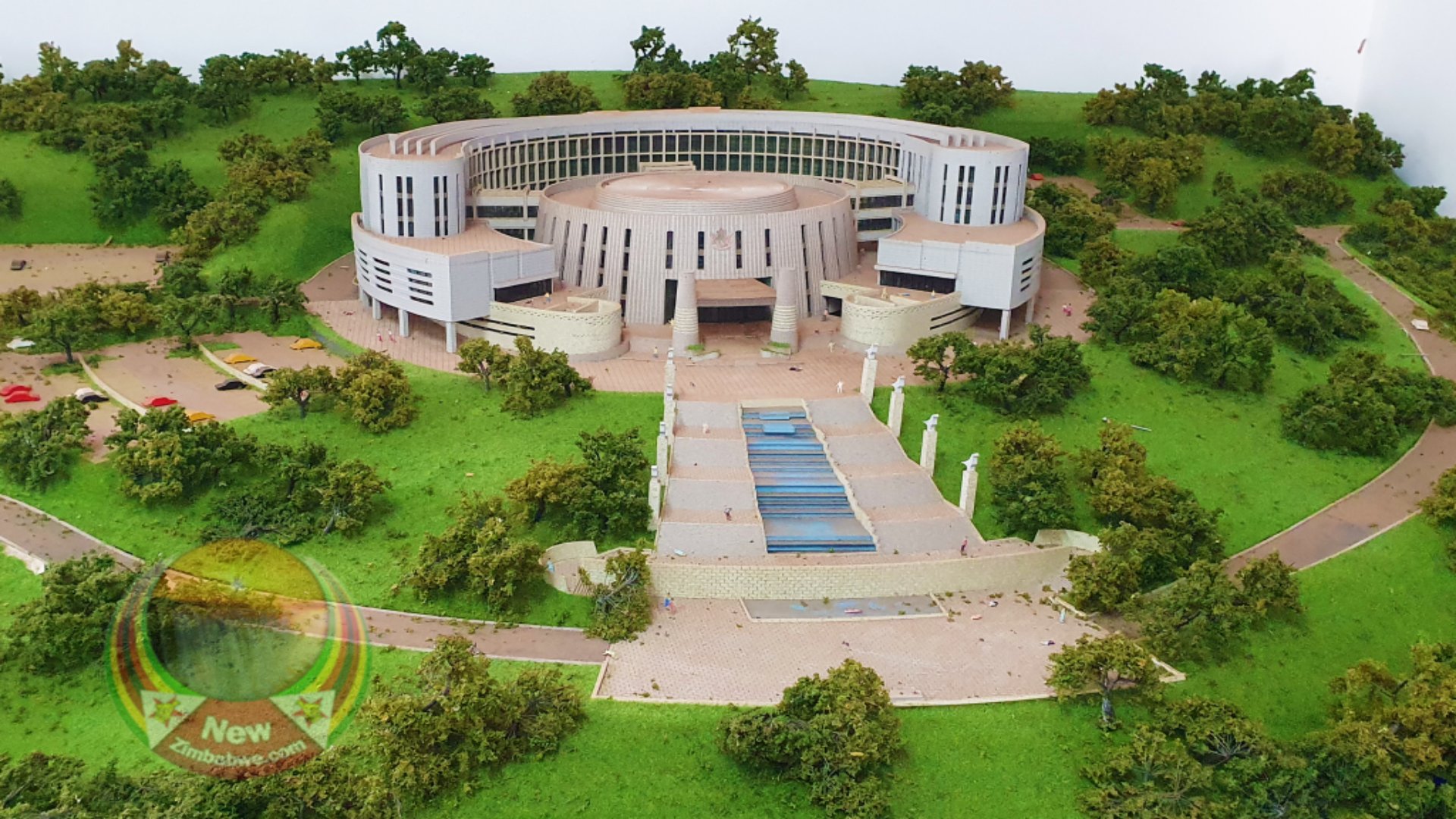
China has supported a number of major infrastructure projects across Africa through grants, aid programmes, concessional financing, and direct construction partnerships. Some of these projects have involved government buildings, hospitals, railways, and regional institutions, making China one of the most visible foreign partners in Africa’s infrastructure sector. In Zimbabwe, China funded and constructed the country’s new Parliament building at a reported cost of about $200 million. The project was provided as a gift by China and was designed to provide Zimbabwe with a modern facility for its legislative activities, becoming one of the country’s notable public infrastructure projects.
China has also supported the construction of the African Union headquarters in Addis Ababa, Ethiopia. The complex, reported to have cost about $200 million, was financed and constructed with Chinese assistance, providing space for the African Union and its various departments. In West Africa, China has supported the construction of the new Economic Community of West African States headquarters in Abuja, Nigeria. The project was funded through China’s aid programme to Africa and reportedly cost about $56 million, providing ECOWAS with offices and meeting spaces for its regional operations.
South Sudan is another country where China is involved in a major public infrastructure project. China is funding the construction of the Juba Teaching Hospital, with the project estimated at about $200 million. The hospital is nearing completion and is expected to provide additional facilities for medical treatment, training, and other health services in the capital.
Railway Networks and Geopolitical Competition
China has also played a major role in railway development in East Africa. One of the most prominent examples is the 752-kilometre Addis Ababa-Djibouti Railway, which connects Ethiopia with Djibouti and provides a railway link to the Red Sea. China financed about 70 percent of the project, while Chinese companies were involved in its construction. The railway has been operating as an important transport route for Ethiopia, particularly for moving goods between the landlocked country and Djibouti. According to figures associated with the railway’s operations, it has handled thousands of passenger and freight train journeys since entering service, supporting trade and movement between the two countries.
These projects are part of a wider pattern of Chinese involvement in African infrastructure, covering roads, railways, ports, government buildings, hospitals, power projects, and other public facilities. The form of Chinese assistance varies from one project to another, with some projects provided as grants while others involve loans, commercial financing, or cooperation between governments and companies. China’s role in Africa’s infrastructure development has also attracted debate over financing, debt, project costs, and the long-term benefits to host countries. At the same time, many African governments continue to seek Chinese support because of the scale of infrastructure projects that Chinese institutions and companies can finance and construct.
Related reading

CREA revises down 2026 home sales forecast again as September transactions fall 7.7%
Canada's housing market faltered in September 2026 as national sales dropped 7.7 per cent year-over-year.

Jersey Businesses Squeezed by Rising Fuel Costs
Diesel prices in Jersey have surpassed £2 a litre, sparking concern among local construction and trade businesses over...

Sensex Closes 1,533 Points Higher at 74,315.61
Indian equity benchmarks Sensex and Nifty rallied sharply on October 15, 2026, defying weak global markets as investors...
Yass Valley Council to Consider 76pc Rate Hike
Yass Valley Council has voted to put three financial options before the public, warning that residents across Yass,...