Vermont landowners and conservation advocates now have a detailed roadmap for hitting the state’s ambitious 30-by-30 target after the Vermont Housing and Conservation Board and the Agency of Natural Resources released their draft Vermont Conservation Plan on Monday.
The plan, the second major milestone under Act 59, moves beyond the inventory published in January 2025 to lay out specific pathways — voluntary easements, Current Use enrollment, community-driven projects — for conserving 30 percent of Vermont’s land by 2030 and 50 percent by 2050. Approximately 27 percent of the state already qualifies under the Act’s framework, leaving a modest but critical gap to close in the next four years, Audubon reported.
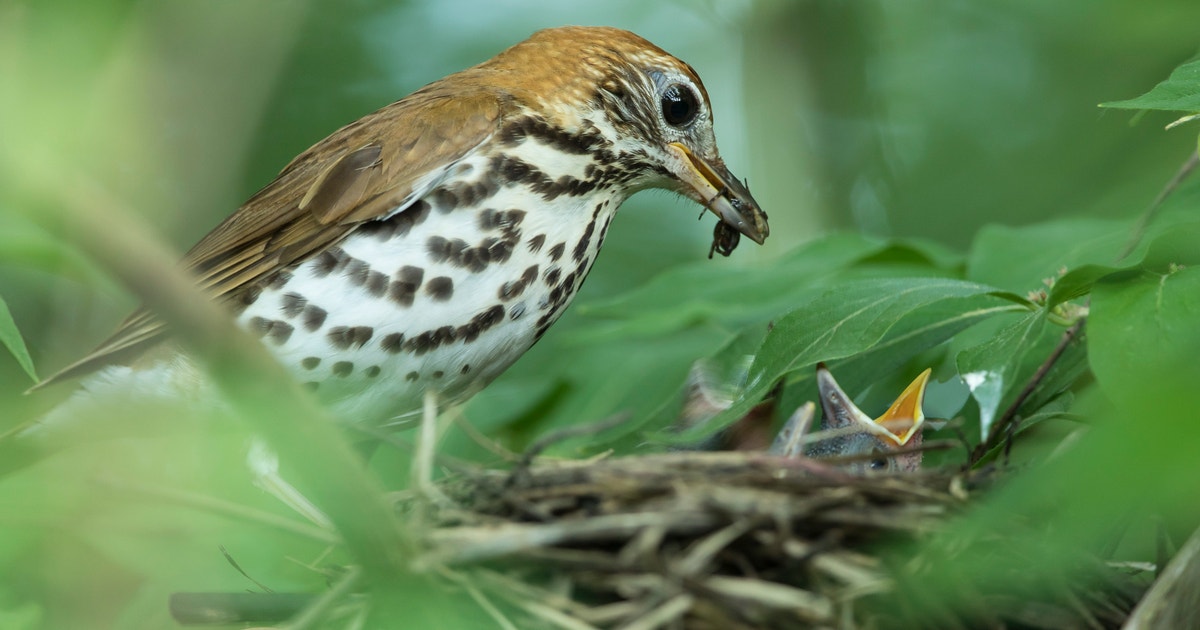
“Working proactively with landowners to conserve land and habitat is one of the most important ways that we can help protect birds and reverse biodiversity loss,” said a spokesperson for Audubon Vermont. “There can be no recovery of treasured and declining species like the Wood Thrush without helping landowners steward habitat here in Vermont, and across the hemisphere.”
The 30×30 math
Act 59, passed in 2023 as the Community Resilience and Biodiversity Protection Act, set nonbinding goals tied to what the Legislature called the “foundations of economies.” The Phase I report established the baseline: 27 percent conserved. That figure includes permanently protected land and parcels enrolled in long-term management programs recognized by the new framework. Reaching 30 percent means adding roughly 3 percent of Vermont’s total land area — about 150,000 acres — to the conserved column before 2030.
The draft plan stresses that acreage alone is insufficient. Ecological connectivity, working-lands viability, recreational access, and equitable outcomes for underserved communities carry equal weight. The document identifies funding gaps and the need for “intermediate options” like enhanced Current Use incentives to bridge the difference without relying solely on permanent easements.
Voluntary by design
Every pathway in the plan hinges on landowner willingness. The state cannot compel participation; it can only expand the menu of financial and technical tools. That reality frames the central tension: Vermont is close to the 2030 target on paper, but the final increment requires convincing hundreds of individual property owners that conservation aligns with their economic interests and community values.
The plan emerged from a multi-year public process involving nearly 500 Vermonters across stakeholder sessions and public meetings. That engagement shaped the emphasis on “diverse strategies” and the explicit call for new funding mechanisms to support community-driven projects.
Public Comment Period Precedes Final Plan Approval
The draft is open for public comment before VHCB and ANR finalize the plan later this year. Implementation will depend on the Legislature appropriating the additional funding the document identifies as essential. Without those dollars, the “menu of options” remains largely theoretical.
The Wood Thrush still needs that habitat. Whether Vermont landowners choose to provide it — and whether the state pays its share — will decide if the 30×30 goal becomes a landmark or a footnote.
Keep reading
SEPTA Adds Express Trains for Steelers Game as Marathon Clogs Roads
Traffic congestion from the Philadelphia Marathon will complicate travel to Lincoln Financial Field this Sunday, prompting transit officials...

ICE Lodges Detainer for Guatemalan Charged With Kidnapping, Raping Oklahoma Teen; Suspect Released Under Obama Administration
U.S. Immigration and Customs Enforcement lodged a detainer asking Oklahoma officials not to release a Guatemalan man charged...

Lynn Businesswoman Cynthia Carco Dies; Services Nov. 24
Cynthia Yvonne Carco died Thursday; her Funeral Mass is scheduled for Tuesday, November 24, 2026, at 10:00 A.M....

Columbus Crew Face Messi, Inter Miami in Playoff Opener
“To be honest, you never want to play against one of the best in the world who can...