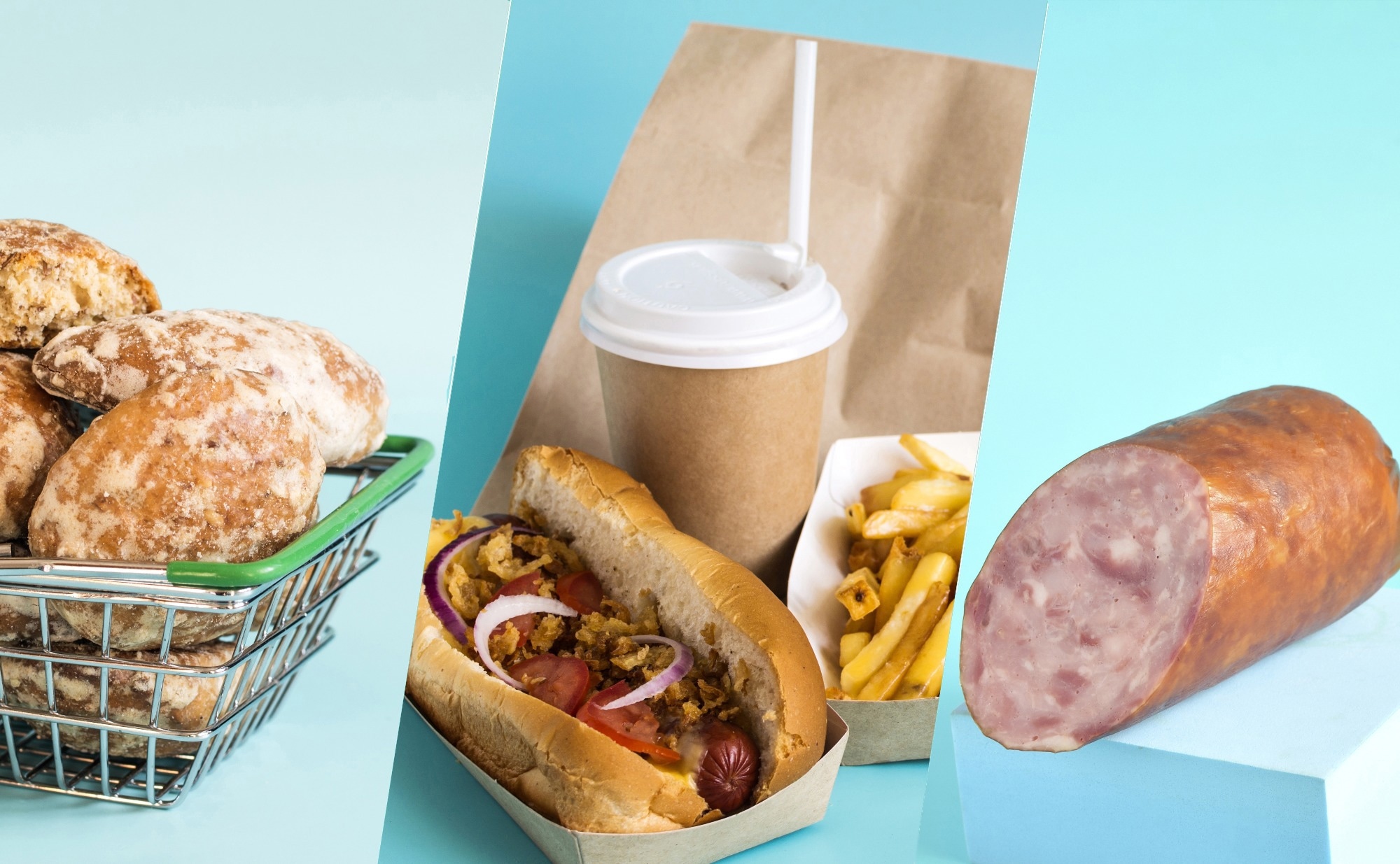
Eating red meat or ultra-processed foods during pregnancy does not appear to be linked to an increased risk of postpartum depression, according to a new prospective cohort study published in Scientific Reports.
The findings, reported by News-Medical, suggest that the complex dietary habits of expectant mothers may not be a primary driver for probable postpartum depression (PPD) in the specific group studied. While researchers have long looked for modifiable nutritional factors that influence maternal mental health, this data provides a more nuanced view of the relationship between diet and postpartum mood disorders.
Ultra-processed food and red meat intake correlate with depressive symptoms
The study tracked a cohort of pregnant women in Iran from October 2022 to May 2023 to investigate how consumption of ultra-processed foods (UPFs) and red meat might correlate with depressive symptoms. Postpartum depression is a major public health issue, as it is a prevalent form of major depressive disorder that can impact both the mother and the child's growth trajectories.
Researchers utilized the Edinburgh Postnatal Depression Scale to evaluate participants during weeks four to six after childbirth. A score of 13 or higher was used to identify probable PPD, though the study noted this is a screening tool rather than a formal clinical diagnosis.
Despite the intense scientific interest in how processed foods affect neurological pathways, the researchers found no significant associations between UPF or red meat intake and probable PPD across any of their statistical models. This includes adjustments for maternal age, pre-pregnancy body mass index (BMI), education, and socioeconomic status.
Nutritional variations among participants
While the primary link to depression was not found, the study did reveal distinct nutritional differences between the groups of women based on their eating habits. These variations highlight how different dietary patterns often cluster with other lifestyle and socioeconomic factors.
Women in the highest tier of red meat consumption showed higher levels of certain nutrients, including vitamin B12, zinc, and various fatty acids. Conversely, those with the highest intake of ultra-processed foods tended to consume more total energy and saturated fats, but lower amounts of whole grains and essential vitamins like B1 and B9.
| Nutrient/Factor | Higher Red Meat Intake Group | Higher UPF Intake Group |
|---|---|---|
| Saturated Fatty Acids | Higher | Higher |
| Vitamin B12 | Higher | Lower |
| Whole Grains | Not specified | Lower |
| Total Energy Intake | Not specified | Higher |
Limitations and the need for broader research
The researchers were careful to note that the lack of a clear link does not necessarily mean these foods are harmless. They pointed out that the statistical estimates were somewhat imprecise, meaning that potentially meaningful associations could not be entirely ruled out.
Several factors may have influenced the study’s ability to draw definitive conclusions. The research relied on a food frequency questionnaire, which can lead to inaccuracies in how much participants remember eating. The study only assessed depressive symptoms during a specific window—four to six weeks postpartum—and did not account for mental health states, such as anxiety or depression, during the pregnancy itself.
The scope of the study also presented challenges for researchers attempting to generalize the findings. The sample size was modest, consisting of 264 participants, and the use of convenience sampling may not reflect the broader global population. The inclusion of organ meats within the red meat category may have added complexity to the nutritional data.
Because the etiology of postpartum depression is multifactorial—involving a complex interplay of genetic, biological, environmental, and psychosocial determinants—diet is only one piece of a much larger puzzle. Larger prospective studies are still required to clarify whether these dietary patterns play a role in maternal mental health on a wider scale.
The study is available in full through the Scientific Reports journal reference.
Worth a look

BNPB Announces Safety Evaluation After South Kalimantan Helicopter Crash
Helicopter crashes into Barito River during firefighting mission A Super Puma H-225 transport helicopter crashed into the Barito...

£40m NHS Scheme to Provide Extra GP Support for 300,000 Patients
GP support for 300,000 patients to ease winter pressure England is launching a £40 million programme to provide...

Brampton Man Charged After Multiple GTA Street Racing Incidents
A Brampton man faces multiple charges after GTA street racing investigation Tarman Toor, a 24-year-old resident of Brampton,...

Tirzepatide Reduces 3-Year MALO in Compensated Cirrhosis Patients
Tirzepatide reduces liver outcomes in cirrhosis patients Patients with compensated cirrhosis treated with tirzepatide showed an 8.3% rate...