New international student enrollment at colleges and universities across the United States fell by 15% nationwide this fall, marking a double-digit decline for the second year in a row.
Data released by the nonprofit Institute of International Education shows that overseas students are running into significant roadblocks created by rising educational expenses and tightening federal visa restrictions. A more exhaustive IIE analysis revealed that incoming international student numbers dropped by 18% compared to the previous year in fall 2025.
Higher education leaders point to a compounding mix of economic and administrative pressures. Fanta Aw, the CEO of NAFSA: Association of International Educators, described the current climate plainly.
“The U.S. education system is among the most expensive education systems in the world,” said Fanta Aw, the CEO of NAFSA: Association of International Educators. “When you add to that increased competition from other destinations and now this unpredictability of visa appointments, this is the perfect storm, I would call it.”
Graduate programs bear the heaviest losses
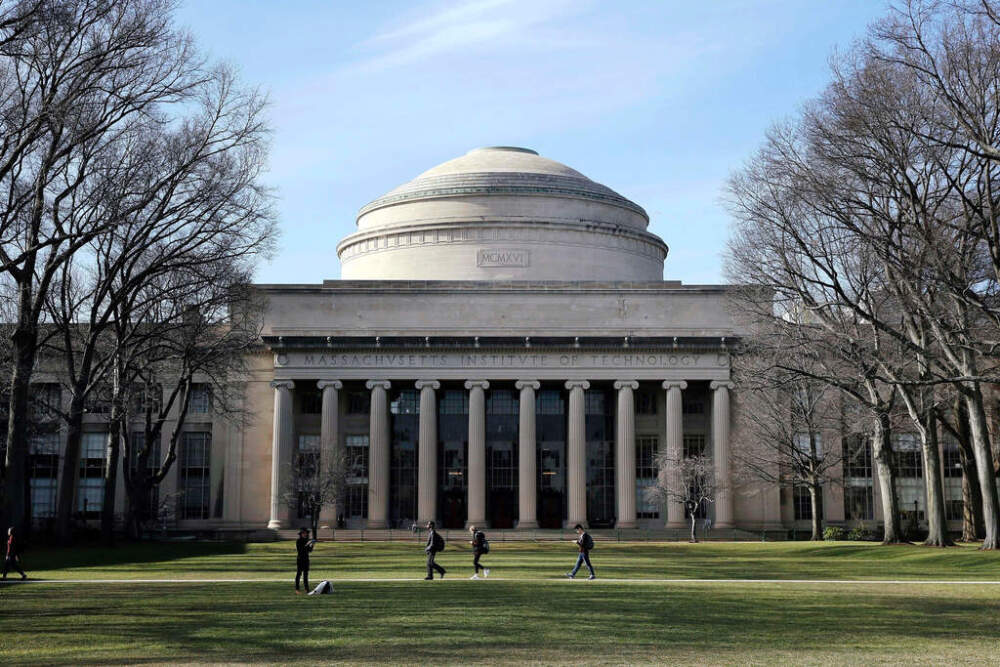
The downturn is hitting graduate-level programs with particular severity. This fall, international graduate student enrollment at MIT dropped by 88 individuals, a campus where foreign students typically account for about 40% of the entire graduate population. That dip brings graduate totals below 2,900 for the first time in six years.
MIT president Sally Kornbluth noted in a video message to the campus community this past spring that the institution is simultaneously managing depressed federal funding. “We've already seen clear signs that policy changes affecting international students and scholars are discouraging extremely talented individuals from applying to join our community,” MIT president Sally Kornbluth said in a video message to the campus community this past spring.
Undergraduates will have fewer graduate students as mentors in their research, Kornbluth said.
Mirka Martel, head of research at the Institute of International Education, explained during a press briefing that last year’s decline in graduate enrollment was primarily driven by a 22% drop in master’s degree students.
Applicants from India accounted for a large share of this shift. “Over the last five years, international graduate numbers first soared following the COVID-19 pandemic, particularly at the master’s level for three years, and have since eased,” she said.
Trump administration policies and proposed fees squeeze student pipeline
Since 2025, the Trump administration’s restrictive policies have squeezed the pipeline of foreign students. Measures include travel bans against specific countries, student visa terminations, and an attempted four-year cap on international students’ duration of status in the U.S., which a federal judge has temporarily blocked.
Adding to these hurdles, the U.S. Department of Homeland Security last month proposed a new $70,000 fee for international students wanting to remain in the country for practical training during or after graduation.
This optional practical training program, known as OPT, has long served as a primary draw for foreign scholars. That practical experience offers a competitive advantage when students return home, according to NAFSA’s Aw. Yet the newly proposed fee threatens to erase that incentive.
Institutions warn they cannot absorb the financial blow. Boston University co-signed an opposition letter stating the policy would incur more than $175 million in fees annually for the institution, placing OPT out of reach for many students. While DHS indicated it might revise the rule based on public feedback, no timeline has been set for a final regulation.
Economic ripples across local economies
The contraction carries concrete financial consequences for host states. According to projections by NAFSA, the roughly 80,000 foreign students enrolled in Massachusetts generate $3.3 billion for the local economy and sustain upwards of 26,000 jobs.

State totals reflect the broader national slide. Last year, total foreign student enrollment in Massachusetts fell 4% from the prior year, while new student enrollment dropped 17%, IIE told WBUR.
Northeastern University reported that total international student enrollment was down 13% from last fall. At Boston University, undergraduate enrollment from abroad remains strong and stable, while graduate international enrollment has softened.
Community colleges offering two-year associate degrees proved to be the sole area of growth, recording a 3% bump in international enrollment last year.
Keep reading

Four New Developments Coming To Cobble Hill, Brooklyn – New York YIMBY
Four new residential and commercial developments are altering the streetscapes along the northern and eastern edges of Cobble...

Bison Coach Richman ‘Extremely Disappointed’ After Home Loss – InForum
North Dakota State head coach David Richman voiced sharp frustration after a 73-69 home loss to CSU Bakersfield...

Why the New York Rangers Should Trade Will Cuylle and Braden Schneider
The New York Rangers sit at a familiar crossroads, balancing the urgent demand to win today with the...
The Towns In New Mexico Where Retirees Are Moving To – World Atlas
Older New Mexicans on Medicare reached 428,059 by July 2026, as retirees reshaped communities from mountain hamlets to...