WalletHub ranked Orlando the best U.S. city to retire in 2026, with Miami second and Tampa third, the personal-finance platform said Thursday.
- Florida claims the top three spots, led by Orlando.
- Orlando ranks second nationally for affordability; Miami and Tampa did not make the top 10.
- Home insurance in Florida jumped 75% from 2021 to 2025, double the national increase.
- Sioux Falls, S.D., leads the health-care category; Scottsdale, Ariz., tops quality of life.
The ranking compared 182 of the largest U.S. cities across 45 metrics weighted equally among affordability, activities, quality of life and health care, using data from the Census Bureau, the Bureau of Labor Statistics and WalletHub’s own research, The New York Times reported.
Florida’s lack of state income, inheritance and estate taxes helped push three cities into the top 10, WalletHub analyst Chip Lupo told the Times. Orlando’s “very affordable” in-home health and adult day care services, plus a central location less exposed to Gulf Coast hurricanes, edged out Miami and Tampa, he said.
“It’s important to choose wisely when picking where to retire, as many retirees are on a fixed income,” Lupo told WalletHub. “The best cities for retired people are those that minimize taxes and expenses, as well as have good opportunities for retirees to continue paid work for extra income, if they choose to do so.”
Affordability tells a different story. Brownsville, Texas, ranks first. Only Orlando (No. 2) cracks the top 10 among Florida cities; Tallahassee (No. 8) and Jacksonville (No. 9) also appear, while Miami and Tampa do not, Moneywise reported. A Coalition for an Insurable Future study found Florida home insurance costs spiked 75% from 2021 to 2025, compared with a 38% national average increase.

Scottsdale, Ariz., finished fourth overall and claimed the best quality-of-life score and the second-highest share of residents 65 and older, despite an affordability rank of 114th, the Times said. Casper, Wyo., placed fifth, cited as one of the cheapest cities to live in.
Sioux Falls, S.D., led the health-care category, which measured life expectancy, death rates for people 65 and over, top-rated geriatrics hospitals and per-capita health professionals. North Dakota and South Dakota placed three cities in the health-care top 10: Rapid City (No. 5), Fargo (No. 4) and Bismarck (No. 6), Moneywise reported. The Northeast also scored well, with South Burlington, Vt. (No. 2), Pittsburgh (No. 7), Boston (No. 9) and New Haven, Conn. (No. 10).
For activities, Miami ranked sixth and Tampa 10th. San Francisco, Cincinnati, Washington, D.C., Atlanta, Las Vegas, New Orleans, Minneapolis and Honolulu rounded out the top 10, Moneywise said. No Florida city reached the quality-of-life top 10; Arizona, California and Hawaii dominated, though Madison, Wis., placed sixth.
Among the five worst cities to retire, four were in California, with Stockton last. New York City ranked least affordable, the Times said. Lupo suggested retirees on fixed incomes consider “somewhere middle of the road, a place like Knoxville, Tenn., or Columbia, S.C.”
WalletHub’s full ranking scored Orlando 63.38, Miami 59.40 and Tampa 59.29 out of 100, with category ranks for affordability, activities, quality of life and health care, respectively: Orlando 2, 17, 7, 11; Miami 54, 6, 9, 12; Tampa 41, 10, 3, 48, WalletHub data show.
Around 61% of workers say they are somewhat confident they will have enough money to retire comfortably, but only 21% are very confident, WalletHub said, citing survey data.
Worth a look
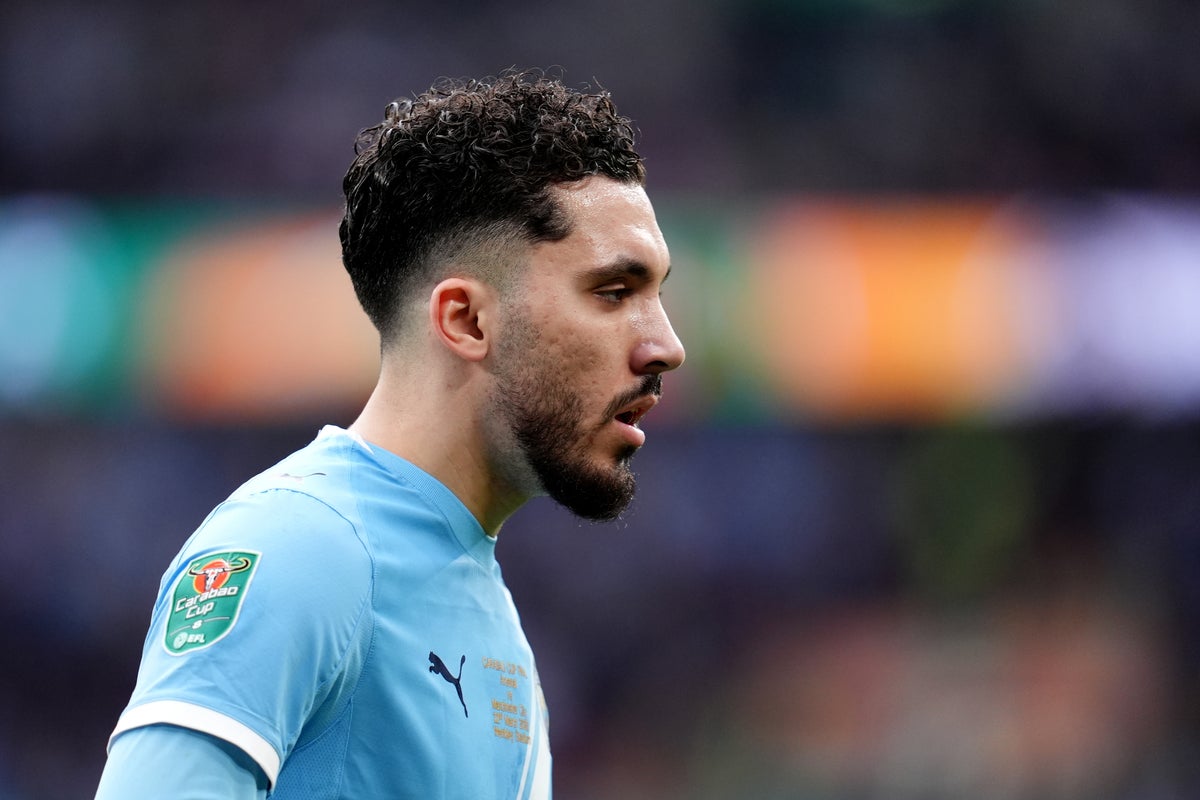
Maresca Drops Cherki From Man City Squad Over Training Levels for Arsenal Trip
Manchester City manager Enzo Maresca left Rayan Cherki out of the squad for Sunday’s trip to Arsenal because...

Boise State Falls to No. 23 in Coaches Poll After 49-28 Win
Boise State rebounded from a lopsided home loss with a 49-28 road victory over Colorado State on Saturday,...

Ohio State’s 45-0 Win Over Michigan Should Be Blueprint, Not Exception, for Ryan Day Era
Ohio State shut out Michigan 45-0 on Saturday, its most lopsided win in the rivalry since 1962 and...

Georgia Thanksgiving Road Deaths Reach 21, DPS Says
Twenty-one people have died on Georgia roads during the Thanksgiving holiday travel period as of Sunday morning, according...