
A fire that began as a 200-metre front on Sunday afternoon had burned more than 600 hectares of the Awarua Wetlands by Monday, driven by north-westerly winds that forecasters say will strengthen through the day.
Fire and Emergency New Zealand said 10 helicopters and nine fire trucks were deployed after the blaze was reported at about 2:45 p.m. on Sunday. By 6 p.m. the fire had reached 38 hectares and was burning under a commercial forestry block, the NZ Herald reported. Overnight the figure rose to more than 600 hectares of wetlands, grasslands and forestry, RNZ reported. MetService has issued a strong wind watch for Southland and Fiordland until 11 a.m. Meteorologist David Miller warned on Monday that severe gales were still to come in Southland, saying winds were picking up but the worst was yet to arrive. Invercargill, 30 kilometres from the wetlands, recorded gusts of 55 km/h Sunday night.
“Our concern at this stage [is that at] 6 p.m. tonight there is a strong wind watch in place for severe gales of northwest winds,” FENZ shift manager Bailey Wells told 1News on Sunday evening. “Wind is a concern, the extra helis will be an effort to get on top of it before the winds pick up in the next 40 minutes.”
Crews stood down aircraft at dark and limited ground operations for safety.
Planning for Monday’s attack was underway overnight, FENZ said. The Awarua-Waituna wetland complex covers 20,000 hectares and was designated New Zealand’s first Ramsar site of international importance in 1976. Forest and Bird’s Chelsea McGaw said the fire struck during breeding season for threatened species including matuku-hūrepo (Australasian bittern) and fernbirds. Migratory birds such as kuaka (bar-tailed godwits) also use the wetlands. Peat soils act as a carbon store. McGaw said the 2022 fire, which burned 1,300 hectares, released an estimated 100,000 tonnes of carbon dioxide.
Two people were sentenced last year for intentionally lighting that blaze during a prohibited fire season. FENZ wildlife manager Tim Mitchell said fire restrictions are already in place across Otago, Central Lakes, Strath Taieri and the Upper Waitaki, with further restrictions expected in eastern areas.
“It’s certainly now getting into fire season and we really need people to be conscious of that fire risk especially when it’s warm and windy,” he told RNZ. No structures are threatened; Tiwai Point aluminium smelter lies 12 kilometres away with the wind blowing in the opposite direction, Wells told 1News.
Difficult terrain restricts ground access while winds push fire toward coast
Fire and Emergency New Zealand said that difficult terrain was restricting ground access for crews working near the Awarua wetlands, a spokesperson for the agency told the Otago Daily Times. By late Sunday evening, 10 helicopters had been deployed to support the effort as the blaze was pushed toward the coast by strong north-westerly winds and burned under a section of commercial forestry, the same spokesperson said.
“The fire front already seems to be a few hundred metres wide, with a strong wind warning in place, it's not looking good at all,” Bluff local Rita Baker said.

MetService meteorologist Luis Fernandes told The Press that the combination of wind and dry conditions had raised the risk of fires becoming unmanageable across the region.
Wetland ecology and carbon store under pressure
The Awarua-Waituna wetlands hold more than 80 recorded bird species, including the tuturiwhatu New Zealand dotterel and ngutuparore wrybill, and the area is a stronghold for the matuku-hūrepo Australasian bittern, the New Zealand Herald reported. Threatened plants and insects, including sub-alpine species found uniquely at sea level, also inhabit the complex, the same report said.
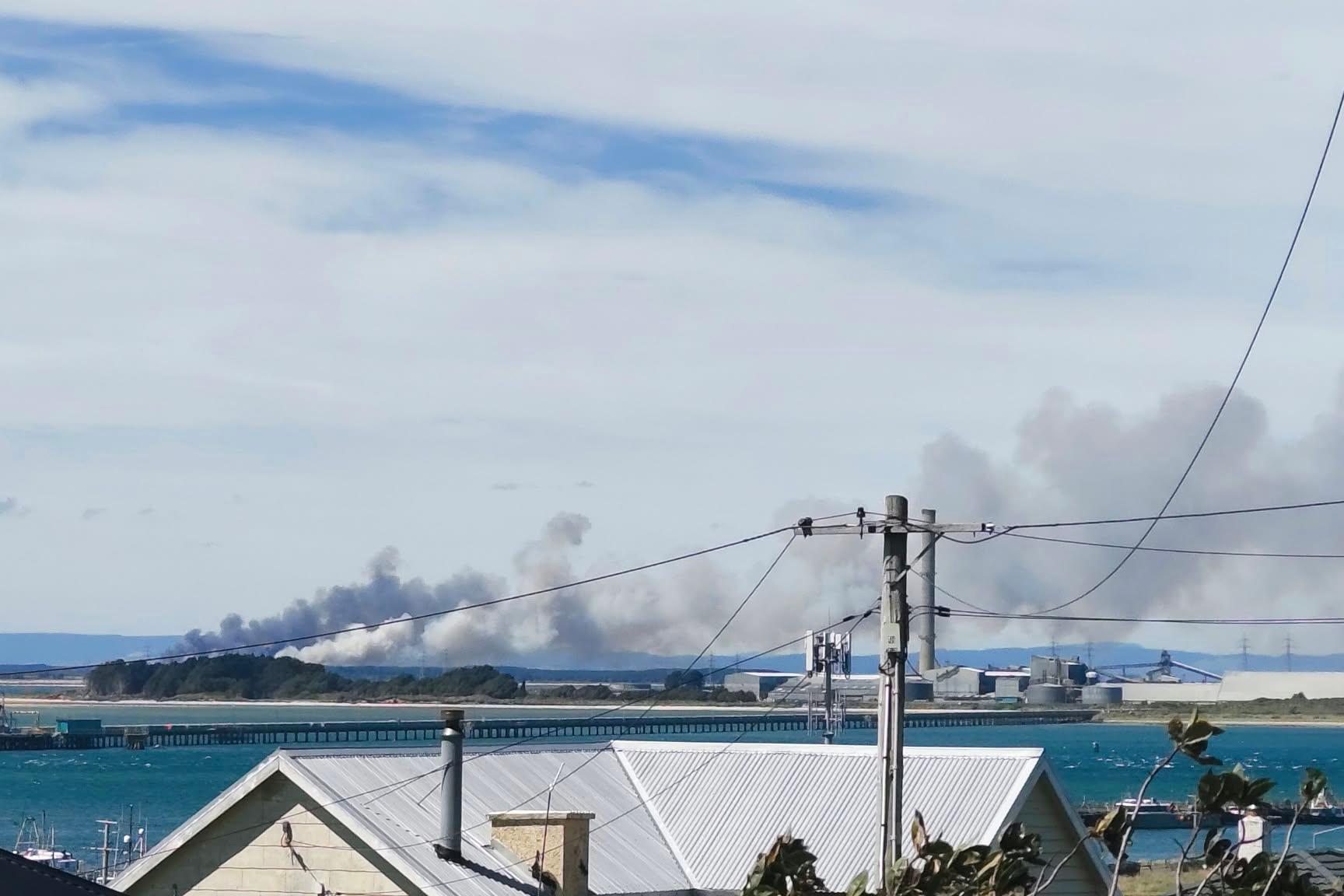
“After the last big and long fire, yet again during breeding season, conservation is getting hit, time and time again,” Bluff local Rita Baker said.
Worth a look

Woman, 33, Losing Weight on Mounjaro After FND Left Her on Mobility Scooter
In a column for The Sun, content creator Lynsey Macfadyen describes losing half her body weight after starting...

Latvia Coalition MP Petitions to Ban Russian, Belarusian Grain Transit
A petition calling for a complete ban on the transit of Belarusian and Russian grain through Latvia was...
SpaceX Launches 11,000 Pounds of Cargo to International Space Station
A SpaceX Falcon 9 lifted off at 10:47 a.m.

How a Daily ‘Switchboard’ Call Keeps Three Friends Connected Through Life’s Chaos
In a guest column for The Washington Post, author Emily Nemens describes how brief, routine phone calls during...