For the Wampanoag Nation, the 1621 harvest feast that became the Thanksgiving myth marked the beginning of a period of land loss, disease, and war that ended their freedom.
Every November, the familiar story resurfaces: Pilgrims and Wampanoag sharing turkey and gratitude in Plymouth. But the Wampanoag people who lived through that encounter, and their descendants, describe a far different reality — one of stolen food stores, desecrated graves, and a diplomatic alliance that collapsed into King Philip’s War by the 1670s, killing, enslaving, or displacing most Native people in southern New England.
Textbooks left out the encounter
Edward Winslow, a former governor of Plymouth Colony, wrote one of the only primary accounts in . His account makes clear the Wampanoag were not invited. They arrived as an armed force led by Massasoit after hearing musket fire and interpreting it as a threat. The Wampanoag joined the feast only after that tense standoff.
Winslow also recorded that the Pilgrims had stolen Native food supplies and dug up Native graves before Massasoit decided to offer aid. Mashpee Wampanoag spokesperson Steven Peters said Massasoit chose diplomacy over war.
How the myth took hold
The “friendly feast” narrative hardened in the mid-1800s alongside Manifest Destiny. Sarah Josepha Hale, editor of , linked the 1621 harvest to a national holiday in an 1865 editorial. President Abraham Lincoln declared Thanksgiving a national holiday in 1863, promoting what the National Archives call “a distinctly American origin story”. The tale spread through marketing, school curricula, and popular culture, crowding out Native perspectives.

Mashpee Wampanoag Tribe member Paula Peter wrote in that the modern holiday “ignores the scant details of the tense encounter, while it conjures up Hallmark images of happy Natives and Pilgrims feasting on a cornucopia of corn, pies, and meats, including a fully dressed roast turkey”.
A National Day of Mourning
Since 1970, the United American Indians of New England (UAINE) has gathered annually at Cole’s Hill in Plymouth to “honor Indigenous ancestors and Native resilience”. The tradition began when Frank James of the Wampanoag Tribe of Gay Head was silenced from delivering a speech at the 350th anniversary of the Mayflower’s arrival.
His undelivered words warned: “We, the Wampanoag, welcomed you, the white man, with open arms, little knowing that it was the beginning of the end, that before 50 years were to pass, the Wampanoag would no longer be a free people”.
UAINE describes the day as “a reminder of the genocide of millions of Native people, the theft of Native lands and the erasure of Native cultures” and “a day of remembrance and spiritual connection, as well as a protest against the racism and oppression that Indigenous people continue to experience worldwide”.
Duwamish tribe remains unrecognized despite grassroots support
Pearson’s grandmother, Cecile Hansen, has served as Duwamish chairwoman for 51 years. The tribe remains federally unrecognized, leaving it without the funding and services granted to recognized nations. A grassroots effort called Real Rent Duwamish invites Seattle residents to pay symbolic rent directly to the tribe.
Volunteer Jerome Hagen called it “a way for people to pay a symbolic rent to the tribe… the first people of this land, the Duwamish tribe, who’ve been here since time immemorial”.
Harvest festivals that predate the Pilgrims
Dennis Zotigh, North American Cultural Specialist at the National Museum of the American Indian, emphasized the diversity of over 700 tribes in what is now the United States. He said Native communities held harvest feasts throughout the year — celebrating buffalo, crops, or cranberries — long before 1621. The Wampanoag cranberry festival continues today. Zotigh noted the 1621 gathering may itself have drawn on these pre-existing Indigenous harvest traditions.
Zotigh also described the New England mourning observance: “The American Indian tribes of New England, each year, hold a day of mourning at a certain location near Plymouth Rock, where they remember all the things that have happened in history and that are related to what took place after the arrival of the Pilgrims”.
He added that the popular myth “kind of trivializes what actually was taking place surrounding the Thanksgiving… Land was being taken, lives were being taken, culture was being taken”.
The Mashpee Wampanoag Tribe, with approximately 3,200 enrolled citizens, secured a reservation declaration in 2015 for 150 acres in Mashpee and 170 acres in Taunton, while the Wampanoag Tribe of Gay Head (Aquinnah) maintains 901 enrolled citizens on Martha’s Vineyard.
Each tribe operates its own sovereign government and administers separate services and enrollment, meaning the “Nation” referenced in the article is not a single governing body but the collective peoplehood from which these two recognized nations descend.
Reframing the holiday
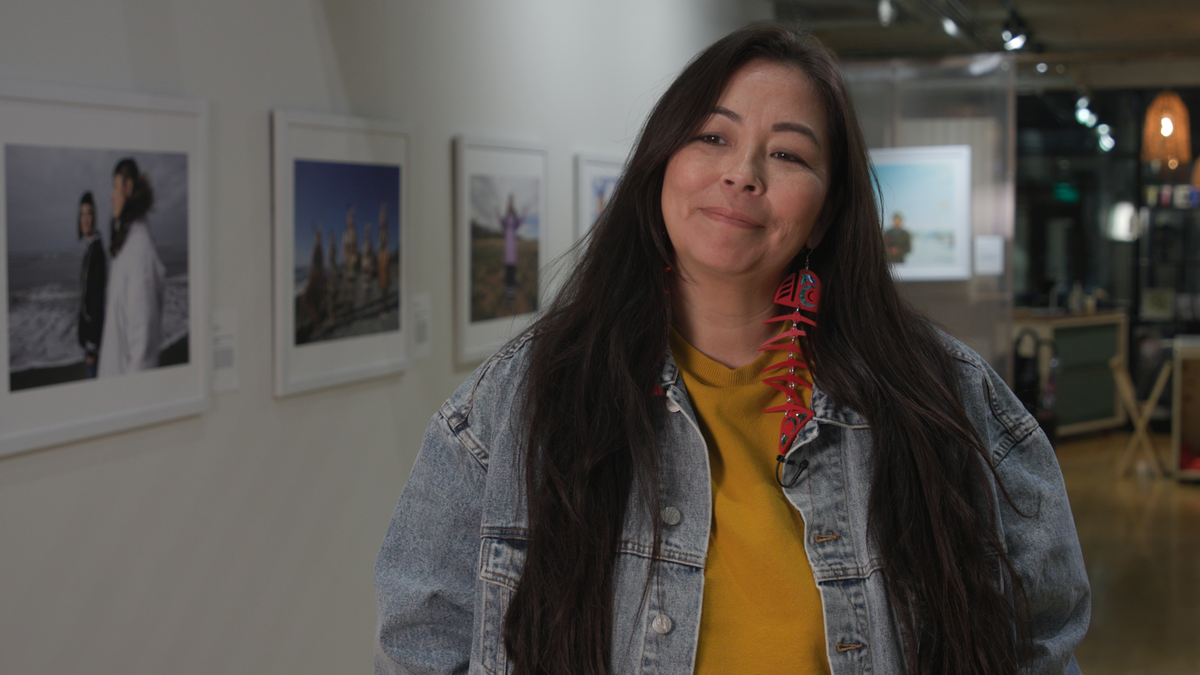
Documentarian and Tidelands Native Art Gallery owner Matika Wilbur said the goal is to push back against overconsumption and fast fashion and globalized food economies and learn how to be, in relationship with, and stewards of salmon and stewards of camas and stewards of huckleberries and stewards of fresh, clean water.
Worth a look

Denise Michelle Porter, Trenton School Bus Driver, Dies at 67
Denise Michelle Porter, known as Michelle and Niecy, died November 21 in Trenton, N.J., at 67, according to...

DA Announces No Criminal Charges in APSU Shoelace Noose Case; Students Protest
No criminal prosecution warranted under Tennessee law, Nash announced Nov. 25. Student responsible came forward to campus police...

UAlbany Defeats Union 96-68 Behind Roman’s 32 Points
UAlbany defeated Union 96-68 Wednesday at Broadview Center in Albany, N.Y., breaking the game open with a 25-point...
Detroit City Council Approves Rezoning to Prevent Kronos Expansion
“I believe that this is a question of fairness and integrity,” Matthew Moroun, owner of Crown Enterprises, told...