
Washington awarded $4.5 million to 43 farms for climate‑smart equipment — 14 times less than the $64 million growers requested.
The Climate Smart Farm Equipment Grant, backed by the state’s Climate Commitment Act, covers 75 percent of eligible costs up to $200,000. Small farms, veteran‑ or tribal‑owned operations, and those in high‑burden areas qualify for an 85 percent rate; WSDA reserved half the funds for those producers.
More than 500 applications poured in, seeking over $64 million — more than 14 times the available funding. “More than 500 farms asked for help, over 14 times what we could fund,” Sandison said. “Farmers are telling us they’re ready to do more.”
If every request had been funded, the equipment could have cut an estimated 1.9 million metric tons of carbon dioxide equivalent over 10 years. The 43 awarded projects are projected to reduce emissions by nearly 189,000 metric tons over the same period — a cost of less than $24 per metric ton, which WSDA calls some of the most cost‑effective Climate Commitment Act projects to date.
Awardees span 15 counties and nearly 160,000 acres producing wheat, potatoes, tree fruit, hay, vegetables, grapes, hops, beef, garlic, seed crops and more.
“It’s remarkable to see potato, wheat and tree fruit growers stand alongside conservation groups in support of one program,” Sandison said. “This shows what’s possible when agriculture and environmental interests work toward a shared goal.”
Dr. Dani Gelardi, WSDA Director of Conservation Policy and Research, added: “Farmers shouldn’t have to choose between protecting natural resources and running a profitable business. A no‑till drill or an electric pump can cut fuel costs and emissions at the same time. These grants help make that the easy choice.”
The Washington State Legislature approved the grant program in the 2026 supplemental capital budget after a broad coalition of agricultural and environmental organizations pushed for it. The coalition included The Nature Conservancy, Tilth Alliance and groups representing the state’s potato, onion, wheat and tree fruit growers, according to WSDA.
Funding for the grants comes from the Climate Commitment Act. The department said the program is designed to deliver public benefits from private lands by reducing greenhouse gas emissions while also building healthier soils, cleaner air and water, and stronger farm finances.
Claassen Ag Inc. in Garfield County was awarded $200,000 for a no‑till drill to reduce soil disturbance in canola and wheat, and Double M Farms Partnership in Benton County received $200,000 for a no‑till drill for wheat, the department’s recipient list shows. Duli Farms Inc. in Franklin County obtained $38,585 for a GPS guidance and rate‑control system plus precision irrigation and pumping to cut energy use.
Fields & Furrows Inc. in Adams County secured $122,229 for a wheat residue chopper, Garden Treasures LLC in Snohomish County received $17,001 for a one‑pass soil preparation implement, and Gunning Farms Inc. in Lincoln County was granted $80,738 for a residue chopper, all aimed at reducing soil disturbance.
The Washington State Department of Agriculture, a cabinet-level agency headed by Director Derek Sandison, administers the Climate Smart Farm Equipment Grant backed by the Climate Commitment Act.
WSDA’s Conservation Policy and Research unit, led by Director Dr. Dani Gelardi, framed the grants as a way for farmers to protect natural resources without sacrificing profitability.
The department has requested $9.2 million in the 2027–29 capital budget to continue the program; details appear on pages 32–41 of WSDA’s budget request. Final emissions estimates will be submitted through Climate Commitment Act reporting in fall 2027.

Atlanta Readers Name The Colonnade Top Comfort Food Spot in Facebook Poll
An informal Facebook poll drew more than 100 comments naming Atlanta comfort food staples, DiningOut - The Voice...

Virginia, Oregon Sue SpaceX Over Grok AI Generating Millions of Sexualized Images, Including Child Abuse Material
Virginia and Oregon sued SpaceX on Monday over Grok, the AI tool that generated millions of sexualized images...
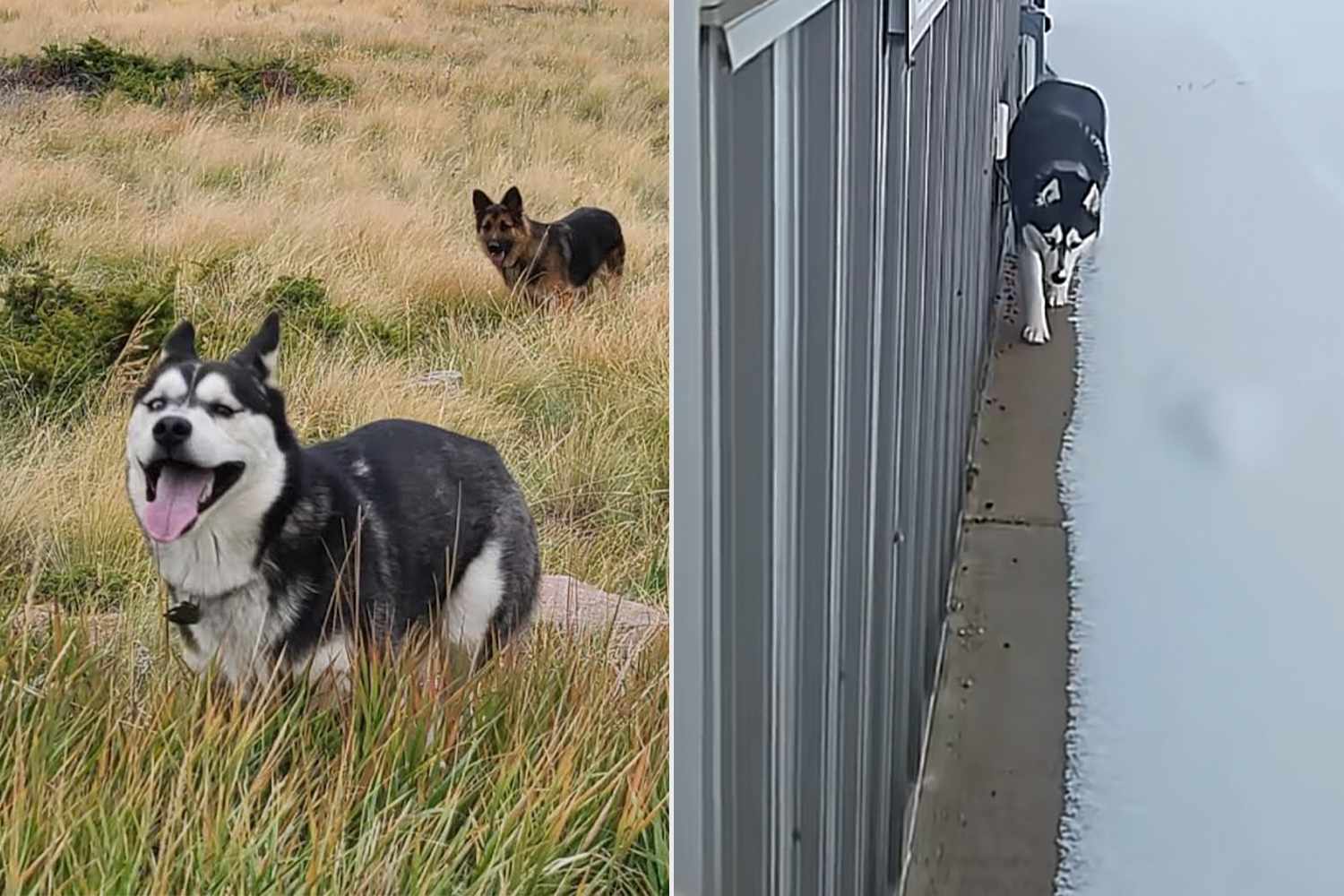
Vegas-Born Husky Still Refuses Colorado Snow After 6 Years
An 8-year-old husky born in Las Vegas still refuses to walk on snow after six years in Colorado,...

Three-Star CB John Catlin Flips from Arkansas to Texas
Texas has secured a commitment from three-star cornerback John Catlin of Denton Ryan High School, flipping the in-state...