
“I mean it’s incredible, it’s like being in downtown New York City only instead of a building, it’s trash,” said Mark Pitifer, a marketing administrator at Waterloo Containers, who noted that his company sits dwarfed by the massive landfill next door.
The Seneca Meadows landfill in northern New York has grown into a 350-acre mound of waste reaching roughly 300 feet in height, a scale comparable to the Statue of Liberty.
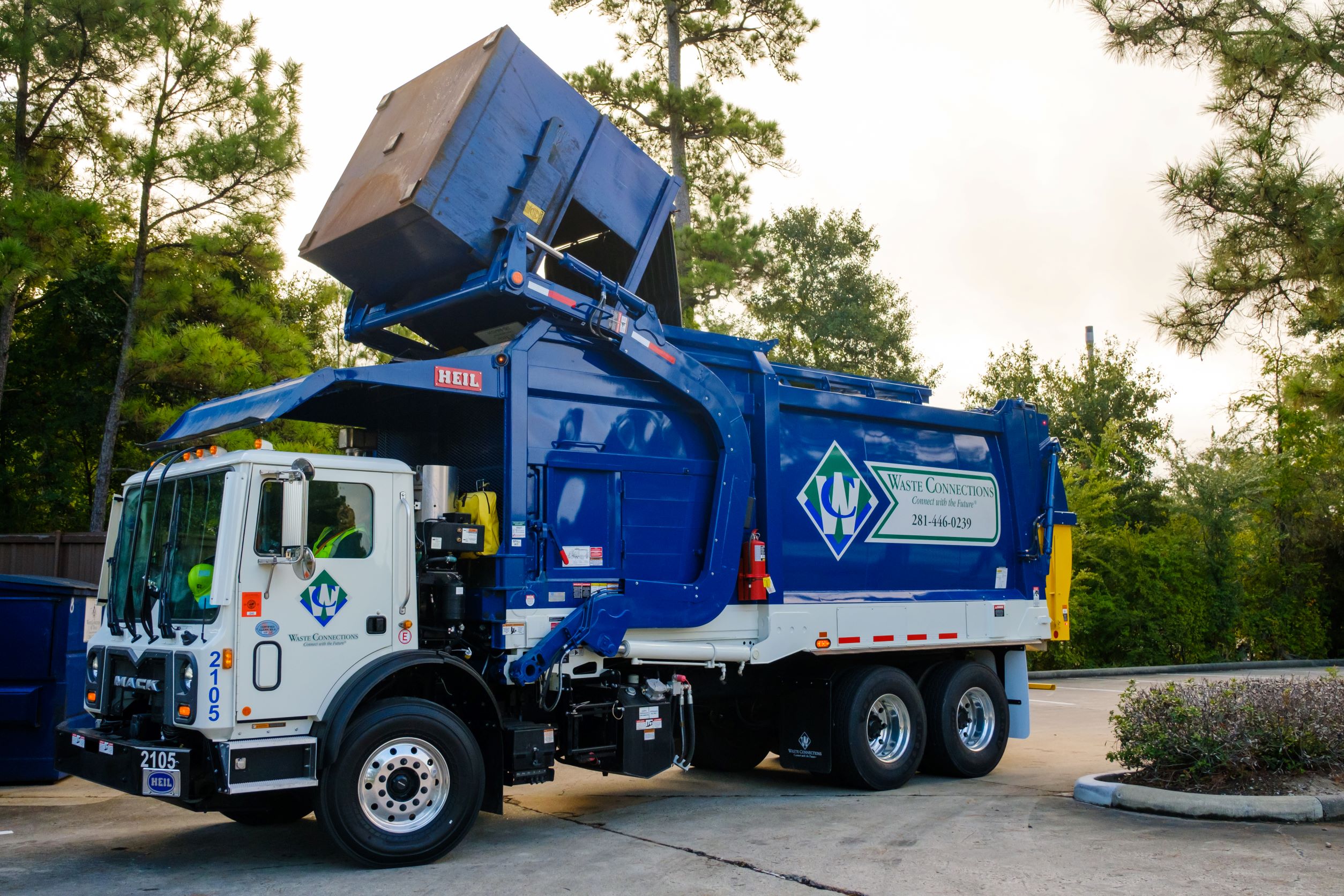
While local residents in Waterloo and Seneca Falls hoped the facility would close when its permit expired last year, the Texas-based operator, Waste Connections, has proposed an expansion that would add 47 acres of new disposal cells and increase the height of the heap by another 70 feet, according to the Guardian.
This push for growth comes as New York faces a looming waste crisis. The state is struggling to find long-term solutions for the massive volume of refuse generated by its growing population, particularly as regional capacity shrinks.
The environmental cost of convenience
The scale of the Seneca Meadows site is more than a visual eyesore; it has become an environmental concern. A study released last year using aircraft measurements identified the landfill as the largest source of methane, a potent greenhouse gas, in New York state, the Guardian reported.
Local advocates and lawmakers argue that the expansion poses immediate risks to the surrounding ecosystem and public health. Emily Gallagher, a Democratic member of the New York State Assembly who recently toured the site, expressed deep concern during a hearing on the state’s waste storage policies.
“We are at the precipice of a crisis,” said Emily Gallagher. “There is this huge mountain of trash that is off gassing almost 24 hours a day … contaminating the Finger Lakes, contaminating the groundwater.”
Gallagher suggested that the current system is sustained by intense lobbying from the plastics and fossil fuel industries, which she claims has stymied efforts to enforce stricter recycling measures. She estimated that roughly 80% of the material currently sitting in Seneca Meadows could be recycled rather than buried.
The debate highlights a fundamental tension between modern convenience and environmental reality. While New York City has implemented programs like curbside composting to manage organic matter, the sheer volume of waste remains staggering.
A shifting burden of waste
The logistics of New York’s trash disposal are becoming increasingly complex and distant. Seneca Meadows receives approximately 6,000 tons of trash daily, with 1,500 tons of that originating from New York City. Because the city has not hosted its own waste for decades, it must export its refuse to distant locations.
As regional landfills reach capacity, the distance trash must travel is expected to increase. A spokesperson for the city’s sanitation department told the Guardian that as capacity continues to shrink, the city will likely export trash to even further locations, noting that a commitment to rail export makes this more efficient than trucking.
| Metric | Value/Detail |
|---|---|
| Daily trash at Seneca Meadows | 6,000 tons |
| Daily NYC contribution to Seneca Meadows | 1,500 tons |
| Daily NYC total waste production | 12,000 tons |
| Estimated landfill capacity remaining (regional) | 16 to 25 years |
Waste Connections defends its operations on its website, stating the company is dedicated to environmental advancement and maintains an exemplary compliance record. The operator notes it utilizes a “double composite liner” and a system to capture landfill gas to generate electricity, asserting that its odor control equipment is effective based on air monitoring data.
However, for those living in the shadow of the mound, the official data does not match their daily experience. Yvonne Taylor, co-founder of the Seneca Lake Guardian environmental group, reported that residents frequently contact her regarding the impact on their quality of life.
“Residents routinely text me to say that they have had to remove their children from the nearby school because the smell had sickened them, or of ruined outdoor birthday parties and other gatherings,” Taylor told the Guardian.
Taylor argues that the solution lies in reducing the reliance on single-use materials like plastic grocery bags and shampoo bottles. She believes the state must address the source of the problem rather than simply moving the burden to new locations.
“Our philosophy is that we need to start somewhere, and that somewhere is with Seneca Meadows,” said Yvonne Taylor.
Vermont Pub and Brewery Owners Report Thefts in Final Week
“Climbing on the bars is not safe for you or for our team, and it's not something we...

Minnesota Gophers Beat Southern 91-61 Despite 17 Turnovers
Minnesota men's basketball continues to struggle with ball security despite a dominant 91-61 victory over Southern on Thursday...

Sonya Jaramillo Dies, According to French Funerals & Cremations
Sonya Jaramillo passes away at age 42 Sonya Jaramillo died on Saturday leaving behind a family and a...

Rosalía and Milo J Lead Major Wins at 27th Annual Latin Grammy Awards
Rosalía and Milo J dominated the 27th Annual Latin GRAMMY Awards in Las Vegas on Thursday. The ceremony...