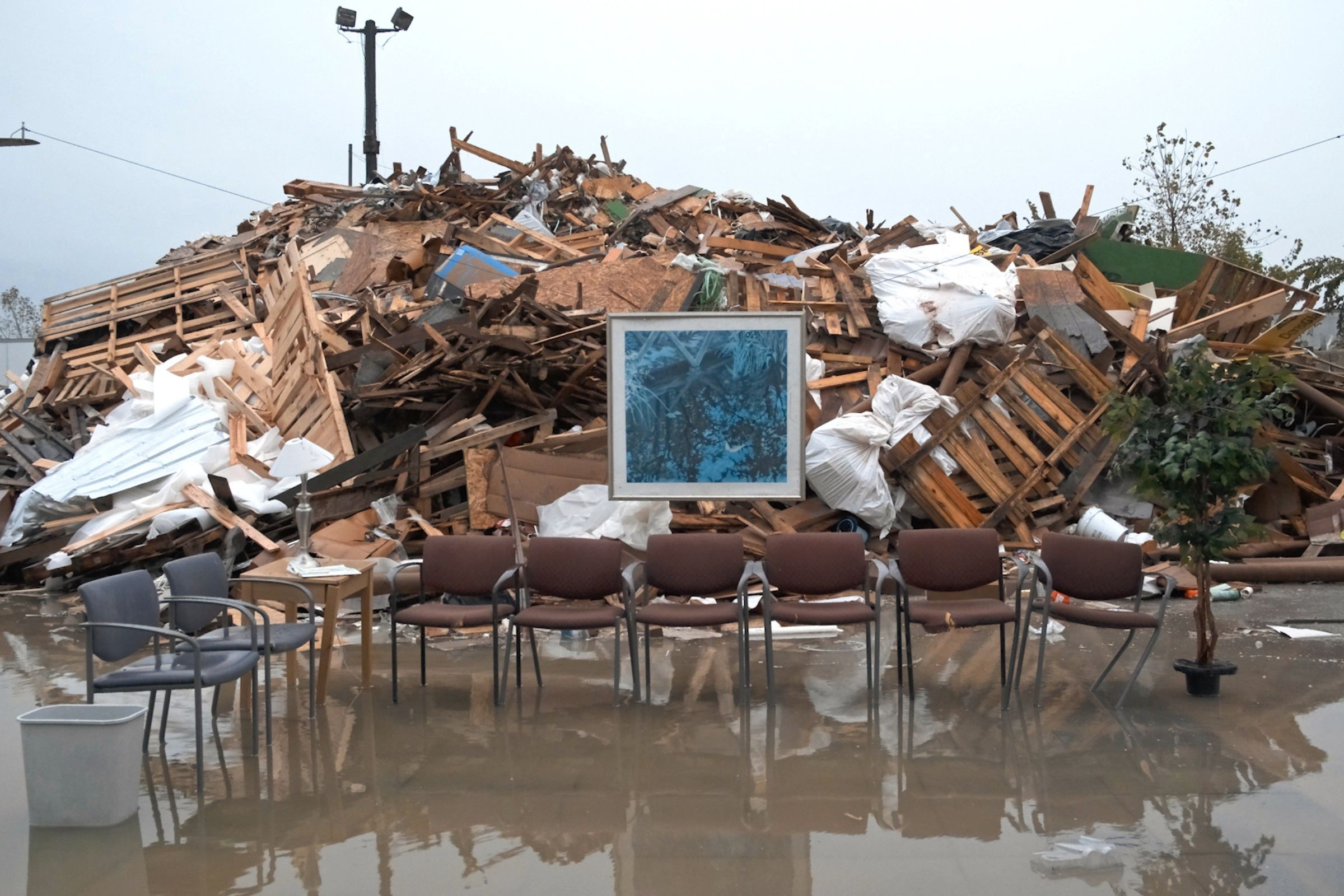
The Institute of Contemporary Art (ICA) at the University of Pennsylvania is currently hosting Waste Scenes: Speculation, Labor, and Artistic Production, an exhibition that examines the intersections of material disposal, human effort, and the creative economy.
The project brings together a group of artists and writers to explore how the physical remnants of our consumer culture mirror broader shifts in labor, class, and the environment.
The exhibition features work from a diverse roster of contributors, including Domenick Ammirati, Maia Chao, Billy Dufala, Gordon Hall, Josh Kline, and Fred Schmidt-Arenales. By centering the “waste stream” as a primary site of inquiry, the collective body of work asks visitors to reconsider the life cycles of the objects we discard and the invisible labor required to manage them.
For many of the featured artists, the concept of waste is not merely an environmental concern but a lens through which to scrutinize modern industry. Billy Dufala, for instance, draws on his experience as co-founder of RAIR (Recycled Artist in Residence), an organization that operates directly within the grounds of Revolution Recovery, a recycling facility in Northeast Philadelphia. This site-specific approach is central to his practice.

The relationship between art and industrial waste has been a long-standing focus for Dufala. In 2015, RAIR received Center support to present Live at the Dump, which utilized films and performances to bridge the gap between waste management and public consciousness. This history of engagement informs the current dialogue at the ICA, highlighting how the physical act of recycling intersects with artistic production.
“The project aims to increase public awareness of the waste stream and the role of art in shaping social and environmental consciousness.”
said the organizers regarding the broader mission of these collaborative efforts.
While some contributors focus on the material reality of the dump, others like Josh Kline address the digital and social debris of the 21st century. Kline’s work often scrutinizes the impact of automation, data collection, and artificial intelligence on the contemporary workforce.
By utilizing the very tools he critiques—such as deep fake software and 3D printing—Kline turns the mechanisms of productivity-enhancing technology back upon themselves to speculate on the future of labor.

The stakes of this inquiry are high, particularly for those in the labor force facing the encroaching pressures of automation and the erosion of job security. As noted in the exhibition materials, Kline’s practice is deeply concerned with how climate change, disease, and the weakening of democratic institutions uniquely affect those who make up the backbone of the economy.
For visitors, the exhibition serves as a reminder that the items we discard do not simply disappear. Instead, they enter a complex system of speculation and labor that dictates the shape of our future.
Whether through the lens of a recycling center or the digital architecture of a post-truth world, the artists gathered at the ICA suggest that our waste is, in many ways, the most honest artifact of our time.
Related reading

UN Regents Vote to Sell Property to Nebraska Medicine for Project Health
The University of Nebraska Board of Regents voted unanimously Friday to sell certain property that Nebraska Medicine uses...

No. 3 Louisville Travels 12 Hours to Alaska for Great Alaska Shootout
The University of Louisville women’s basketball team traded the comforts of home for a grueling 12-hour travel day...

Virginia Cavaliers Finish Third Behind Tennessee, North Carolina at Tennessee Invite, Official Site Says
Virginia left Knoxville with eight wins but a familiar problem: depth beat stars. The Cavaliers dominated the highlight...
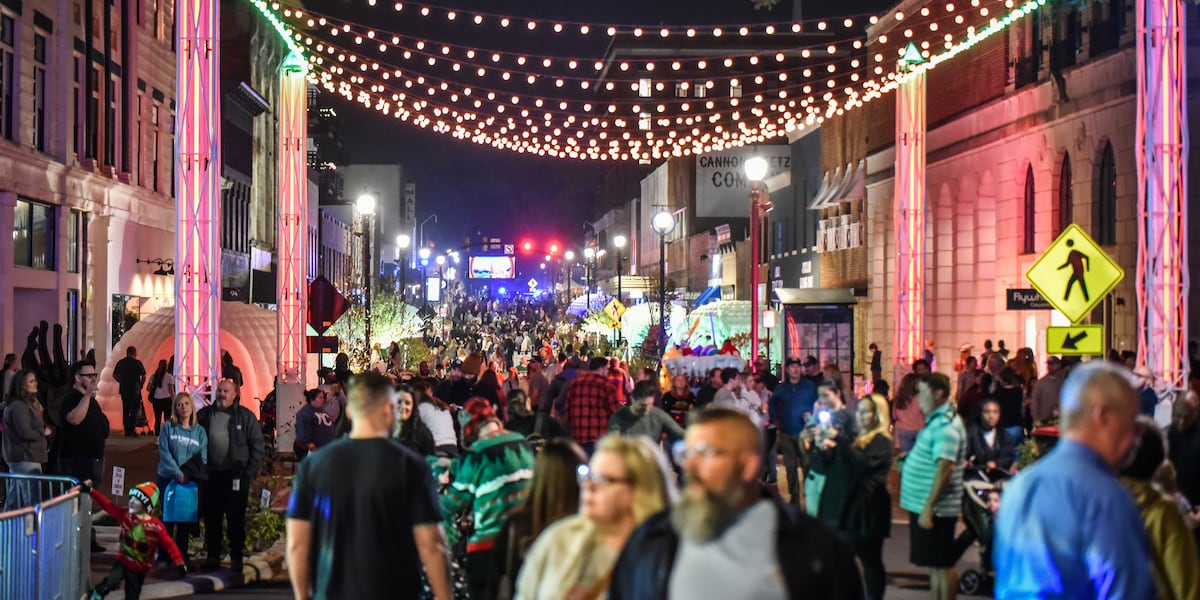
Concord Returns to Annual Tree Lighting One Year After Shooting Disrupted Celebration
Downtown Concord returned to its annual holiday tradition on Friday night, as thousands of residents gathered for the...