
West Ashley prepares for retail expansion as Ben Sawyer Bridge closes tonight
Drivers heading toward Sullivan’s Island should prepare for a detour tonight as the Ben Sawyer Bridge undergoes essential maintenance. The bridge will close to all vehicular traffic starting at 9 p.m. Monday and is expected to remain closed until 2 a.m. Tuesday. This work is part of an ongoing effort toward a permanent repair following a mechanical malfunction that has restricted the swing span to light traffic since Oct. 19. While the bridge is closed, marine openings will continue to operate on a modified schedule.
As residents navigate these temporary infrastructure hurdles, the landscape of West Ashley is shifting toward significant commercial growth. According to reporting from The Post and Courier, a wave of retail and dining developments is slated to transform the area surrounding West Ashley Circle and Bees Ferry Road starting next year. This expansion arrives as the local population grows, creating a localized demand for amenities that reduce the need for long commutes to other parts of the Lowcountry.
New dining and retail hubs coming to West Ashley
The planned developments represent a diverse mix of lifestyle and utility. The Shoppes at Bees Ferry is set to become a central mixed-use hub, combining retail spaces with new dining options. Within this expansion, several high-profile tenants have already been identified for “The Wedge” mixed-use development, including Aldi, Chase Bank, Dutch Bros Coffee, Panda Express, and Chipotle.
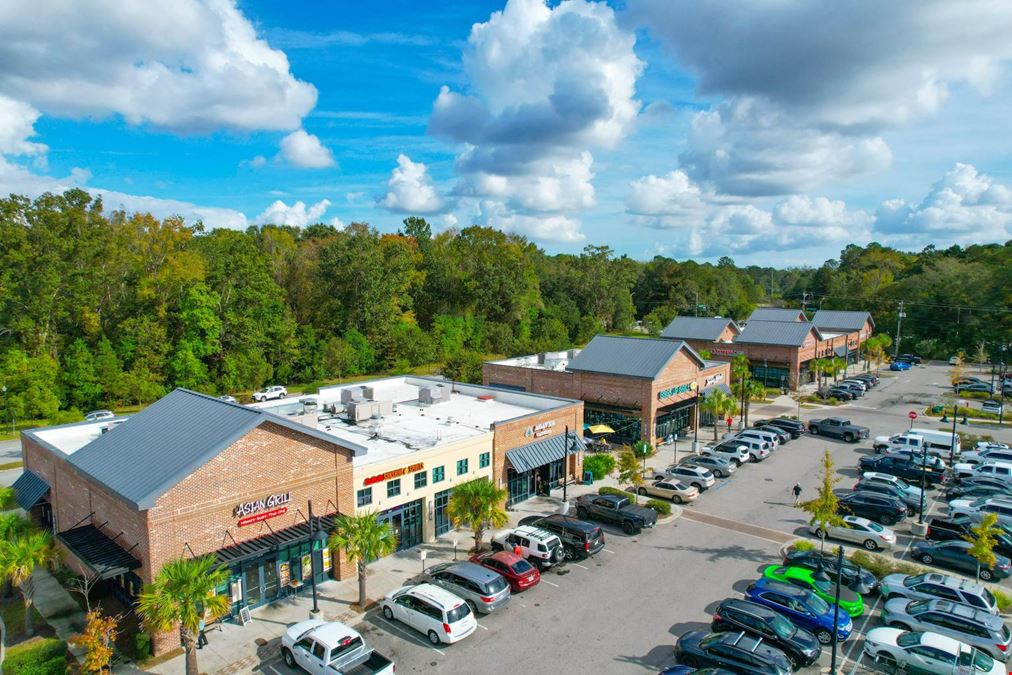
The entertainment and social scene in West Ashley is also set to expand. Bay Street Biergarten is scheduled to open its second location on West Ashley Circle in the spring. Looking further ahead to fall 2027, Iron & Oak Golf Club plans to debut a private indoor golf simulator experience. These projects signal a broader economic trend in the region, where suburban hubs are transitioning from purely residential zones into self-sustaining commercial centers.
South Carolina voters face high-stakes elections Tuesday
While West Ashley prepares for new storefronts, the state is bracing for a major political shift. South Carolina voters will head to the polls this Tuesday to decide the composition of the state government and the U.S. Congress. The ballot includes several high-profile races that could determine whether Democrats can break the current Republican control of the state’s legislative and federal seats.

Key contests include:
- U.S. Senate: Incumbent Republican Darline Graham faces Democrat Annie Andrews.
- 1st Congressional District: Republican Jenny Costa Honeycutt will compete against Democrat Nancy Lacore.
- State Constitutional Offices: Voters will also select representatives for attorney general, treasurer, and education superintendent.
Polls across the state will be open from 7 a.m. to 7 p.m. on Tuesday. The outcome of these races will likely set the policy direction for South Carolina’s infrastructure, education, and economic management for years to come.
Infrastructure and environmental challenges
The tension between growth and preservation remains a central theme in Charleston’s development. The recent mechanical issues with the Ben Sawyer Bridge highlight the ongoing necessity of maintaining aging coastal infrastructure. For those needing to reach Sullivan’s Island during the bridge closure, the Isle of Palms connector serves as the primary alternative route.
This need for maintenance is mirrored in the city’s broader struggle with flood mitigation. Historical data, such as the 1949 map created by Alderman Alfred O. Halsey, provides a stark warning about the city’s geography. The map illustrates that many areas currently built on filled tidal marsh and creeks—the very areas most prone to flooding today—were identified as vulnerable decades ago. Halsey himself noted that these sections would experience worsening subsidence and flooding over time. To combat this, the city is currently investing hundreds of millions of dollars into large-scale projects, including the Battery Extension and the Newmarket Creek Headwaters, to fortify these high-risk zones.
As the region grows through retail expansion and political realignment, the physical reality of its coastline continues to dictate the limits of that progress.
Worth a look

CNA Invites Olympia Residents to Discuss 2027 Neighborhood Priorities
Olympia residents have until Saturday to voice their specific community needs before the city begins planning for the...

SMU vs. Virginia Tech: ACC Showdown at Ford Stadium
SMU and Virginia Tech fight for ACC positioning in Friday night Dallas showdown The race for the top...

Erika Barnes Named Deputy Athletics Director for Utah Athletics
Erika Barnes joins Utah Athletics as Deputy Athletics Director Erika Barnes has been named the Deputy Athletics Director...

Dia’s Market & Deli to close Austin location after 10 years
Dia's Market & Deli, a neighborhood staple in Austin's Crestview area, is scheduled to close its doors at...