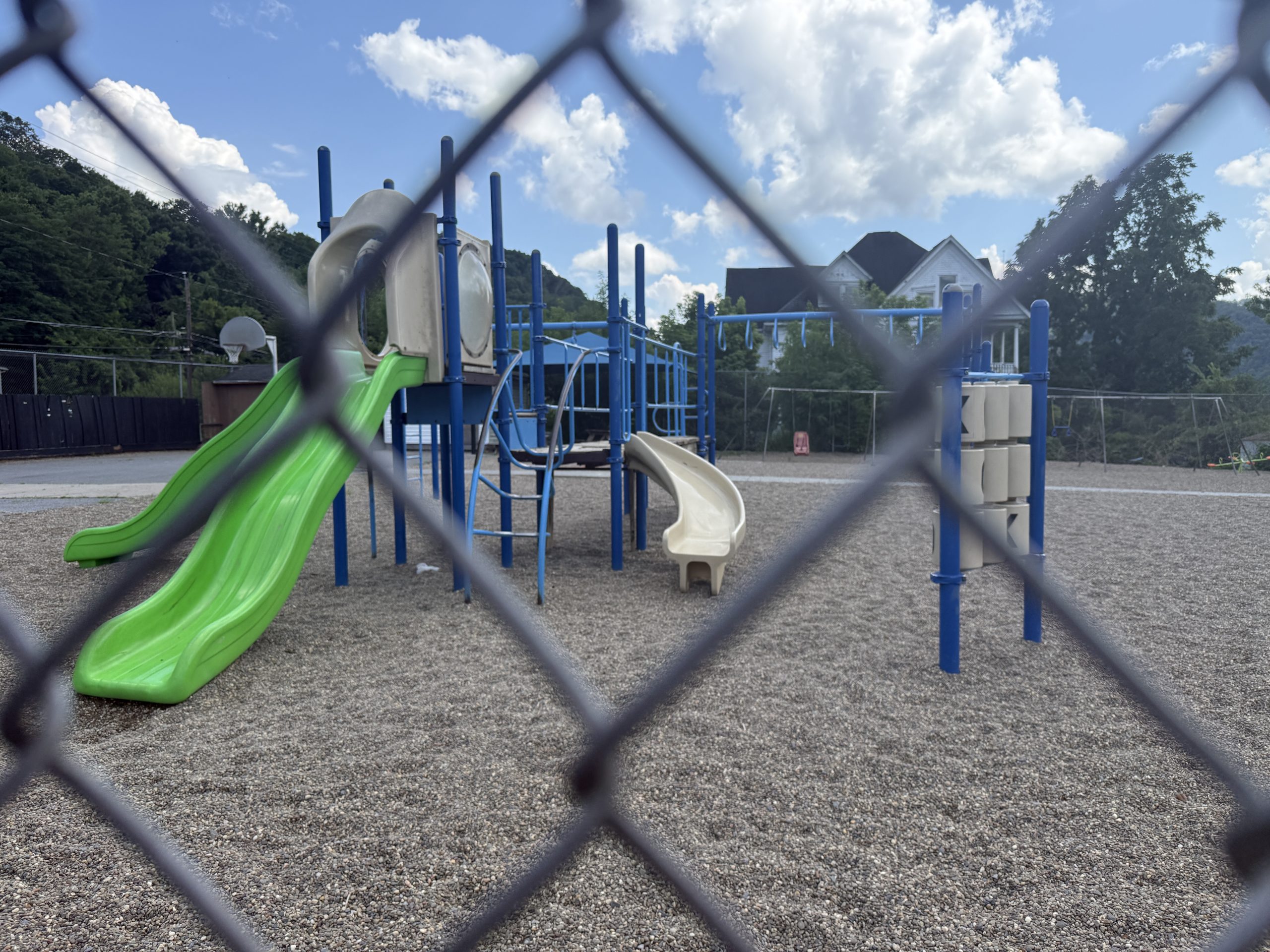
Voters in Jackson, Kanawha, Marshall, and Mason counties chose to raise their own property taxes on Tuesday to fund support staff and building repairs, stepping in as state lawmakers continue to delay overhauls to West Virginia’s public school funding formula. Mountain State Spotlight reported that local levy approvals came even as voters in Hardy and Summers counties rejected similar requests for the second time this year.
Fourteen counties asked voters to approve or continue local school levies during this year’s primary and general elections. In May, voters passed or renewed levies in Wetzel, Tyler, Monongalia, Morgan, Berkeley, Wirt, and Gilmer counties, while measures failed in Braxton, Hardy, and Summers counties. Tuesday’s successful votes unlocked local money for new and repaired vehicles, upgraded facilities, new textbooks, school security, and support staff. Meanwhile, a bond request in Wirt County to borrow money for high school renovations and a new bus garage failed.
The Funding Gap in Rural Districts
In Summers County, where nearly a quarter of residents live in poverty, voters have not passed a school levy in almost 50 years. The district does not receive additional money through the state’s funding formula, forcing its schools to rely on federal COVID-19 relief money until those funds ran out. Summers County Middle School closed in 2020.

The rejected Summers County levy would have raised about $4.5 million over four years to pay for staff, renovations, safety upgrades, and a high school resource officer. It also would have added an extra 5 to 20 cents per $100 of property tax.
In Hardy County, where the poverty rate sits at 14%, voters turned down a levy for the second time this year. Unlike 27 other states, including neighboring Virginia, West Virginia does not provide increased funding to counties with higher poverty rates.
Lawmakers Consider Funding Formula Changes Amid Enrollment Drops
Public schools across West Virginia face financial strain as student enrollment drops. Earlier this year, lawmakers hired researchers to evaluate how to support struggling districts. Those experts recommended increasing state funding for public schools, reducing spending on the HOPE scholarship, and allocating more money for children with special education needs and those living in poverty, who cost more to educate than the average child.
The West Virginia Center on Budget and Policy called for updates to the funding formula in 2025. Del. Joe Ellington, R-Mercer, introduced a bill to increase funding, but lawmakers debated until time ran out and the legislative session ended without changes. Voters reelected Ellington to the House on Tuesday, and Gov. Patrick Morrisey stated that school funding will be a major priority in next year’s legislative session.
In September, a sixth grader in Lincoln County filed a petition with the West Virginia Supreme Court of Appeals, arguing that the state’s public school funding system violates the Constitution. State officials asked the court to postpone the lawsuit until after the 2027 session ends, stating that legislators are already engaged in discussions.
Keep reading
Paul Wick’s tech fund outperforms 94% of peers over five years
Paul Wick's fund is up almost 55% in 2026, a figure that lands like a thunderclap when set...
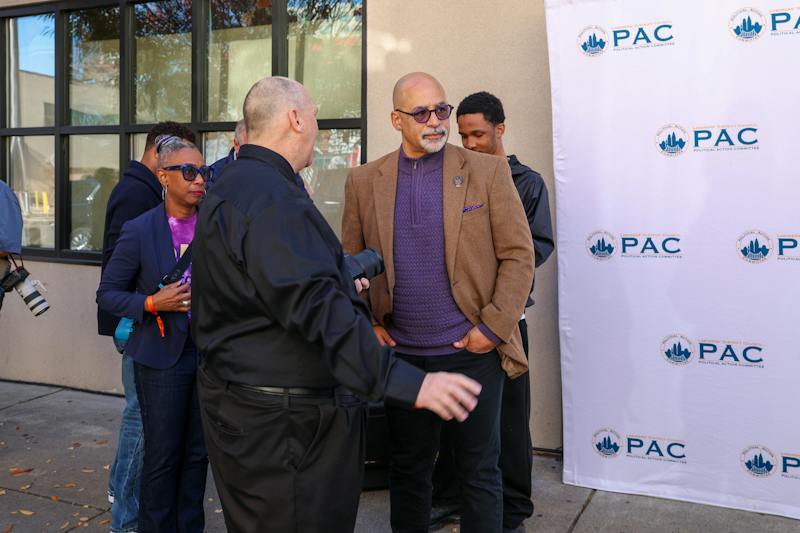
Chris Rabb tells Penn to be a better neighbor to West Philadelphia
State Rep. Chris Rabb is poised to take his seat in the United States House of Representatives next...

Oregon Democrats Gain Ground to Expand Legislative Supermajority
Oregon Democrats Poised to Expand Legislative Supermajority, Securing Tax Authority Without Republican Votes Oregon Democrats appeared on track...
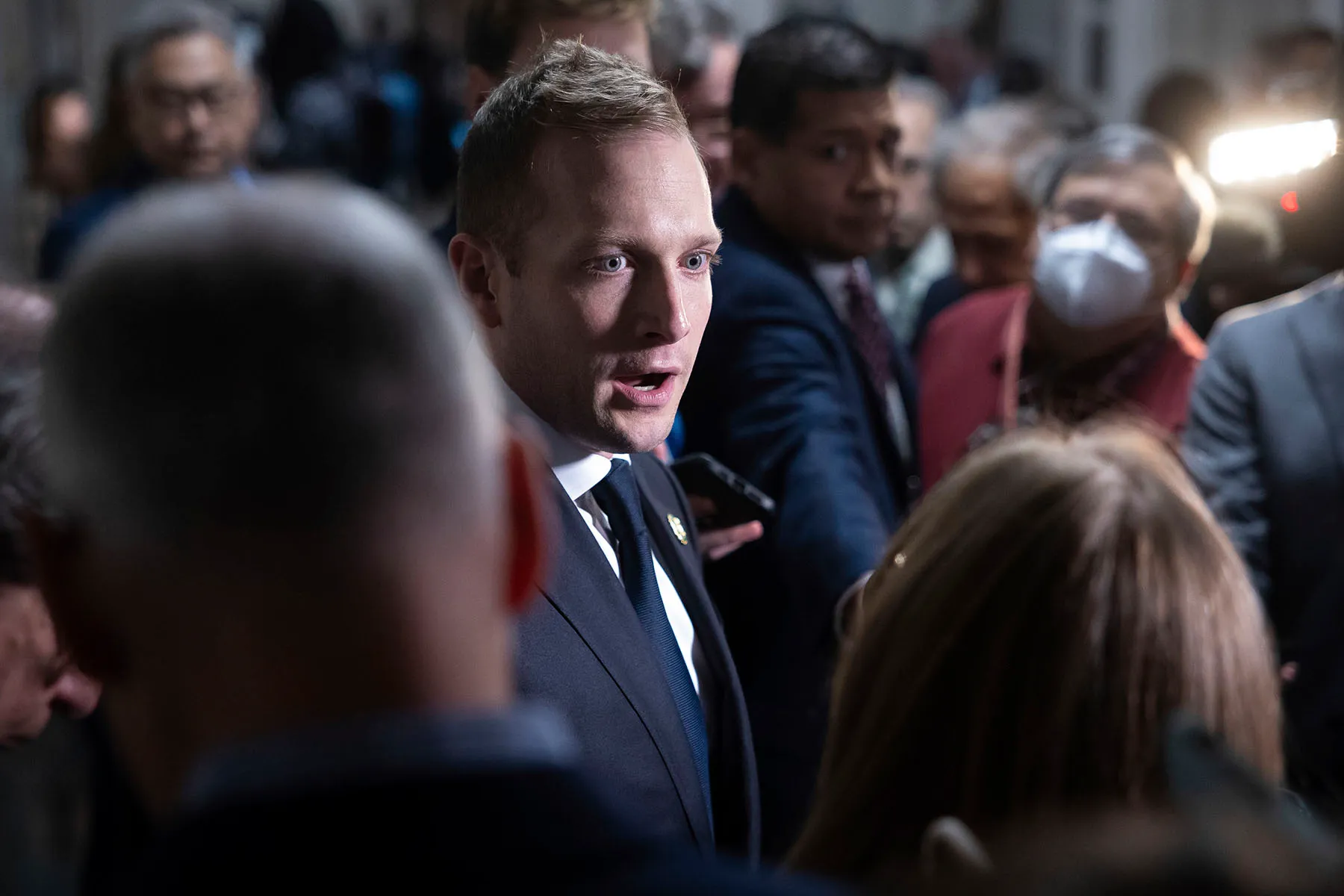
Brian Poindexter wins Ohio’s 7th district seat over Max Miller
A Suburban Rebuke in a Deep-Red District Incumbent Rep. Max Miller walked into Election Day expecting to secure...