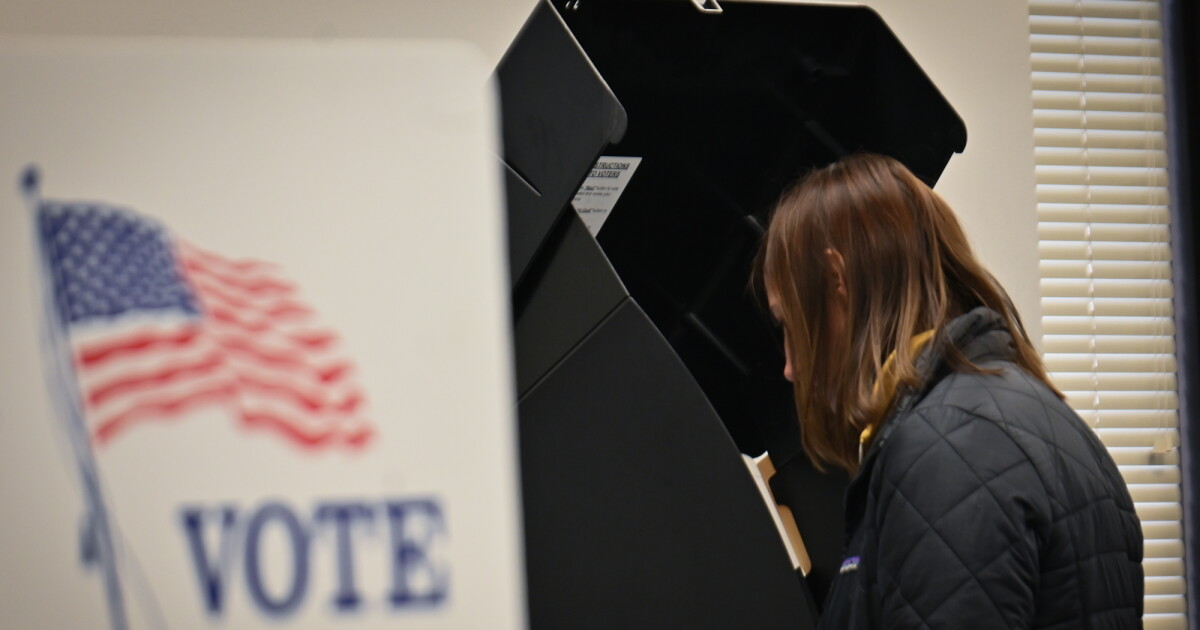
Kansas voters heading to the polls on November 3, 2026, will decide whether to alter the foundational language of the state constitution to explicitly state that only United States citizens may cast a ballot. As reported by The Wichita Eagle, the proposed amendment replaces affirmative phrasing regarding voter eligibility with a direct prohibition.
What the Amendment Actually Changes on the Ballot
The current text of the Kansas Constitution declares that every U.S. citizen who is at least 18 years old and resides in the voting area shall be deemed a qualified elector. The proposed amendment swaps that affirmative framing. It establishes that no person shall be deemed a qualified citizen elector unless they meet those strict criteria.
Supporters argue that modifying the text removes any ambiguity. Opponents contend the measure is entirely redundant. Existing state statutes and registration forms already require voters to swear under penalty of perjury that they are U.S. citizens.
The Historical Context of Kansas Voting Qualifications
Kansas has not always restricted the ballot exclusively to citizens. During the first 57 years of statehood, foreign-born individuals who declared an intention to become citizens retained voting rights. That era ended in 1918. Kansans voted nearly 3 to 1 to amend the constitution after a legislative resolution limited suffrage strictly to United States citizens.
That language has governed elections for over a century. Proponents of the current 2026 ballot initiative argue a modern update is necessary. State Representative Pat Proctor, a Republican from Leavenworth County and a candidate for Kansas Secretary of State who sponsored the amendment, spoke on KCUR’s Up to Date program regarding the measure.
“How many is too many? Every time a noncitizen votes they are cancelling out the vote of a Kansas voter,” Proctor told KCUR.
The Divide Over Redundancy and Future Proofing
National reporting from NPR indicated in 2025 that noncitizen voting remains exceptionally rare. Kansas Attorney General Kris Kobach has filed four lawsuits against noncitizens who allegedly voted illegally, including Joe Ceballos, the former mayor of Coldwater, according to KCUR reporting.
Critics argue the ballot measure solves a problem that does not exist while opening the door to potential complications. Davis Hammet, president of Loud Light Civic Action, pointed out the messaging risks confusing the electorate.
“If the amendment doesn’t actually change anything legally, what is it doing? Well, it’s giving something for politicians to talk about,” Hammet told KCUR.
Writing in an opinion column for The Topeka Capital-Journal, opponents also warned that shifting the constitutional qualification from a positive right to a negative prohibition could lay legal groundwork for future lawmakers to mandate stricter documentary proof requirements, reviving past bitter battles over voter registration documentation in the state.
Photo: kcur.orgProposed Kansas Constitutional Amendments on the Ballot in 2026
 News
 News
 News
 News