Tucked Along the Bluestone River, a West Virginia Mountain Town Preserves Its Gilded Age Architecture
When travelers picture historic destinations in West Virginia, Harpers Ferry usually claims the spotlight. Steeped in Civil War history and preserved by the National Park Service, that destination offers a classic portal to the past. Yet roughly three hours southwest, along a quiet bend of the Bluestone River, another community tells a entirely different story of American history, shaped not by military conflict, but by industrial extraction and sudden, monumental wealth.
Known historically as the “Town of Millionaires,” Bramwell provides a rare window into the late-nineteenth-century coal boom that transformed southern West Virginia.
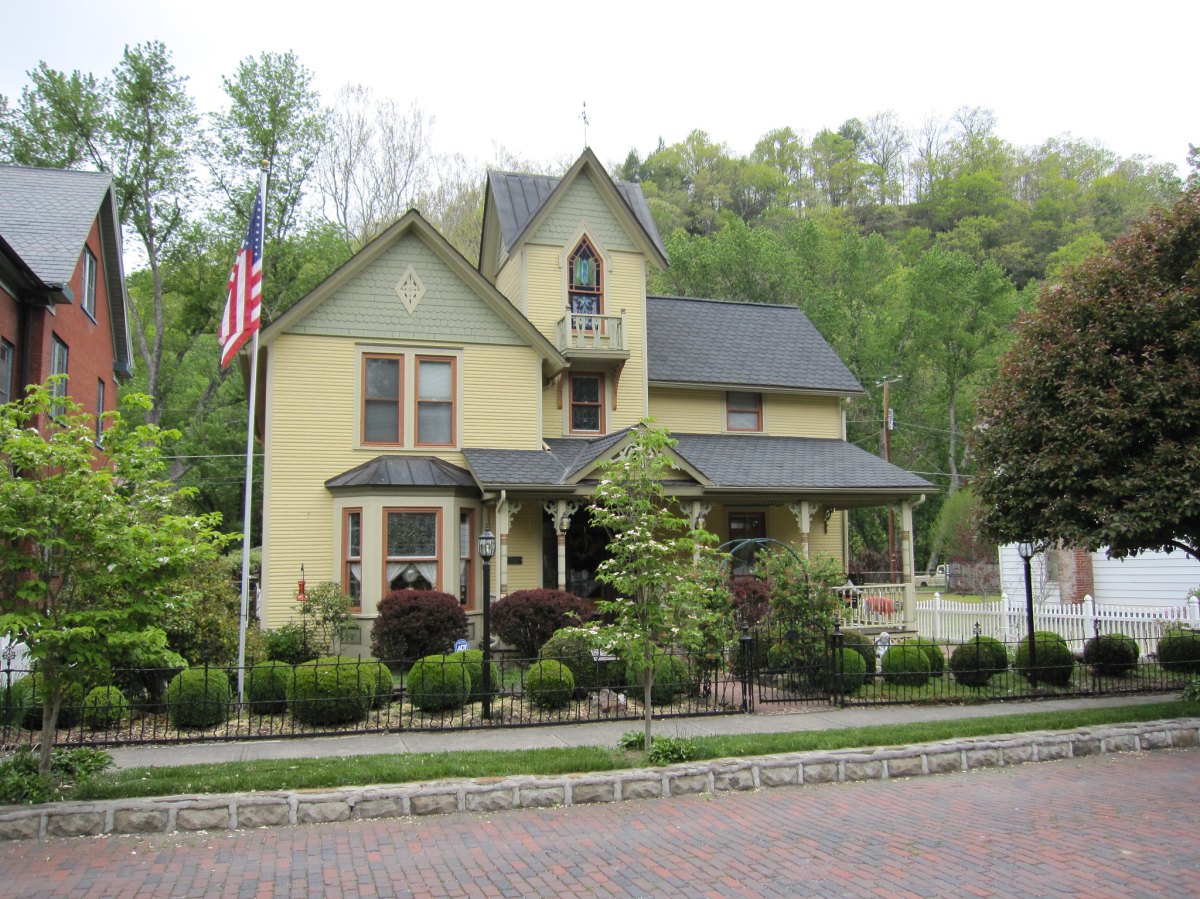
The scale of that ambition is still written across the local streetscape. In 1983, the Bramwell Historic District was officially added to the National Register of Historic Places, a designation that protected approximately 65 historic buildings constructed mostly between the 1880s and the early 1900s. Visitors walking the compact downtown area encounter a striking concentration of Victorian-era architecture, featuring ornate woodworking, steep and dramatic rooflines, and original stained glass windows.
From Modest Beginnings to the Pocahontas Coalfield Boom
The town’s evolution from a simple mountain settlement into an enclave of staggering affluence unfolded with remarkable speed. The journey through Bramwell’s architectural history fittingly begins at the Bramwell Town Hall, constructed in 1889 just a year after the municipality was officially incorporated. This straightforward structure stands as one of the oldest buildings in town, offering a glimpse of the modest community that existed before industrial capital flooded the valley.
The contrast between those early days and the peak of the boom is visible just up the slope. Perched on a hill overlooking the town center, the Goodwill House stands as a prime example of the Queen Anne-style mansions erected by prosperous mine operators. Featuring 17 rooms, the sprawling property showcases the architectural ambitions of residents who capitalized on the region’s rich coal deposits and the newly expanded railroad connections.
The compact nature of the town makes many of its notable sights accessible within a five-to-fifteen-minute walk from Main Street, though travelers should expect varying slopes near the hillside residences.
Navigating the Transition from Industry to Heritage Tourism
The immense prosperity that built Bramwell proved remarkably intense, yet ultimately short-lived. As railroad operations shifted and the broader coal industry underwent structural changes, the rapid growth that defined the turn of the century began to slow down. Unlike many industrial boomtowns that faced total abandonment or aggressive redevelopment when fortunes faded, Bramwell largely retained its architectural integrity as its population and footprint contracted.
Today, that preservation sustains a steady stream of day-trip visitors looking to experience a specific chapter of Appalachian history. A typical visit often begins at the Bramwell Depot and Coal Heritage Interpretive Center, providing essential context on the labor and economics that built the town, before moving on to local establishments like the Honeycomb Cafe.
For those planning a visit, checking with the Town of Bramwell or local event organizers remains crucial, particularly for travelers hoping to align their trip with seasonal home tours where selected historic properties open their doors to the public.
Frequently Asked Questions About Bramwell
What makes Bramwell unique compared to other historic West Virginia towns?
Unlike military sites such as Harpers Ferry, Bramwell’s historical significance stems directly from the Gilded Age coal mining industry. Its historic district preserves roughly 65 structures built between the 1880s and early 1900s, reflecting the wealth accumulated by operators of the Pocahontas Coalfield.

Can visitors go inside the historic mansions?
Regular daily tours inside private historic homes like the Goodwill House are generally not available. However, selected properties open their doors to the public during scheduled town events and seasonal historic-home tours, with dates and admission prices varying by event.
Is the town accessible for walking tours?
Yes. The historic district is relatively compact, allowing visitors to reach most major sights within a five- to fifteen-minute walk from the historic depot and designated parking areas along Main Street, though visitors should anticipate steeper terrain near hillside properties.
Worth a look

What Albany International (AIN) Said on Its Q3 Earnings Call – Yahoo Finance
Albany International reported record third-quarter revenue, lifted by a renegotiated helicopter contract and strong performance in its Engineered...

Through the boroughs: How the New York City Marathon became a citywide tradition … – amNY
The TCS New York City Marathon is celebrating its 50th year, marking a massive historical milestone for one...

How to Choose a Cosmetic Dentistry Provider in Albuquerque
Choosing a cosmetic dentistry provider in Albuquerque requires looking beyond promotional photographs to evaluate clinical experience, oral health...

The Advance Group has leased 93,728 square feet of industrial space at Port South in Carteret
The Advance Group has leased 93,728 square feet of industrial space at Port South in Carteret, consolidating its...