Missouri’s midterm election results have shifted the balance of power in Jefferson City, ending Republican supermajorities and signaling a voter mandate for economic relief. As financial anxiety over rising costs persists across the state, the new political landscape offers a critical window for policymakers to address trade, infrastructure, and technology oversight.
The recent election results represent more than just a partisan shift; they reflect a clear message from Missourians facing significant financial strain. While national markets have reacted with volatility to the election, the core concerns for Missouri’s families—grocery bills, utility costs, and property taxes—remain the primary drivers of the state’s political climate.
Who feels the economic pressure?
The frustration expressed at the ballot box is rooted in data collected well before Election Day. An August 2026 Saint Louis University/YouGov survey of 900 likely Missouri voters revealed that 69% of respondents were worried about affording health care.
Additionally, 66% expressed concern over the rising costs of groceries and gasoline, while 62% cited utility bills as a major stressor. Only 25% of those polled rated the state’s economy as good or excellent, underscoring a deep-seated economic anxiety that transcends party lines.
This dissatisfaction is compounded by global instability. The ongoing war with Iran has continued to exert upward pressure on energy markets and transportation costs. These international tensions have direct consequences for Missouri farmers and small businesses, turning foreign policy into a domestic economic issue that lawmakers in Washington and Jefferson City can no longer ignore.
Can trade policies offer relief?
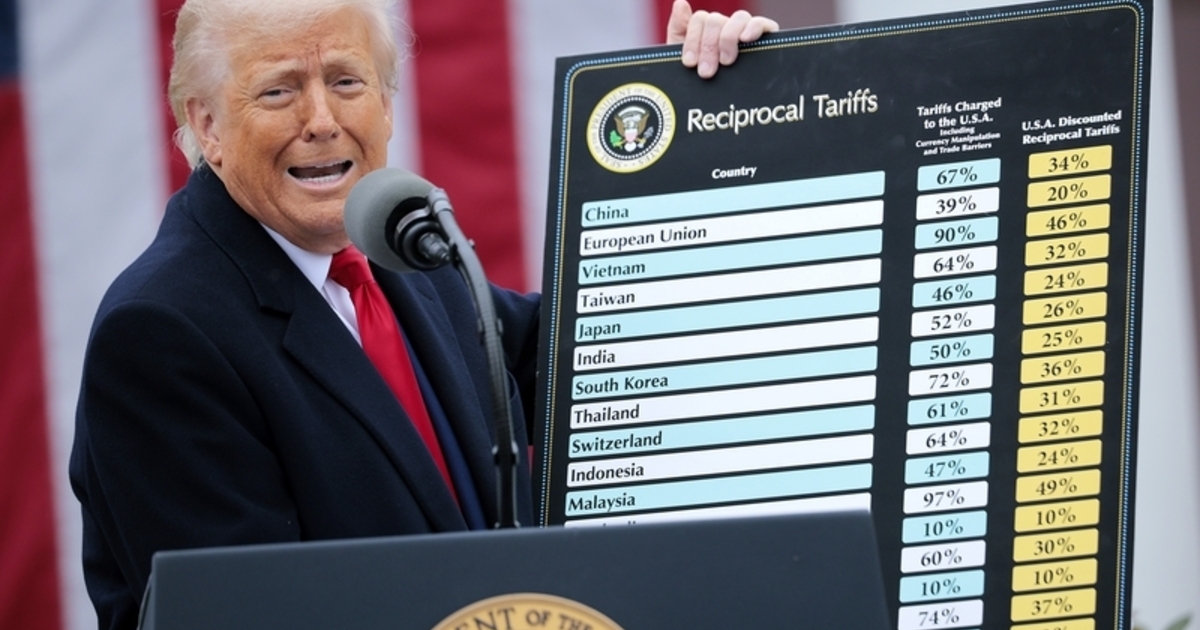
The new political balance in Congress provides an opportunity to rethink the impact of current tariffs on the state’s economy. While proponents argue that tariffs protect domestic production, Missouri’s manufacturers—who rely on tightly integrated North American supply chains—often bear the brunt of these costs.
The challenge for the new Congress is to balance national trade goals with the reality of how these measures influence the bottom line for local businesses.
For Missouri’s agricultural sector, the need for predictability is paramount. Farmers rely heavily on global markets to export soybeans, corn, and livestock. When trade disputes lead to retaliatory measures, the resulting instability makes it difficult for producers to plan beyond a single growing season. Government assistance serves as a temporary buffer, but it cannot replace the stable, long-term access to international markets that farmers require to remain competitive.
Who benefits from data center expansion?
Technological development has become a flashpoint for Missouri voters, particularly regarding the construction of large-scale data centers. The August SLU/YouGov poll found that 68% of likely voters opposed new data centers in their communities, while only 17% supported them. This opposition is notable for its consistency across partisan affiliations.
While these projects promise capital investment and potential tax revenue, they also demand massive amounts of electricity and water, often requiring significant infrastructure improvements. The concern among the public is whether these benefits justify the long-term financial obligations placed on local communities.
“Attracting technology investment should not require communities to accept financial obligations without adequate transparency and accountability.”
argued the analysis.
As artificial intelligence continues to reshape the economy, the focus must shift toward ensuring that innovation actually raises living standards. This includes preparing the workforce for shifts in job availability and ensuring that small businesses are not left behind as larger firms integrate new technology. The mandate for policymakers is clear: they must prioritize policies that deliver tangible economic improvements for families rather than focusing on political gridlock.
Keep reading

Crystal Palace Sacked Manager Pierre Sage After Poor Start
Crystal Palace have sacked manager Pierre Sage after less than five months in charge, Yahoo Sports reported. The...

Columbus Startup LWNN Launches Prelay to Help Outdoor Contractors Dispatch Crews Around
Matt Simmons is launching Prelay, a weather decision service designed to help outdoor contractors decide whether to dispatch...

UAlbany Study Finds Regulatory Barriers Limit Dental Hygiene Access
State laws and regulations governing dental hygienists can limit where and how they practice, restricting patient access to...
UAlbany Study Says Regulatory Barriers Limit Dental Hygiene Access
State laws restricting dental hygienists from practicing independently limit preventive care access for underserved communities, according to a...