
“The next Minneapolis police chief will be judged by a simple standard: whether people can call for help, receive it in time and be treated with dignity when it arrives,” Jamal Osman, vice president of the Minneapolis City Council, wrote in an opinion piece reported by the Star Tribune.
Osman’s words frame the high-stakes decision currently facing the Minneapolis City Council. Mayor Jacob Frey has officially nominated Interim Chief Bill Peterson to take the permanent role of police chief, a move that follows a national search process intended to find a leader capable of advancing critical reforms and strengthening community trust. The nomination moves the city toward a decisive moment in its public safety strategy, as the council prepares to weigh Peterson’s decades of internal experience against the specific, often urgent, demands of a diverse and scrutinized citizenry.
The stakes for this appointment extend far beyond administrative continuity. For many Minneapolis residents, the transition from interim to permanent leadership represents a test of whether the city can bridge the gap between police operations and community expectations. According to the Star Tribune, community members expressed a desire for a department that distinguishes between vulnerability and criminality—focusing on drug traffickers and exploiters while working alongside Native families and organizations rather than criminalizing those struggling with addiction or homelessness.
The professional record of Bill Peterson
Peterson is a 30-year veteran of the Minneapolis Police Department (MPD) whose career spans a wide array of specialized roles. According to official information from the City of Minneapolis, his experience includes serving as an inspector of the First Precinct, a robbery investigator in the Violent Crimes Investigations Division, and a leader within the Special Operations Division.
𝐌𝐈𝐍𝐍𝐄𝐀𝐏𝐎𝐋𝐈𝐒 𝐏𝐎𝐋𝐈𝐂𝐄 𝐂𝐇𝐈𝐄𝐅 𝐁𝐑𝐈𝐀𝐍 𝐎’𝐇𝐀𝐑𝐀 𝐑𝐄𝐒𝐈𝐆𝐍𝐄𝐃 𝐀𝐅𝐓𝐄𝐑 𝐀 𝐏𝐑𝐎𝐁𝐄 𝐅𝐎𝐔𝐍𝐃 𝐇𝐄 𝐃𝐄𝐋𝐄𝐓𝐄𝐃 𝐄𝐕𝐈𝐃𝐄𝐍𝐂𝐄 𝐓𝐎 𝐂𝐎𝐕𝐄𝐑 𝐔𝐏 𝐇𝐈𝐒 𝐂𝐎𝐍𝐃𝐔𝐂𝐓 Minneapolis Police Chief Brian O’Hara resigned today rather than face… pic.twitter.com/AzK5E1fXyI
His tenure has coincided with several of the city’s most significant challenges. Peterson has helped lead responses to major incidents, including the North Side tornado, the I-35W bridge collapse, and large-scale public safety operations such as Super Bowl LII. Notably, while overseeing Pre-Service Training, he developed the department’s first department-wide Crisis Intervention Training (CIT) program. This specific achievement is a focal point for Council members like Osman, who intends to ask Peterson what he learned from that program and how he plans to strengthen the department’s response to individuals in crisis.
The city’s selection process for this role was extensive. The City of Minneapolis reported that the search engaged residents, law enforcement, and labor representatives through multiple listening sessions. The final selection involved two distinct panels: a Community Panel featuring leaders such as former Minneapolis City Council President Andrea Jenkins, and a Public Safety & Law Enforcement Panel including Hennepin County Sheriff Dawanna Witt.
Community expectations and the path to confirmation
While Peterson’s internal rise is backed by a deep institutional knowledge, the nomination faces scrutiny regarding how that experience translates into community-based trust. Osman noted that during meetings at the Minneapolis American Indian Center, neighbors raised specific concerns regarding the safety of Native women, the impact of drug activity along Franklin Avenue, and the safety of transgender residents. There is a palpable tension between those calling for more proactive policing and those advocating for specialized, community-based responses.
The economic and social stability of Minneapolis neighborhoods often hinges on the reliability of these emergency responses. For instance, Osman highlighted the need for more concrete leadership regarding domestic violence, noting that residents have reported delayed responses and a lack of sustained help for survivors. He emphasized that the next chief must not only manage officers but also support investigators and work effectively with advocacy groups to ensure reports of abuse are taken seriously.
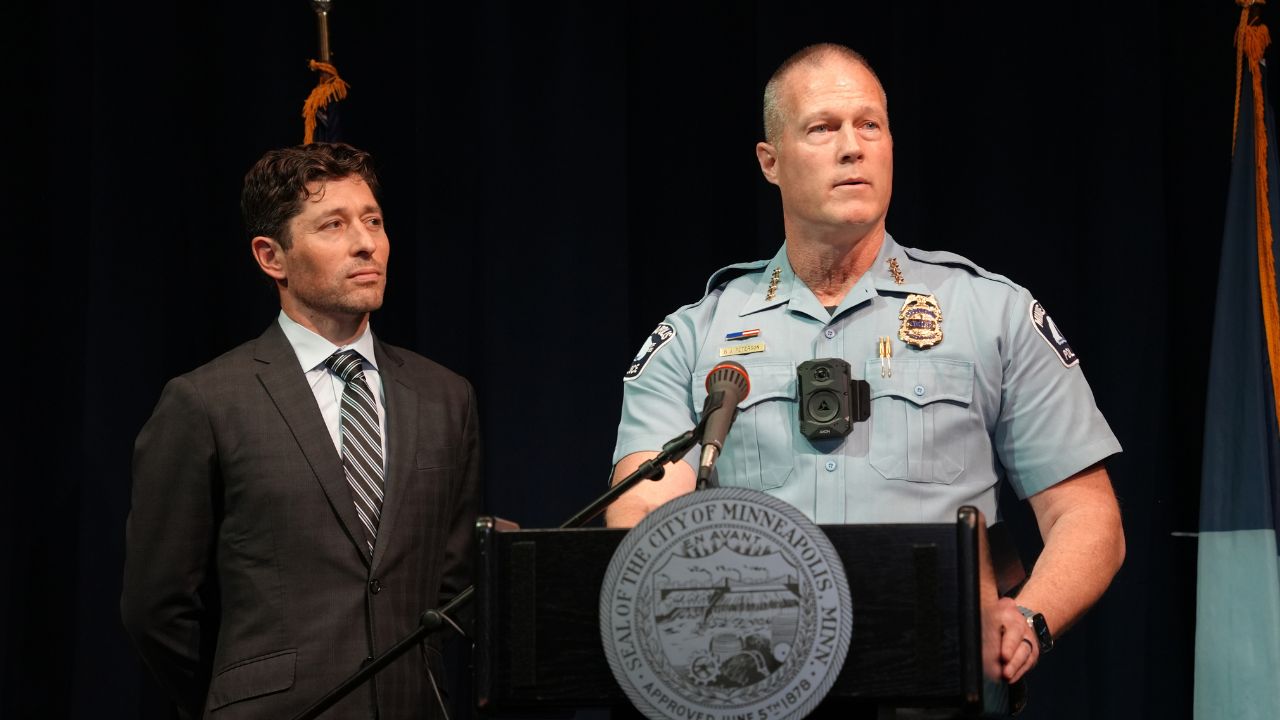
The debate also touches on the cultural competence of the force. Somali and other immigrant communities have raised questions about whether they feel respected and safe when calling local police. For Peterson, the challenge lies in leveraging his experience—including his work on the design of the new First Precinct facility—to build relationships across these fractured lines before the next major crisis occurs.
The Minneapolis City Council is tasked with both the formal confirmation of the appointment and the ongoing oversight of the department’s performance. The decision will serve as a signal to the community about whether the city is prioritizing the “calls answered” and the “promises kept” over mere administrative stability.
The Minneapolis City Council is scheduled to hold a public hearing regarding the appointment of Bill Peterson on Wednesday, Nov. 4.
Keep reading

Wyoming Air National Guard Conducts Sentry Aloha 26-1 Training
Wyoming Air National Guard Airmen Deploy to Hawaii for Sentry Aloha 26-1 Airmen assigned to the 153rd Airlift...

Oklahoma State must beat Colorado to keep Big 12 Tournament hopes alive
The Cowgirls face a steep climb in Boulder Oklahoma State enters the final stretch of the 2026 regular...

Richmond Pickle Party 2026: A Guide to the Inaugural Jackson Ward Festival
Richmond launches inaugural pickle festival in Jackson Ward Richmond is preparing for a weekend of briny celebrations as...

Escaped Tennessee Murder Convict Jacob Morley Recaptured in Missouri
Jacob Morley recaptured in Missouri after week-long manhunt Jacob Allen Morley, the convicted murderer who escaped from a...