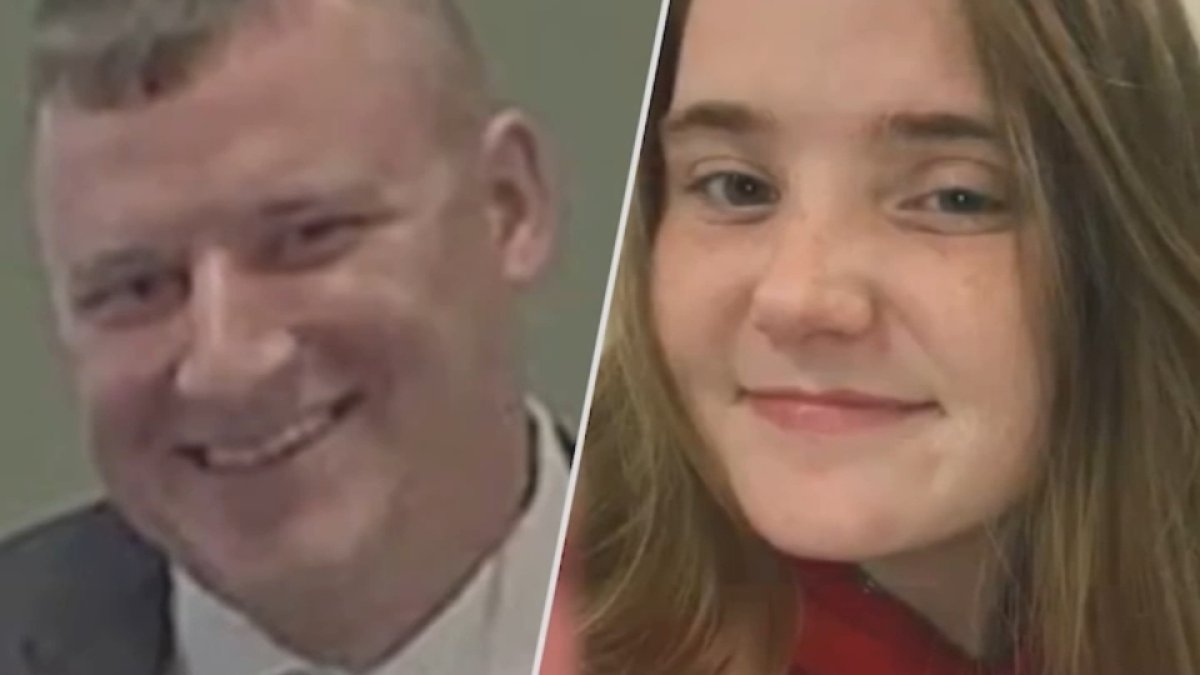
Forensic experts testify in the Matthew Farwell murder trial
DNA and forensic anthropology experts provided critical testimony Tuesday in the trial of Matthew Farwell, a former Stoughton police officer accused of killing 23-year-old Sandra Birchmore and staging the scene to look like a suicide, NBC Boston reported.
The proceedings focused on two central pillars of the prosecution’s case: the physical cause of death and the integrity of the biological evidence collected at the scene. While prosecutors allege Farwell strangled Birchmore to conceal a sexual relationship that began when she was a minor, the defense has centered its strategy on introducing reasonable doubt through technical forensic disputes and potential evidence contamination.
The trial comes as the legal teams prepare for the final stages of the case. According to wcvb.com, the judge indicated that the defense could rest its case on Wednesday, with no court scheduled for Thursday and closing arguments expected to begin on Friday.
The debate over the fractured hyoid bone
A major point of contention involves the hyoid bone, a small U-shaped structure in the neck. Its condition is central to determining whether Birchmore died by suicide through hanging or by homicidal strangulation. Dr. Angi Christensen, a former FBI forensic anthropologist, testified regarding her evaluation of the bone, which was requested by the FBI, according to NBC Boston.
The trial of a former police officer accused of killing his young lover five years ago in her suburban Boston apartment opened Friday with two vastly different accounts of Sandra Birchmore's final days. https://t.co/HWUw5hC7XO
Using CT scans to examine the bone through surrounding soft tissue, Christensen identified a single fracture on the right side of the U-shaped bone. She noted that while there is no established force required to break a hyoid bone, such fractures are less common in younger individuals and more frequent in older populations. Christensen identified the fracture as occurring around the time of death, noting that bone conditions can persist for varying lengths of time depending on how a body is preserved.
The defense has used this biological reality to challenge the prosecution’s narrative. WCVB reported that Dr. Heather Garvin, a board-certified forensic anthropologist, testified that while peer-reviewed studies show the hyoid bone can break during hangings, there is no conclusive link between the two. The defense highlighted studies suggesting that approximately 30% of people under the age of 40 suffer hyoid fractures in suicide by hanging. Conversely, prosecutors focused on studies where victims died in the specific seated position in which Birchmore was found, noting that in those cases, only 20% experienced a fracture, and younger people are generally half as likely to suffer one.
Challenges to DNA integrity and evidence collection
The defense also sought to undermine the biological evidence linking Farwell to the scene. Dr. Max Noureddine, a DNA forensic expert for the defense, testified about the potential for contamination and the complexity of the samples found during the investigation, according to WHDH.
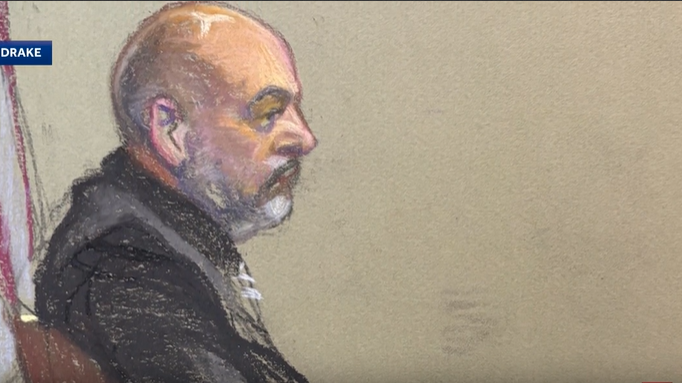
Noureddine raised several concerns regarding the Massachusetts State Police lab’s methodology:
- He questioned the interpretation of DNA mixtures found in the samples.
- He noted that many test results for seminal fluid were inconclusive.
- He pointed out that DNA found on a ligature near Birchmore was not tested for skin cell collection, characterizing the amount of Matthew Farwell’s DNA on that strap as “very small,” a claim the prosecution disputed, WCVB reported.
- He highlighted that the lab did not test the DNA of William Farwell, Matthew’s twin brother, who previously testified to having a sexual relationship with Birchmore.
Legal analyst Martha Coakley told WCVB that the defense appears to be “picking away at their experts” to create doubt regarding the prosecution’s theory. This technical scrutiny was so dense at times that the judge had to interrupt the proceedings to warn both the prosecutor and the witness that they “might be losing the jury.”
The prosecution’s case rests on the allegation that Farwell groomed Birchmore starting when she was 15 years old as part of the Stoughton Police Explorers mentoring program. They contend he killed her to prevent her from exposing federal crimes, including the sexual exploitation of a child. The defense maintains that Birchmore took her own life.
As the trial nears its end, the court has set a limit of 90 minutes for each side’s closing arguments. The jury is expected to begin deliberations on Friday.
Keep reading

Chris Pappas wins New Hampshire Senate seat to be first out gay man
Chris Pappas secures New Hampshire Senate seat Democratic Representative Chris Pappas has defeated former Senator John Sununu to...

Helena Food Share serves 30% more households as living costs rise
Helena Food Share is seeing a significant surge in demand from Lewis and Clark County residents as inflation...

State Officials React to Unprecedented DOJ Election Monitoring
Federal monitors deploy to Kansas City metro counties on Election Day The U.S. Department of Justice has deployed...

Minnesota Voters Leave I Voted Stickers at Memorials for Alex Pretti and Renee Nicole Good
Voters leave "I Voted" stickers at Minneapolis memorials for Alex Pretti and Renee Good In a silent, symbolic...