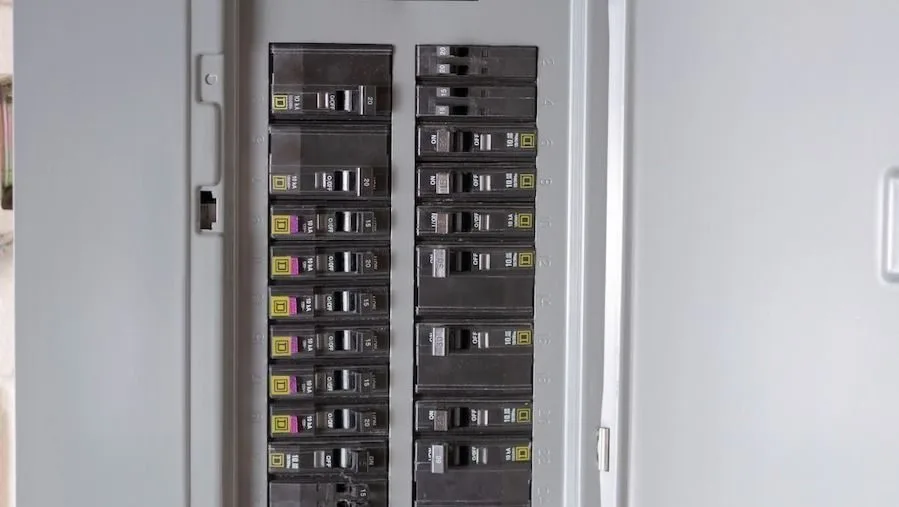
Winter heating pushes Saint Paul home electrical systems past their limits, tripping breakers and revealing panels that can no longer handle modern demand. Genz-Ryan Heating, Cooling, Plumbing, & Electrical reports that frequent trips often point to overloaded circuits, aging equipment, or panels undersized for today’s appliances.
Portable space heaters, heated blankets and supplemental heating systems drive up circuit load when temperatures drop below freezing. A single high-wattage heater can consume most of a circuit’s capacity, especially when combined with other appliances on the same line. Genz-Ryan Heating, Cooling, Plumbing, & Electrical reported that cold weather itself does not cause breakers to fail, but increased usage exposes existing weaknesses in wiring, breakers or the panel itself.
Breaker trips do not always mean panel replacement
A tripping breaker often functions exactly as designed, cutting power when it detects an unsafe condition. An overloaded circuit from a portable heater or a malfunctioning appliance can trigger repeated trips without indicating a panel problem.
The distinction lies in whether the issue is isolated to one circuit, a piece of equipment, or the distribution system as a whole. A licensed electrician can determine whether repairs, additional circuits, or a full panel upgrade is appropriate.

Warning signs that merit professional evaluation
Certain symptoms suggest the panel itself may be deteriorating or inadequate. Burning smells, smoke, visible arcing or signs of overheating require urgent attention; homeowners should not touch affected equipment or remove panel covers, as components may remain energized even with breakers switched off.
Older Saint Paul neighborhoods face capacity gaps
Established communities including Highland Park, Macalester-Groveland, Summit Hill and Hamline-Midway contain homes built before electric vehicle chargers, heat pumps, electric dryers and home-office electronics became standard. These systems were designed for different usage patterns. Adding an EV charger or upgrading major appliances may require a professional load calculation to determine whether the existing service can handle the new demand or if new circuits or a service upgrade are needed.

Safe steps when a breaker keeps tripping
Identify the affected circuit and which lights, outlets or appliances lost power. Disconnect equipment that may have caused the overload. Inspect visible cords and plugs for damage without touching exposed wiring or overheated parts. Consider whether a high-demand appliance such as a space heater was running when the trip occurred.
If no damage or fault is visible, follow the manufacturer’s instructions for a single reset. If the breaker trips again, leave the circuit off and contact a licensed electrician. Never repeatedly reset a tripping breaker or replace it with a higher-amperage model; protection must match the wiring it serves.
When a panel upgrade is warranted
An upgrade may be necessary when the panel has significant corrosion or deterioration, existing equipment cannot safely accommodate required repairs, the home needs additional electrical capacity, major renovations will increase demand, new equipment requires service modifications, the panel contains damaged or incompatible components, or a professional inspection identifies significant safety concerns.
Genz-Ryan Heating, Cooling, Plumbing, & Electrical notes that homeowners sometimes assume upgrading from 100-amp to 200-amp service is always necessary, but a 100-amp service is not inherently unsafe or inadequate for every property; the appropriate size depends on calculated demand, not simply age or square footage. Permits and inspections under local and state requirements apply to panel upgrades in Saint Paul.
Reducing winter overload risk
Plug portable space heaters directly into wall outlets, never into extension cords or power strips. Follow manufacturer instructions for heating equipment. Keep heaters away from curtains, furniture and combustible materials. Avoid running multiple high-wattage appliances on the same circuit.
Replace damaged cords and plugs. Stop using outlets that show signs of overheating or damage. Schedule professional inspections when breakers trip frequently. These precautions can reduce strain, but if breakers continue tripping despite reduced demand, professional evaluation is necessary.
Keep reading
Maresca’s City Draw With Fulham After Half-Time Changes
City ended a three-game Premier League losing streak with a 1-1 draw at the Etihad Stadium. Anderson scored...

Missouri State Sweeps House of Champions Invitational
Missouri State's men's and women's swimming and diving teams each won the House of Champions Invitational on Saturday...
Denver Golf Outlines Learn and Play Pass Rules and Club Rentals
The City of Denver Golf department has published detailed operating rules for its Come Learn & Play Pass,...

Trump Administration Delays Medicaid Disenrollments Six Months; States Say Systems Unready
The Trump administration ordered states to activate Medicaid work requirements on Jan. 1 but granted a six-month grace...