
Gasoline prices in the United States have dropped below the $4 per gallon mark for the first time in months, with the national average for regular fuel falling to $3.94. This recent decline is driven primarily by seasonal shifts and falling crude oil prices rather than political changes, Boise State Public Radio reported.
The dip occurred on Tuesday, marking a 40-cent decrease in the average price over the last month. While much of that downward movement happened within the last two weeks, the relief at the pump is being attributed to predictable market cycles rather than recent election outcomes.
“Many will assume the election had something to do with it, but that’s a myth,” Patrick De Haan, head of petroleum analysis at GasBuddy, wrote in his industry newsletter, according to Boise State Public Radio.
Seasonal shifts and refinery updates
The transition from summer to fall typically brings a reduction in fuel demand. AAA notes that people generally drive less as the weather turns colder, which leaves more gasoline available on the market.
Refineries also play a role in this price drop. Most facilities complete their scheduled annual maintenance by late fall, which increases the overall supply of fuel. The industry has transitioned to a cheaper gasoline blend.

Refineries produce two distinct types of fuel: a summer blend designed to reduce smog by evaporating less quickly in the heat, and a winter blend that helps engines start in freezing temperatures. The winter blend uses more butane, which helps lower production costs.
The timing of this transition was unusual this year. While the switch typically occurs around September 15, the Environmental Protection Agency and the Department of Energy moved the deadline to September 1, citing high prices driven by the war in Iran.
Brent crude prices fall amid geopolitical shifts
While seasonal factors provide a baseline for the decline, Brent crude oil prices drive most of the change. The cost of a barrel has fallen to approximately $90, which directly impacts the cost of producing gasoline, diesel, and jet fuel.
This drop in oil prices stems from increased supply via Middle Eastern pipelines and optimism regarding diplomatic efforts between the U.S. and Iran. However, those gains remain fragile.
“President Trump may see further military action as a way to regain negotiating leverage before Democrats take control of Congress in January. If we see renewed escalation, much of last week’s oil price decline could quickly reverse,” Jorge León, head of geopolitics at the research group Rystad Energy, told NPR.
The political landscape in Washington could also influence these trends. Congressional Democrats have expressed support for ending the conflict in Iran, and while they lack direct control over foreign policy, they hold the “power of the purse.” This allows them to potentially withhold war funding or delay the confirmation of key officials.
If the conflict escalates, the current downward trend in oil prices could be undone. Conversely, if Brent crude continues to fall, gas prices at the pump may follow suit.

The long road to normalization
Even if prices continue to slide, experts warn that the market is not returning to the stability seen before the conflict in Iran began. The current relief is a reprieve, not a total recovery.
Returning to pre-war price levels would require a massive restoration of the entire global oil supply chain. This includes the return of shipping vessels to their original routes and the stabilization of global demand and depleted stockpiles.
“Coming back to those levels will require a return to normal crude production, shipping and refining of the entire global supply chain,” Jaime Brito, executive director of refining and oil markets for Dow Jones Energy, told NPR.
For now, consumers should keep in mind that while $3.94 feels significantly cheaper than recent months, the current situation is still historically expensive. AAA reported that gasoline prices remain at their highest levels for this time of year.

San Diego Women’s Basketball Hosts Portland State in Home Opener
The University of San Diego women's basketball team hosts Portland State at the Jenny Craig Pavilion on Tuesday...
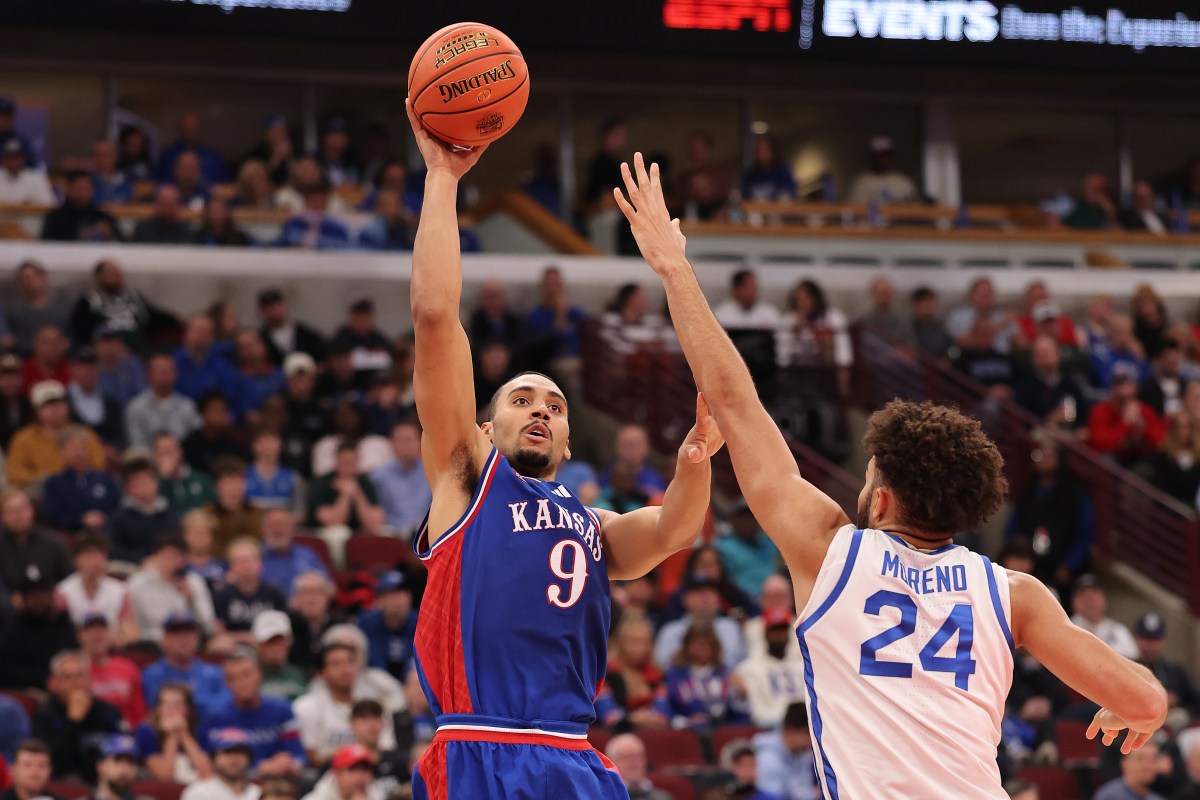
Trey Kaufman-Renn Helps Kansas Defeat Kentucky 89-69
Trey Kaufman-Renn scored 12 points on 4-of-5 shooting to help Kansas defeat Kentucky 89-69 on Tuesday night at...

Daniel Jones Unhappy as Colts Trade Away Starters in Roster Purge
Colts quarterback Daniel Jones expressed dissatisfaction with his team's recent decision to trade away four starters for future...
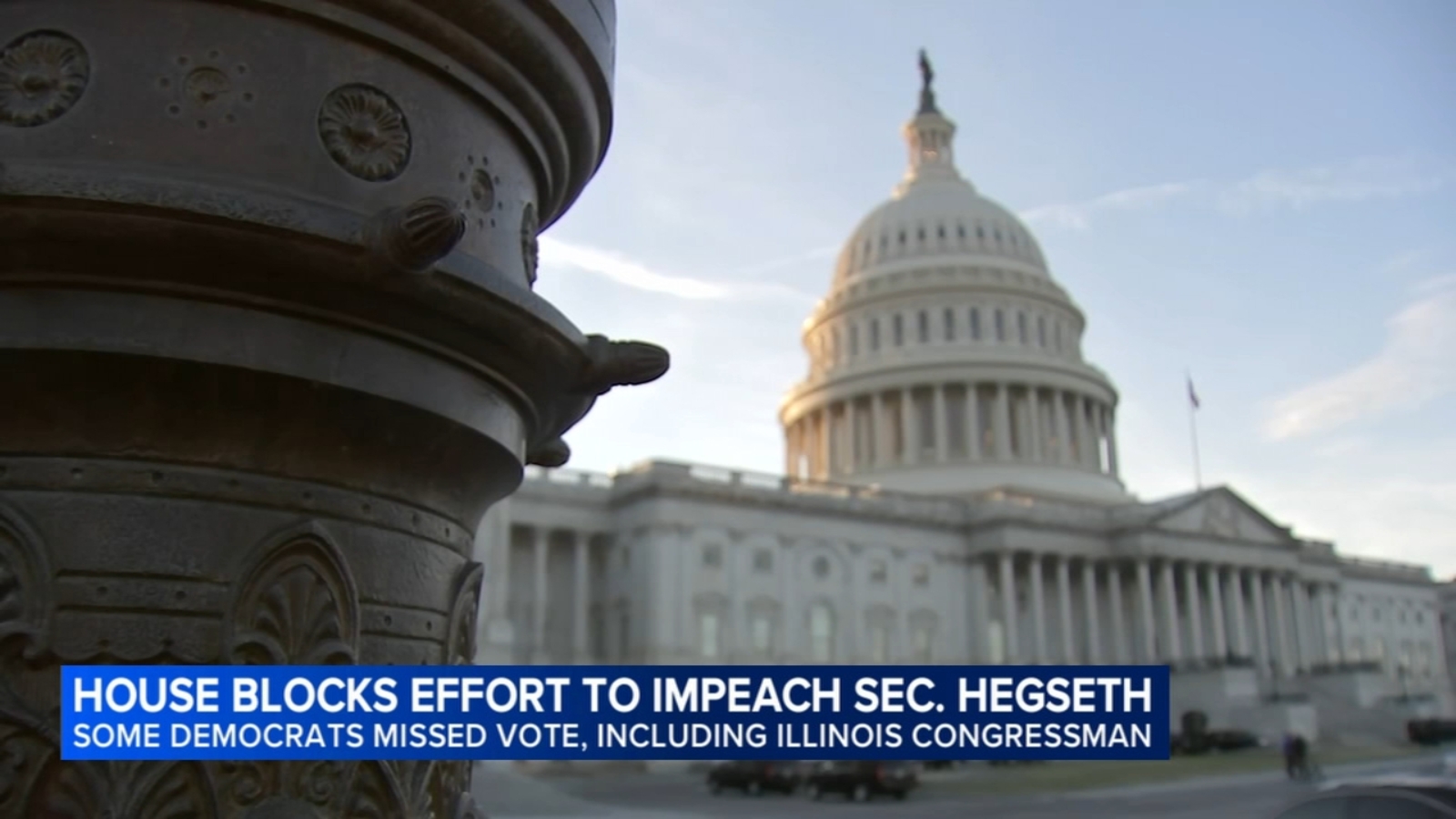
Rep. Jonathan Jackson Admits Mistake After Missing Hegseth Impeachment Vote
U.S. Rep. Jonathan Jackson missed a critical procedural vote on the impeachment of Defense Secretary Pete Hegseth on...