
The Wisconsin Institute for Law & Liberty put six cities and six counties on notice Monday, warning that dozens of local ordinances now violate the state constitution after voters approved an anti-discrimination amendment on Nov. 3, The Badger Herald reported.
The conservative law firm sent letters to Madison, Milwaukee, Wausau, Racine and other municipalities, as well as Dane, Milwaukee, Door, Wood, Walworth and Racine counties, giving them until Dec. 16 to repeal race- and sex-based programs or face litigation.
The amendment, ratified by nearly 60 percent of voters, adds Article I, Section 27 to the Wisconsin Constitution, barring any governmental entity from discriminating against or granting preferential treatment based on race, sex, color, ethnicity or national origin in public employment, education, contracting or administration.
“Wisconsin voters spoke loudly in favor of equal rights, and now it’s time to get to work,” said Dan Lennington, WILL’s managing vice president and deputy counsel. “These programs are not only blatantly unconstitutional, but they are costly and inefficient uses of taxpayer money. The next step for these cities and counties is easy: end the programs, or we will see you in court.”
Madison ordinances in the crosshairs
In its letter to Madison, WILL singled out two municipal codes. Ordinance 4.33 created the Small Business Equity and Recovery Covid Grant, which directed funds to businesses owned by “historically underrepresented individuals” — a category defined by race, ethnicity, sex, immigrant status, veteran status and LGBTQ+ identity. Ordinance 39.02 established the city’s Affirmative Action Ordinance, designed to increase representation of “affected or other under-represented groups” throughout city employment.

WILL argues both ordinances contain explicit race-based and sex-based quotas, goals and administrative practices now forbidden by the new constitutional language. The firm also flagged a Milwaukee County District Attorney’s Office Equal Employment Opportunity Underutilization report that encouraged managers to hire “white males” to address underutilization in an administrative support category, according to the WILL press release.
WILL targets Milwaukee County, city ordinances
The letters to Milwaukee County Executive David Crowley and Mayor Cavalier Johnson go further, identifying eight county ordinances and a city commission requirement that WILL says violate the amendment. One county ordinance requires the Milwaukee County Ethics Board membership to reflect the racial and ethnic makeup of the county at large. Another mandates that contractors with 50 or more employees maintain affirmative action plans.
In Milwaukee, WILL challenged an ordinance governing the Social Development Commission, the city’s anti-poverty agency, which requires the commission to include “representatives of the clergy and minority groups.” The firm noted the commission “reportedly mismanaged millions of dollars in prior government funding” and argued that state funding flowing to the city makes those expenditures ripe for taxpayer challenges.
“So, we’re going to get money from all these cities, and they’re going to have to tell their taxpayers that they wasted, you know, $50,000, $100,000, $200,000 defending a ridiculous law that they probably don’t even use.”
Dan Lennington told Wisconsin Public Radio.
Legal backdrop and the road to Dec. 16
WILL has been litigating race-based programs for years. In 2022, the firm sued the state Higher Educational Aids Board over its minority grant program. The Wisconsin Supreme Court ruled unanimously against the board in June, citing the U.S. Supreme Court’s 2023 decision striking down affirmative action in college admissions.
Lennington told WPR that three liberal justices on the state court had suggested the Wisconsin Constitution “is not colorblind” and allows “special treatment to racial groups,” a view the new amendment is designed to settle.
The amendment takes effect upon certification of the election results, scheduled for Dec. 1. WILL’s letters put local governments on a tight clock: repeal the offending ordinances by Dec. 16 or expect lawsuits filed by Wisconsin taxpayers seeking declaratory judgments and injunctions against enforcement.
Spokespersons for Madison, Milwaukee and Milwaukee County confirmed receipt of the letters and said they are reviewing them, but declined further comment. Wausau, Racine and the other named jurisdictions did not immediately respond to requests for comment.
What the amendment actually says
The ballot language approved Nov. 3 states: “A governmental entity may not discriminate against, or grant preferential treatment to, any individual or group on the basis of race, sex, color, ethnicity, or national origin in public employment, public education, public contracting, or public administration.”
Republicans who authored the measure and conservative groups supporting it argue it bans affirmative action and diversity, equity and inclusion programs within government and schools that provide preferential treatment based on protected characteristics.
Legal experts told the Milwaukee Journal Sentinel the amendment’s passage will likely spark lawsuits testing the bounds of the language. Some local governments may end programs or change eligibility requirements to avoid becoming test cases.
Madison, the state capital and seat of Dane County, was founded in 1836 and chosen as the territorial capital because its isthmus between Lakes Mendota and Monona lay halfway between Milwaukee and Prairie du Chien. The city is home to the University of Wisconsin–Madison, the system’s flagship campus, and has a longstanding reputation for progressive political activity. As of 2020, its population was 269,840, making it the second-largest city in Wisconsin.
Certification of the election results is set for Dec. 1. The deadline for local governments to act is Dec. 16.
Worth a look

New Hampshire Fisher Cats’ “Space Potatoes” Identity Merges First Potato Crop With 1961 Hill Alien Abduction
The New Hampshire Fisher Cats, the Double-A affiliate of the Toronto Blue Jays, have adopted the "Space Potatoes"...

Marsha Geier, 71, Sioux Falls, Dies at University of Nebraska Medical Center
Marsha Geier, a nurse who spent 34 years at Mercy Medical Center in Sioux City and a grandmother...
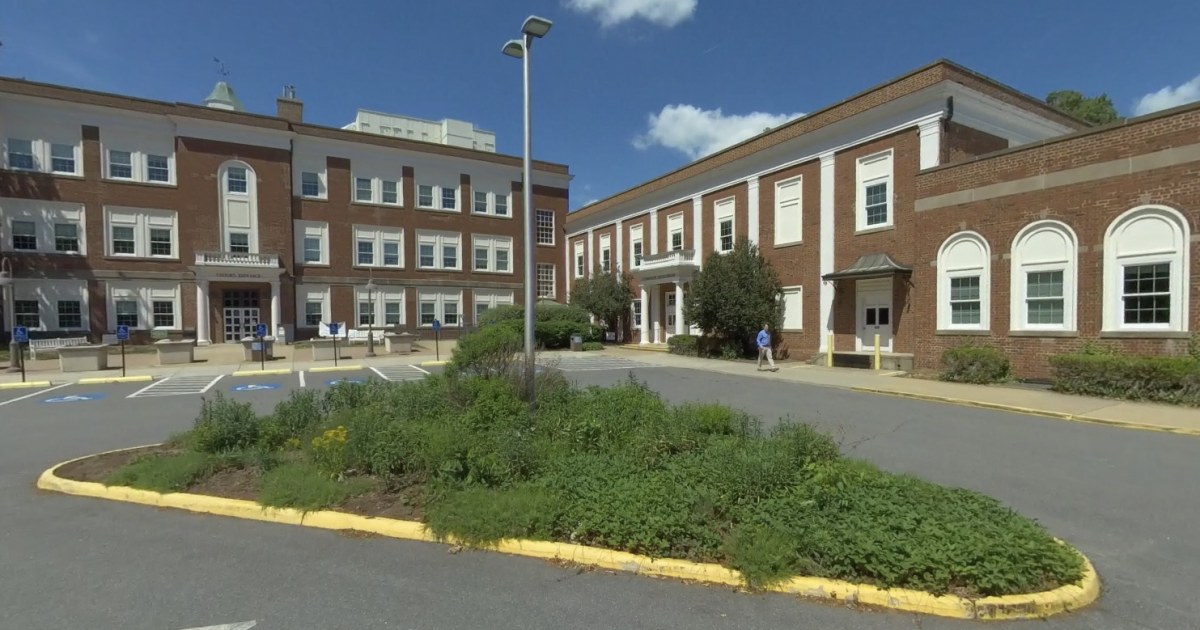
Va. Schools Close Through Thanksgiving Break After 500 Staff Missed Child Abuse Registry Review, Acting Superintendent Says
Albemarle County Public Schools announced Wednesday it would close all 29 schools through Thanksgiving break after discovering more...

Las Vegas Thanksgiving Restaurant Guide: Menus & Prices From $26 to $150
Thanksgiving dinner at a Las Vegas restaurant will cost anywhere from $26 to $150 per person this year,...