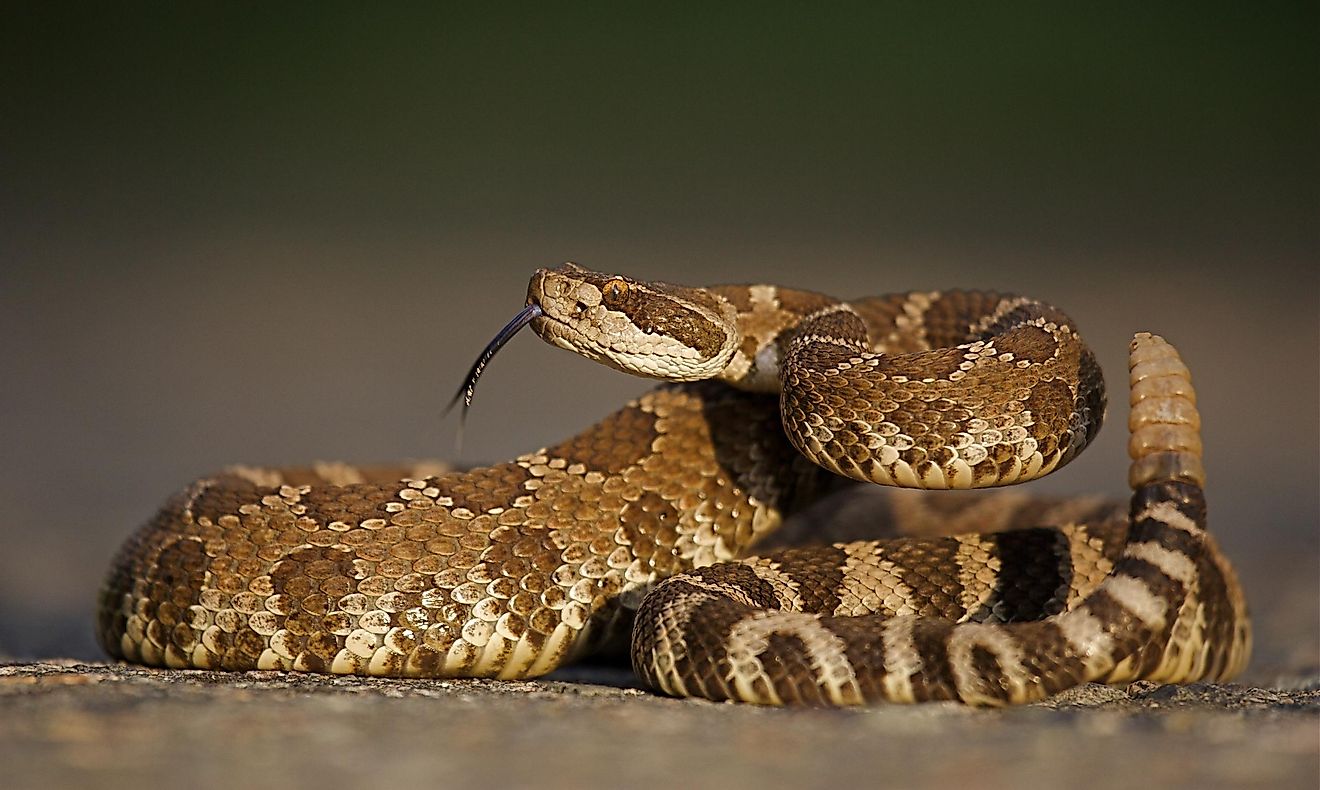
World Atlas has published a survey of Wisconsin rivers that support the state’s 21 snake species, identifying the Wisconsin, Wolf, Fox and Mississippi rivers as the most notable corridors for both common and threatened reptiles, World Atlas reported.
Wisconsin hosts two venomous species, both rattlesnakes, and 19 nonvenomous snakes. The Wisconsin River, the state’s longest at 430 miles, runs from the Michigan border through limestone bluffs, wetlands and sandy stretches that harbor common watersnakes, common gartersnakes, northern ring-necked snakes, North American racers and the timber rattlesnake.
The timber rattlesnake, a protected species that can reach five and a half feet, favors the rugged bluffs and rocky outcroppings along the river’s southwestern stretches rather than the water itself.
The Fox River flows through eastern Wisconsin into Green Bay. Its watershed supports common watersnakes and common gartersnakes, and it is a focal area for the queen snake, a state-endangered species that requires clear, warm streams with moderate to fast currents and rocky bottoms.
Queen snakes rely heavily on crayfish for food. Industrial development and pollution around the Fox Valley have historically degraded water quality; cleanup and restoration efforts have improved portions of the watershed, although challenges remain in some areas.
The Wolf River drains 3,690 square miles across northern and central Wisconsin. The U.S. Fish and Wildlife Service describes it as one of the most scenic and rugged rivers in the Midwest. Species documented along its course include the common gartersnake, northern watersnake and eastern hognose snake.
The eastern hognose flattens its neck to mimic a cobra, hisses and strikes with a closed mouth; if that fails, it rolls over and plays dead, letting its tongue hang limp until the threat passes. The Wolf River Wildlife Area provides managed public access for fishing, hunting and recreation.
Along the Wisconsin border, the Mississippi River’s network of backwaters, islands, floodplains and steep bluffs supports common watersnakes, common gartersnakes, timber rattlesnakes and the eastern massasauga. Also called the swamp rattler, the massasauga prefers wetlands and marsh habitats near river confluences. It is listed as state endangered and federally threatened, with populations now restricted to a small number of isolated areas in Wisconsin.

Beyond the river corridors, the eastern foxsnake inhabits prairies and open fields and is often mistaken for a rattlesnake because it vibrates its tail when threatened. The eastern milksnake occupies wooded areas, fields and rocky environments. The North American racer prefers open, sunny habitats. The state also lists the eastern and western ribbonsnakes as endangered and the Butler’s garter snake as rare.

Denise Michelle Porter, Trenton School Bus Driver, Dies at 67
Denise Michelle Porter, known as Michelle and Niecy, died November 21 in Trenton, N.J., at 67, according to...

DA Announces No Criminal Charges in APSU Shoelace Noose Case; Students Protest
No criminal prosecution warranted under Tennessee law, Nash announced Nov. 25. Student responsible came forward to campus police...

UAlbany Defeats Union 96-68 Behind Roman’s 32 Points
UAlbany defeated Union 96-68 Wednesday at Broadview Center in Albany, N.Y., breaking the game open with a 25-point...
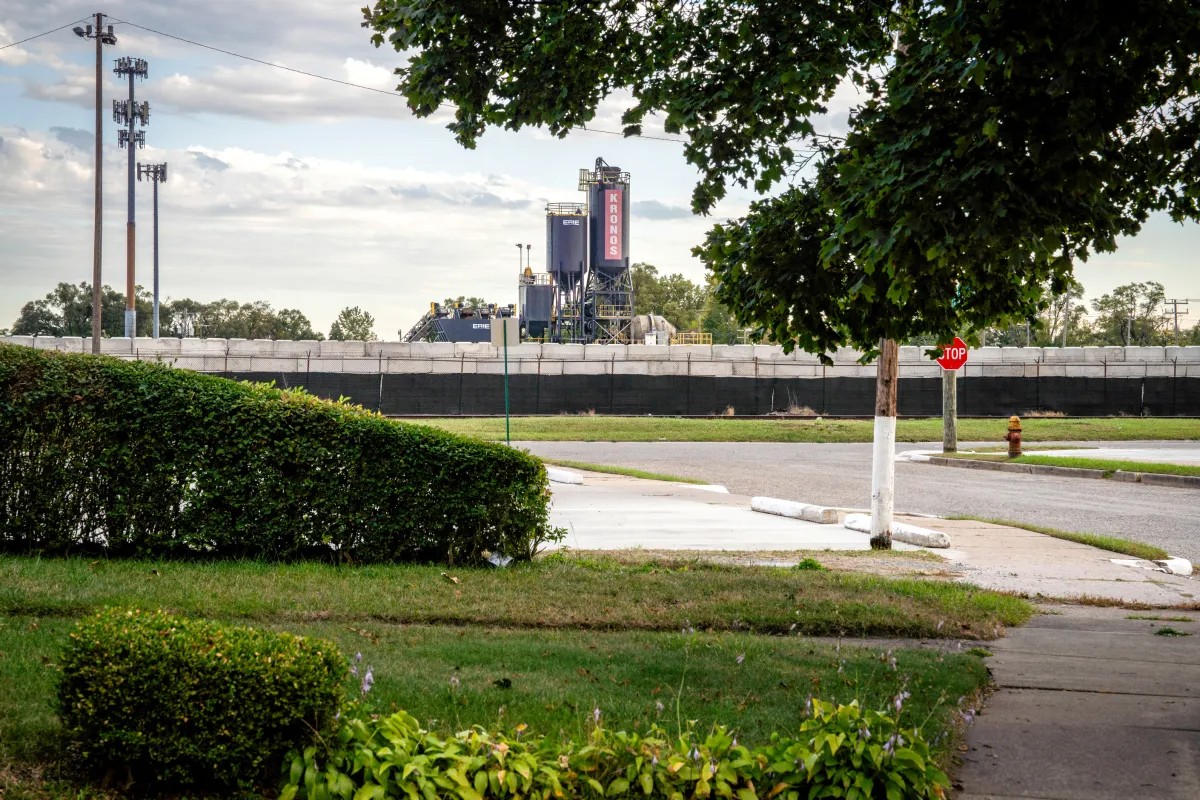
Detroit City Council Approves Rezoning to Prevent Kronos Expansion
“I believe that this is a question of fairness and integrity,” Matthew Moroun, owner of Crown Enterprises, told...