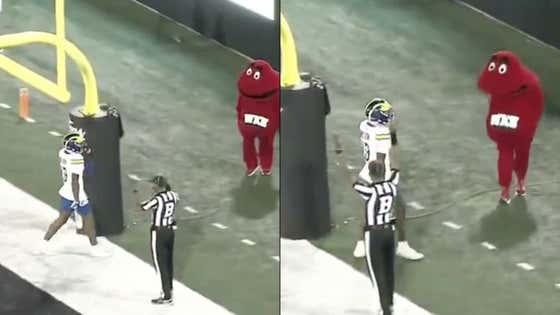
The author argues that Western Kentucky University’s mascot, Big Red, is a top-tier mascot in college sports for standing his ground against opposing players. The piece highlights a moment where Big Red seemed ready to throw hands with a Delaware player after a touchdown, framing the mascot’s behavior as a way to send a message to teams visiting Bowling Green, Kentucky.
The incident occurred during a game where Delaware ultimately defeated WKU 35-21. Despite the loss and WKU’s 3-5 record, the author contends that the mascot’s willingness to “throw hands” if necessary sends a powerful message to the rest of Conference USA. The core of the argument is that college sports are at their best when they embrace the “dumb” and chaotic energy of a red blob confronting an athlete, rather than the bureaucratic complexities of eligibility lawsuits and sixth-year seniors.
The Hierarchy of College Mascots
The author places Big Red in an elite tier of collegiate mascots, suggesting that a combination of specific characters would create a formidable “offensive line and a tight end” of entertainment. This top-tier list includes:
Big Red isn’t gonna put up with you after you score a touchdown on his turf pic.twitter.com/bjfIh0SsWF
- Big Red (Western Kentucky University)
- The Demon Deacon
- The Friar at Providence
- Otto the Orange
- Puddles the Duck
By grouping these figures, the author emphasizes a preference for mascots that possess distinct personalities and a level of unpredictability. The narrative suggests that the role of a mascot extends beyond mere cheering; it is about standing one’s ground and ensuring that no visiting team feels comfortable scoring “wide open” touchdowns in the end zone.
The Cultural Stakes of the Red Blob
The commentary contrasts two different versions of “dumb” in modern college sports. On one side is the systemic absurdity of current collegiate athletics—specifically the trend of players remaining as students for six years to maximize earnings or using legal action to secure eligibility. On the other side is the organic, harmless absurdity of a mascot engaging in a territorial dispute with an opposing player.
The author argues that this brand of passion is what makes the Tuesday night games in Conference USA compelling.
The result on the scoreboard—a 14-point deficit for WKU—is presented as secondary to the psychological victory of “sending a message.” The author posits that while Delaware walked away with the win, they did so knowing that the environment in Bowling Green is hostile, unpredictable, and presided over by a mascot that does not take scoring lightly.
Related reading

Top Halloween and Weekend Events: O’ahu Guide
Honolulu is leaning into a high-contrast blend of cultural celebration and psychological horror for the upcoming Halloween weekend...

Hall Booth Smith Welcomes Jim Standard Back as Of Counsel
Hall Booth Smith, P.C. (HBS) has brought James “Jim” Standard back to its Atlanta office to serve as...

Denver Broncos Release Unofficial Depth Chart Ahead of Chiefs Game
The Denver Broncos have released their unofficial depth chart for Sunday's Week 8 matchup against the Kansas City...
PPIC poll shows support for California billionaire tax has slipped
Support for California's proposed billionaire tax has slipped in the final stretch before Election Day, shifting from a...