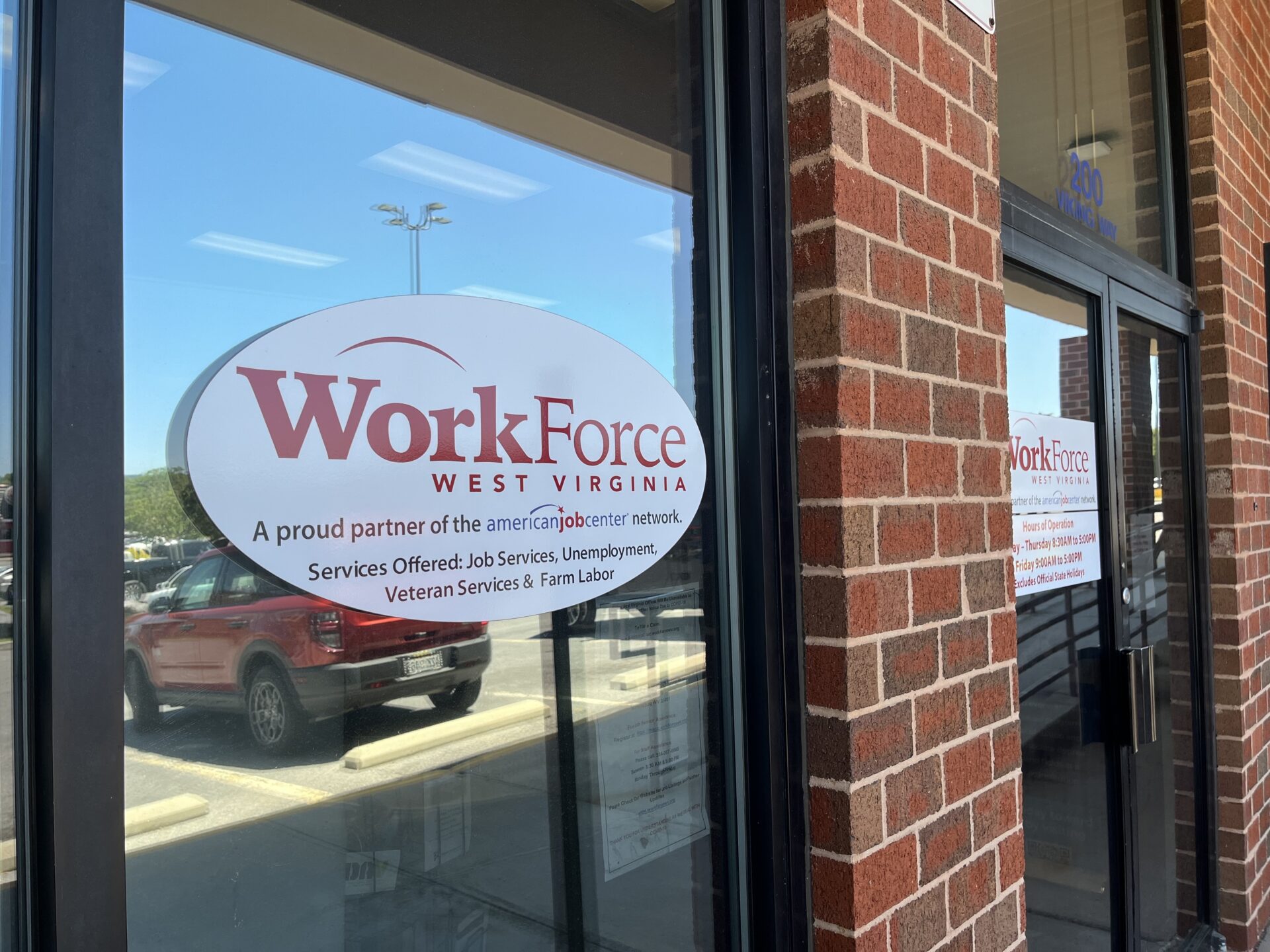
West Virginia’s unemployment rate held steady at 4 percent in October even as the national figure ticked down to 4.1 percent, West Virginia Public Broadcasting reported.
The gap is small on paper, but the context is not. West Virginia’s labor force participation rate remained frozen at 53.8 percent — the lowest in the country — while the national average sits at 61.9 percent, according to the monthly release from Workforce West Virginia. If the state matched that national rate, more than 100,000 additional people would be in the workforce.
Total nonfarm payroll employment fell by 1,700 from September to October. The goods-producing sector shed 400 jobs; the service-providing sector lost 1,300. Professional and business services led the declines with a drop of 500, followed by leisure and hospitality and total government, each down 300. Only “other services” added jobs, gaining 100.
| Sector | Monthly Change | Yearly Change |
|---|---|---|
| Total Nonfarm Payroll | -1,700 | -2,500 |
| Goods-Producing | -400 | |
| Service-Providing | -1,300 | |
| Manufacturing | -300 | -500 |
| Mining & Logging | -100 | -700 |
| Professional & Business Services | -500 | -900 |
| Leisure & Hospitality | -300 | +700 |
| Total Government | -300 | +800 |
| Other Services | +100 | -700 |
Over the year, the state has lost 2,500 jobs. Construction took the hardest hit, down 1,600 positions. Professional and business services fell by 900, financial activities by 800, and mining and logging by 700. The lone bright spot: private education and health services added 1,900 jobs.
The household survey offers a slightly different texture. The number of employed residents rose by 400 to 741,800, while the number of unemployed residents fell by 200 to 30,500. But the labor force itself barely moved, a sign that people aren’t re-entering the market in meaningful numbers.
National trends offer a contrast.
Keep reading

LA County Stages Pumps, Trucks in Wilmington as Rain, High Tides Threaten Bridge Detour
Los Angeles County Public Works crews staged additional pumps and trucks in Wilmington on Wednesday as forecasters warned...

Houston Upsets No. 1 Florida 86-76, Dominates Paint 44-18
Houston guard Dedan Thomas Jr. scored a career-high 30 points and the eighth-ranked Cougars overwhelmed top-ranked Florida inside...

Deal Performs Three Full Sets at Bridgeport Ribhouse Grateful Sundays
Deal brought three full sets and a soundcheck jam to the Bridgeport Ribhouse on Sunday afternoon, a 200-minute...

USA Today: Sanders’ Job Security Steadied by Rally, Win; Bowl Eligibility at Stake
Deion Sanders’ job security at Colorado steadied this week after a player-led social media campaign and a crucial...