
Seventy-nine school referendums were on ballots across the state in November, seeking a combined $1.6 billion, WPR reported.
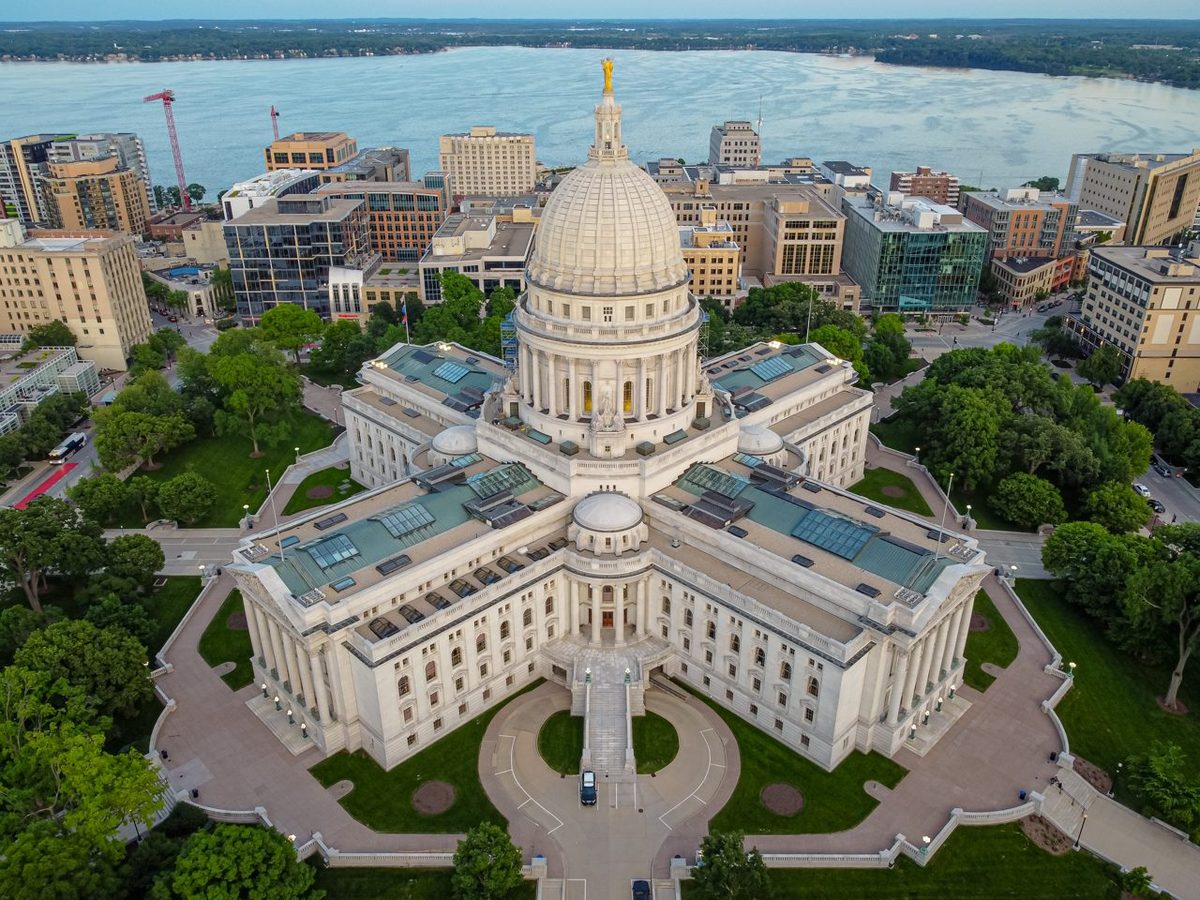
Incoming Assembly Speaker Greta Neubauer and incoming Senate Majority Leader Dianne Hesselbein stood before reporters last week after their caucuses elected them to lead the first Democratic majorities in both chambers since 2010. They will take the gavel in January alongside Gov.-elect David Crowley, giving the party a trifecta.
“We will chart a new path forward for our state, taking this mandate and doing everything in our power to move Wisconsin forward,” Neubauer told reporters. “We are going to lower costs, build great schools and protect people’s rights.”
Hesselbein, who will become the third woman to hold the Senate majority leader post, framed the schools crisis as a consequence of legislative neglect. “We know we are going to build a Wisconsin that works for everyone and stop the endless cycles of referendums by fully funding our K-12 public schools,” she said. The Cap Times reported that Neubauer will be the first woman to serve as Assembly speaker.
The math behind the referendums
The referendums are not a glitch; they are the designed pressure valve of a system the Legislature built by repealing automatic revenue limit adjustments for inflation in 2009. That year, lawmakers repealed the statutory provision that automatically adjusted revenue limits for inflation. Since then, state aid to public schools has been $2 billion less than the inflation-adjusted number in 2009, according to Jeff Mandell, general counsel at Law Forward, which represents plaintiffs in a pending lawsuit challenging the funding structure.
The suit argues that the caps force districts to beg voters for operating cash as a last resort. Rachel Snyder, policy counsel at Law Forward, told the Wisconsin Independent the recent elections have not altered the litigation. “We hope that the newly elected leaders will use this upcoming session to make meaningful changes to Wisconsin’s public school funding structure,” Snyder said.
April brought 75 referendums. November brought 79. The combined ask: $1.6 billion in new local property-tax authority. WPR reported the figures.
Cost of living as the organizing principle
Neubauer floated free school meals as an immediate grocery-bill reducer for families. She also pointed to prescription-drug price regulation, an expanded homestead tax credit for renters and low-income homeowners, and marijuana legalization as revenue and relief levers.
“We have traveled a long road to get to this moment and now stand on the cusp of what will be a transformative session, one where we will take long-overdue action to fulfill our promises and make life more affordable for people in Wisconsin and ensure that everyone can thrive in our state,” Neubauer said. “We are united, and we are ready to govern.”
Hesselbein has made the cost-of-living frame her signature since becoming Senate minority leader nearly three years ago. “Wisconsin Senate Democrats are committed to building a future where an honest day’s work nets an honest day’s pay, where childcare doesn’t cost the same as a college tuition and where everyone can afford to live in a safe community that they choose to do so,” she said.
The first bill the new majority takes up is expected to center on cost of living, including free school meals, a cap on prescription drug costs, and an expanded homestead tax credit for renters and low-income homeowners. The Senate saw an 18-15 majority and the Assembly saw a 53-46 majority.
Leaders name priorities including labor protections and abortion ban repeal
Other priorities named by leaders include restoring labor protections by undoing Act 10 and the state’s right-to-work law, repealing the 1849 abortion ban that the state Supreme Court has rendered unenforceable, passing gun measures such as a red-flag law and universal background checks, legalizing marijuana, increasing K-12 school funding, reinstating the Knowles-Nelson conservation program, and expanding child care access.
A mid-decade redrawing of the state’s congressional maps was described as still on the table, without a commitment.
Republicans are already framing the results as a national backlash rather than a state mandate. Outgoing Assembly Speaker Robin Vos of Rochester warned that a hard turn in the majority could cost Democrats in two years. Sen. Patrick Testin of Stevens Point said Senate Republicans will keep fighting for Wisconsin families and called cost of living the cycle’s largest issue.
The state is projected to end the current budget cycle with a surplus of about $3 billion, and both leaders said they will work with Crowley on the budget he introduces early next year.
Keep reading
Arizona Man Sentenced to 12 Years for Enticing 12-Year-Old Girl Met on Fortnite
An Arizona man who met a 12-year-old Idaho girl through Fortnite was sentenced to four years fixed and...

HSE Chief Anne O’Connor Says She Has Not Spoken Recently to CUH CEO
HSE chief executive Anne O'Connor appeared before the Oireachtas health committee Wednesday and acknowledged she has not spoken...
DOJ Issues Over 200 Subpoenas in Criminal Probe of Alaska ‘Decoy Dan’ Election
More than 200 subpoenas have been issued in a federal criminal investigation examining whether Democratic operatives recruited a...

Philly Man Charged With Helping Plan Fatal Walmart Shooting in Cheltenham Township
A Philadelphia man has been charged with helping plan the fatal shooting of a Walmart employee in Cheltenham...