
Join the Alumni Association today, a simple step for those who love West Virginia University.
This isn’t about dusty history; it’s about active community building and tangible support for current students through scholarships and new alumni programs, as the WVU Alumni Association details in its outreach.
For recent grads, claiming membership is immediate, not optional, marking a transition from student to invested community member.
The Alumni Association fosters connection across a wide geographic footprint, recognizing that a WVU education doesn’t stop at graduation day.
They maintain chapters across numerous locations, including the Tampa Bay chapter, which serves the local community, and others stretching from the Greater L.A. area in California to the National Capital Area in Washington, DC.
This broad reach shows the university’s impact extends far past the state lines, cementing a dispersed, yet unified, network.
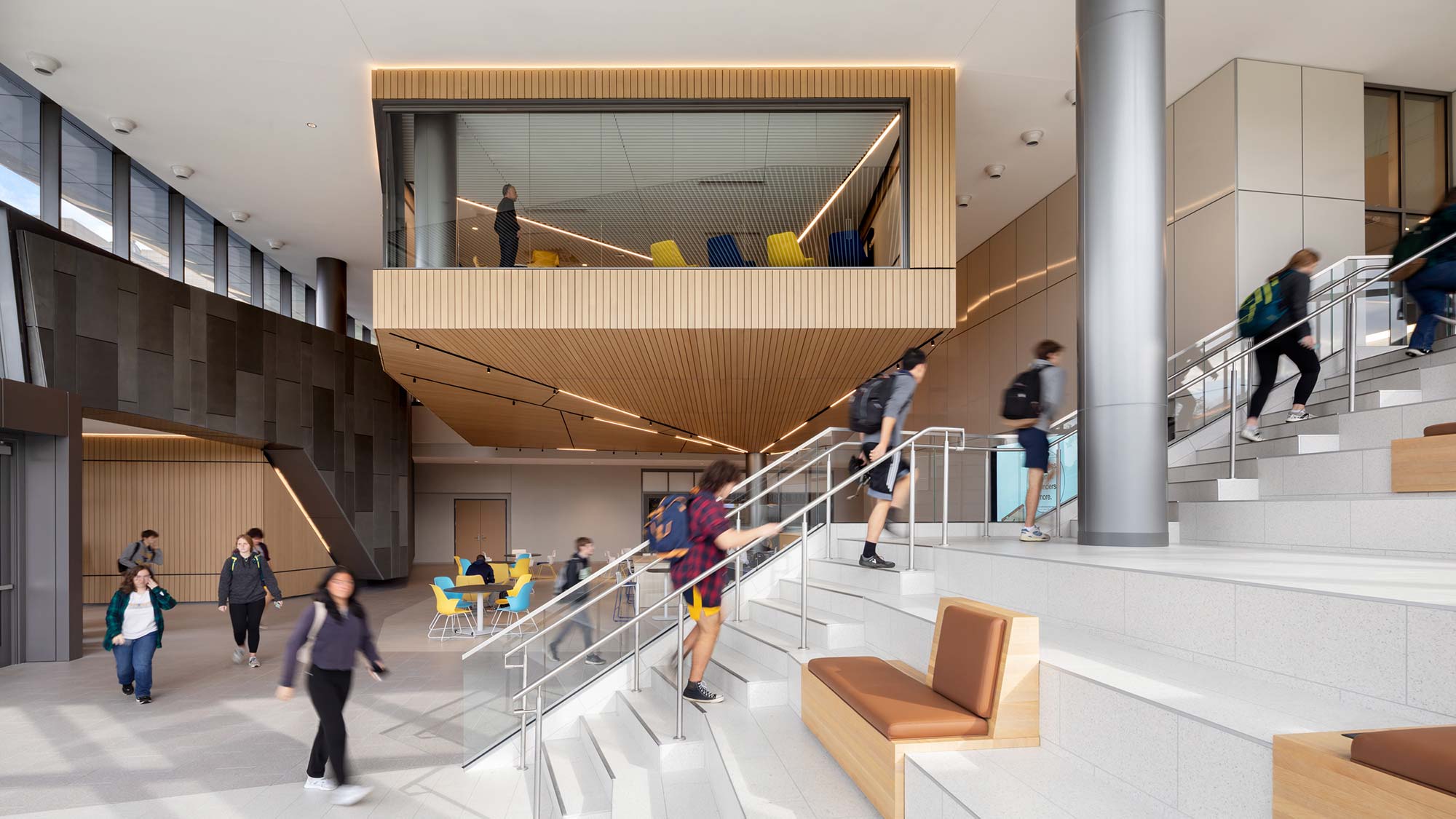
Life after graduation still offers substance; access to lifelong learning isn’t abstract theory but concrete infrastructure located within Reynolds Hall, home of the Chambers College of Business and Economics.
This facility isn’t some remote wilderness retreat, but a sophisticated office space equipped with workstations, secure networks, and necessary servers for modern professional engagement.
The value proposition isn’t just networking; it’s continued access to an operational, high-level academic environment.
“Welcome to the Alumni Association family!”
This simple sentiment captures the intent: ongoing belonging tied to tangible benefits for the graduate.
The association is clearly structuring its engagement around immediate post-graduation needs, prompting new grads to act quickly to secure their membership.
If you’re looking to engage with the university’s ongoing academic life, you can find chapter specifics, for instance, by viewing the information for the Tampa Bay group.
The sheer diversity of represented locales—from the Emerald Coast and Central Florida to the Rocky Mountain chapters—illustrates a deep, national diaspora of Mountaineers.
A perspective on this community building is that sustained engagement helps fuel the institutional mission itself, supporting vital student aid.
For those interested in the university’s broader academic structure, official program details can be referenced via the university’s main portal alumni.wvu.edu.
The Devil’s Advocate perspective suggests that while connection is vital, the true value lies in the direct financial contribution supporting scholarships for current students.
The opportunity to give back to your alma mater is presented as a mutual investment, not just a charitable act.
Consider the scope: chapters are listed for places like the Peach State in Georgia and the DFW Mountaineers in Texas, showing significant regional penetration.
The commitment to providing resources, such as those found inside Reynolds Hall, helps bridge the gap between academic theory and professional practice in a sophisticated operational setting.
This structure is designed to support career trajectories, not just maintain sentimental ties.
The university is actively cultivating a durable, interconnected professional cohort across the nation.
To see the full range of regional support, check the listing for the Central Florida chapter.
The focus remains squarely on mutual benefit—connection for alumni, financial support for students.
Keep reading

Wilmington Food Pantries Face Higher Demand This Holiday Season
Wilmington food pantries face higher demand this holiday season. Challenging economic times mean many Wilmington residents struggle to...

Columbus Beats Inter Miami 3-0 in Game 1, Tapia Scores Twice, Says Associated Press
Columbus Gonzalo Tapia buried a penalty in the eighth minute and added a second-half tap-in as the seventh-seeded...

Mississippi Valley State Loses to West Georgia 94-79
Friday afternoon in Itta Bena, Mississippi Valley State fell 94-79 to West Georgia inside the R.W. Harrison HPER...
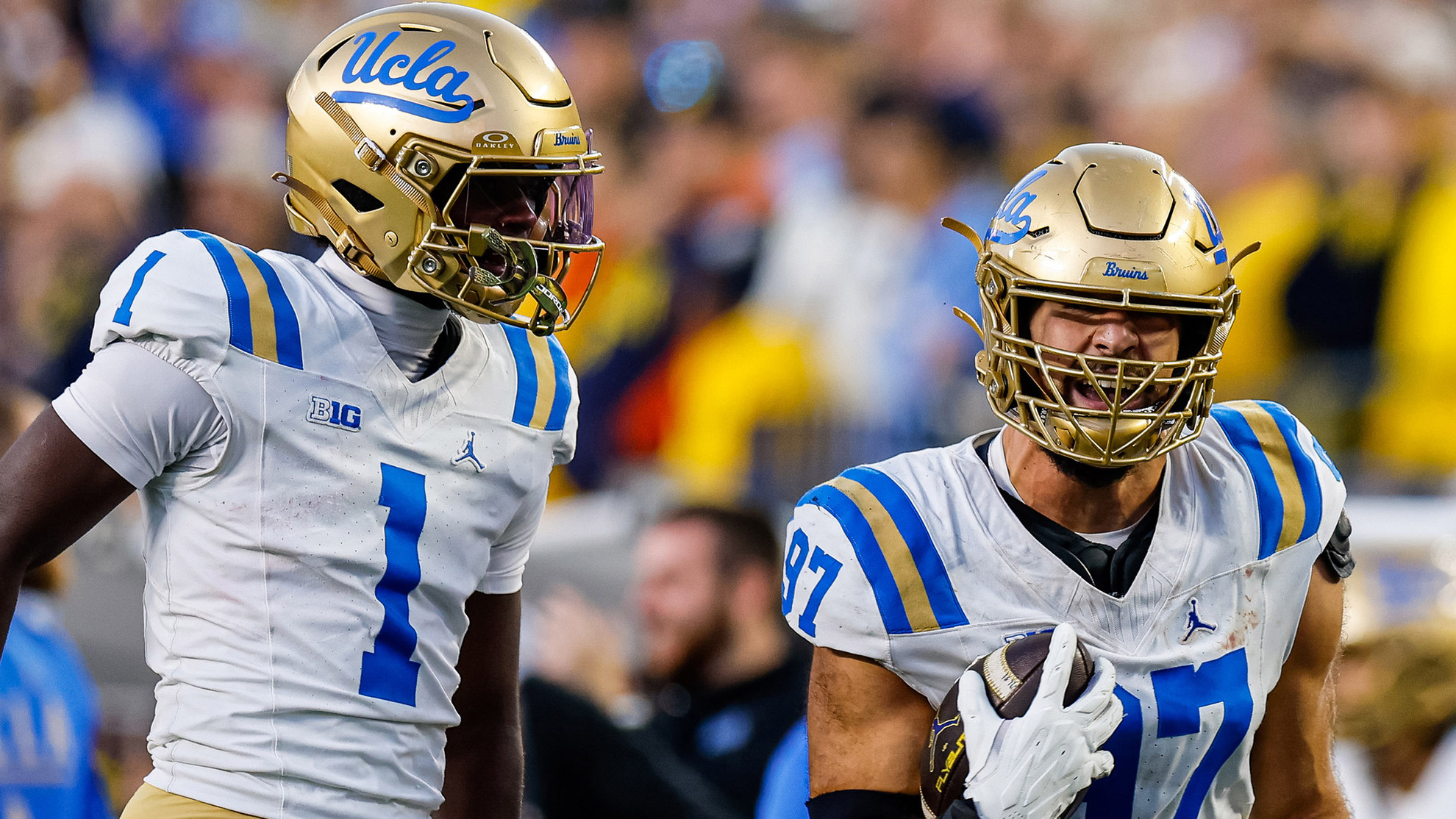
UCLA Postgame Quotes After Three Overtime Loss to Michigan
Michigan outlasted UCLA in three overtimes Saturday at Michigan Stadium, handing the Bruins an 18-16 loss that came...