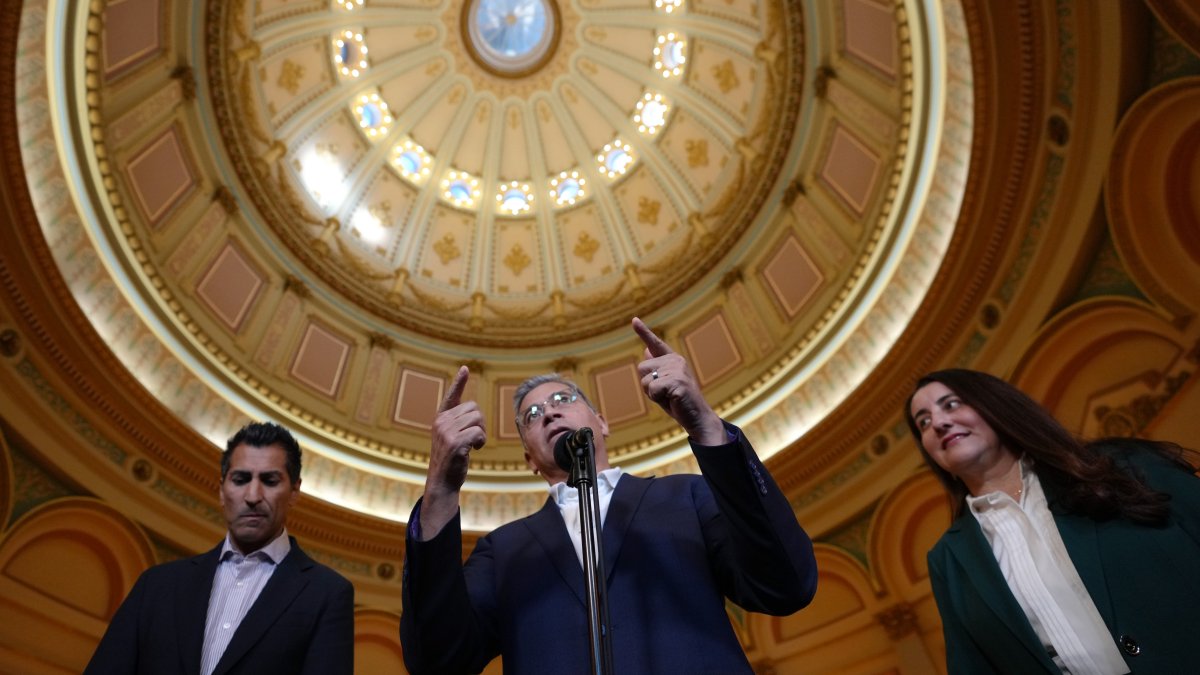
The Becerra Era Begins: California’s Enduring Catholic Legacy
With his victory this week, Xavier Becerra has become California’s fifth consecutive Catholic governor, cementing a streak that highlights the complicated, often contradictory role faith plays in the state’s political identity.
As NBC News projected his win over Republican Steve Hilton, the Democrat and former U.S. Health and Human Services secretary welcomed supporters to what he termed the “Becerra era.”
This milestone is not merely a statistical curiosity; it reflects a deeper, centuries-old integration of Catholicism into the California experience.
While the state is often viewed through the lens of its staunchly progressive politics, the election of an openly Catholic leader—who also happens to be the state’s first elected Latino governor—serves as a reminder that the influence of the Church here is as foundational as it is unpredictable.
A Political Landscape That Defies Simple Labels
The tension between traditional Catholic dogma and California’s political leanings is a constant feature of the state’s governance.
Xavier Becerra himself provided a window into this complexity during his campaign, noting that while the “sanctity of life” was deeply ingrained in his upbringing, he maintains a firm commitment to abortion rights. This stance, which remains confounding to some, mirrors the broader reality that there is no singular “Catholic vote” in America.
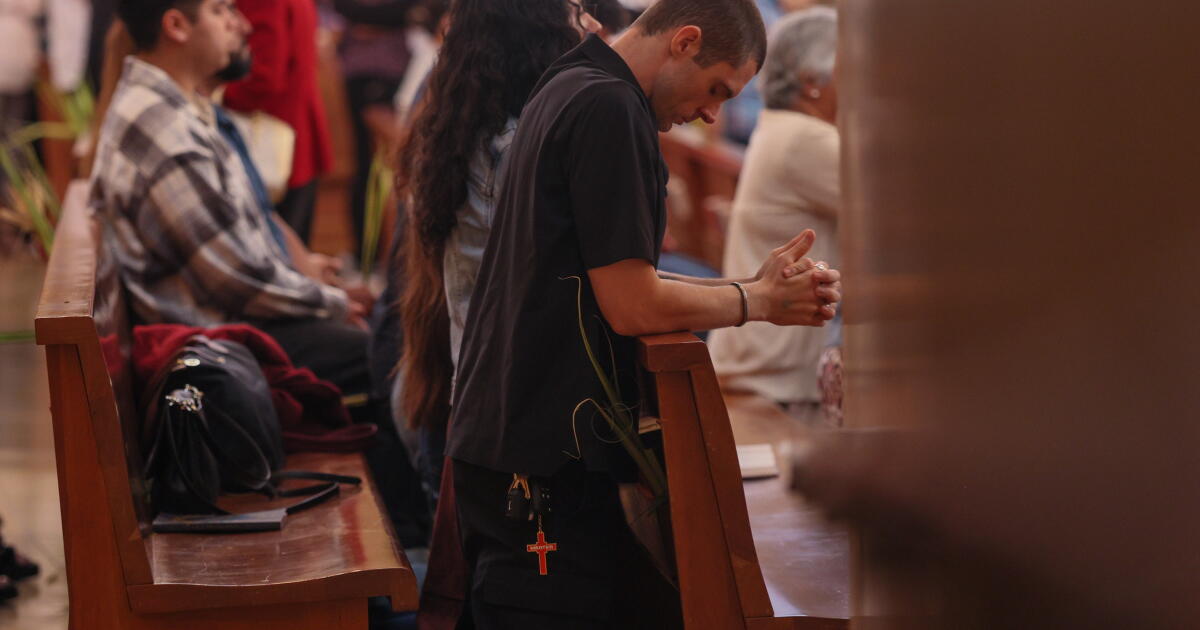
“Catholicism is part of the fabric of California culture the way Puritan Protestantism is part of the New England regions,” said David Gibson, director of the Center on Religion and Culture at Fordham University.
Data from the 2024 Pew Research Center poll underscores the sheer scale of this influence, identifying 25% of California adults as Catholic—nearly half of the state’s total Christian population. Despite these numbers, the political behavior of this group remains notoriously fluid.
According to The AP Voter Poll, roughly 60% of Catholic voters supported Becerra in this race, while about 40% backed Steve Hilton. The divide is even more pronounced when viewed through an ethnic lens, with Latino Catholics showing significantly higher support for the Democratic ticket than their white counterparts.
The Moral Tension of Governance
California’s governors have long balanced their personal faith with the demands of a secular, progressive state. Gavin Newsom, the outgoing governor, provides a recent example of this friction. While his aggressive support for abortion rights has put him at direct odds with Catholic leadership—most notably when San Francisco Archbishop Salvatore Cordileone barred Nancy Pelosi from receiving Communion in 2022—his recent executive actions have found favor with the Church.
Just this week, as reported by NBC4, Newsom announced the commutation of more than 500 death sentences to life in prison without the possibility of parole. The California Catholic Conference, representing the Church’s public policy interests, celebrated the move, aligning with long-standing Catholic doctrine against capital punishment.
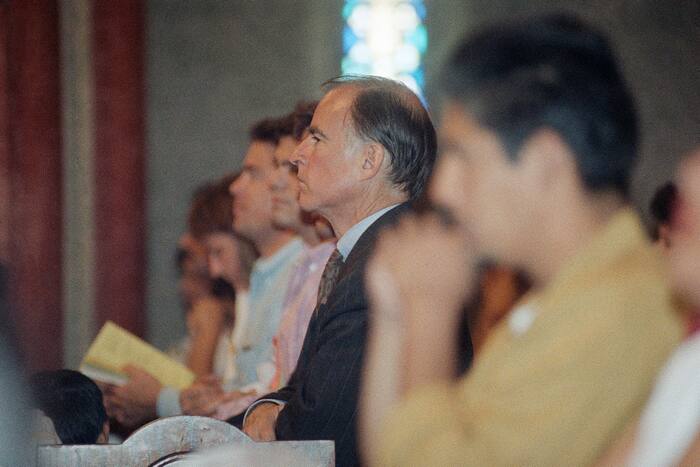
This dynamic highlights how the Church in California operates as a sophisticated, if fragmented, political actor. Some leaders, like Bishop Alberto Rojas of San Bernardino, have actively defied federal immigration policies by shielding parishioners.
Others, such as those overseeing the state’s historic mission system, are currently managing a painful reckoning with the past. The legacy of the 21 missions, founded between 1769 and 1823, remains a subject of intense academic and social scrutiny.
Living with the Legacy of the Missions
For many Californians, the Catholic influence is felt less in the halls of Sacramento and more in the physical landscape of the state. The Spanish Colonial Revival architecture that defines much of California’s aesthetic traces its lineage directly to the missions.
However, as historian William Deverell of the University of Southern California points out, these sites represent a “major consequential institutional moment” that brought about the demographic collapse of Indigenous populations due to introduced diseases and systemic mistreatment.
The state has taken formal steps to address this, with curriculum mandates requiring schools to teach the Native perspective on these missions. Yet, for residents like Tracy Creighton, the missions remain a dual-natured reality—both a site of historical trauma and a cherished landmark for family milestones.
This tension is perhaps most visible in the lives of individuals like Brian Murillo of Fresno, a self-described “lapsed Catholic” who still finds comfort in the prayers of his childhood, even as he feels alienated by the institutional Church’s political leanings.
As Xavier Becerra takes the oath of office, he inherits a state where the Church is simultaneously a pillar of tradition, a catalyst for social justice, and a point of deep historical contention. Whether the “Becerra era” will bridge these divides or sharpen them remains the central question for the next four years.
- Wayne Calvin Mosely, Sr.: Navy Veteran and Volunteer Firefighter
- Regent Park Rehabilitation Offers Expert 24/7 Nursing Care in Wichita
- Eisenkot Tapped to Lead Coalition Push Amid Deep Political Divide in Israel (newsarchyuk.com)
- Jane Kim Wins California Insurance Commissioner Race, Vows State-Run Wildfire Insurance Fund (archyde.com)
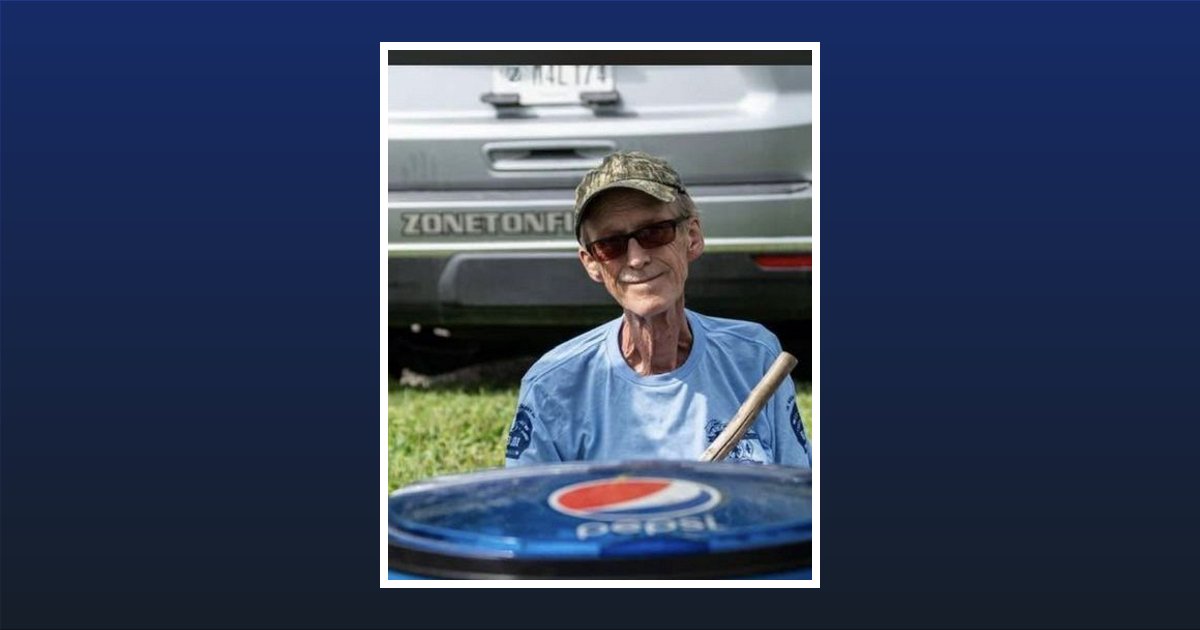
Wayne Calvin Mosely, Sr.: Navy Veteran and Volunteer Firefighter
Wayne Calvin Mosely, Sr. died on Friday, November 6, 2026, surrounded by his family, according to reports from...

Regent Park Rehabilitation Offers Expert 24/7 Nursing Care in Wichita
Regent Park Rehabilitation and Healthcare provides 24/7 nursing support for residents in the Wichita area, according to information...

More than 200 small businesses gathered at the EMC Expo Center this weekend to kick off the local
More than 200 small businesses gathered at the EMC Expo Center this weekend to kick off the local...
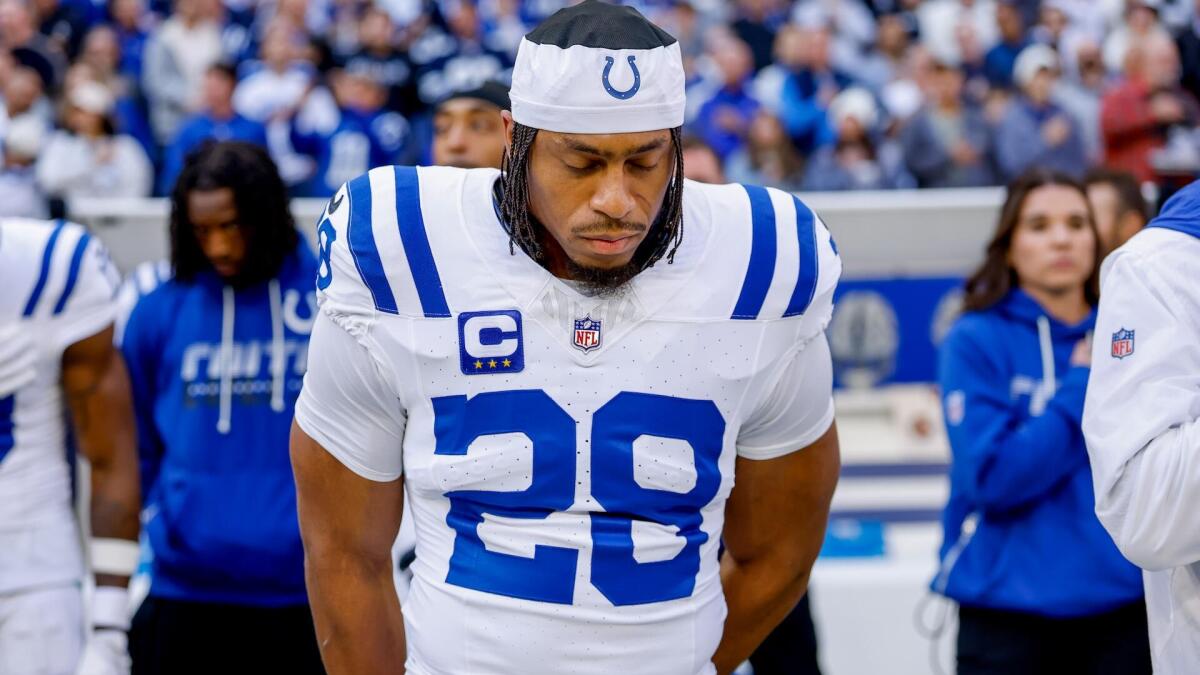
Jonathan Taylor Says Goodbye to Indianapolis as Trade Deadline Nears
Jonathan Taylor spoke of his gratitude to the city of Indianapolis on Sunday, suggesting he may have played...