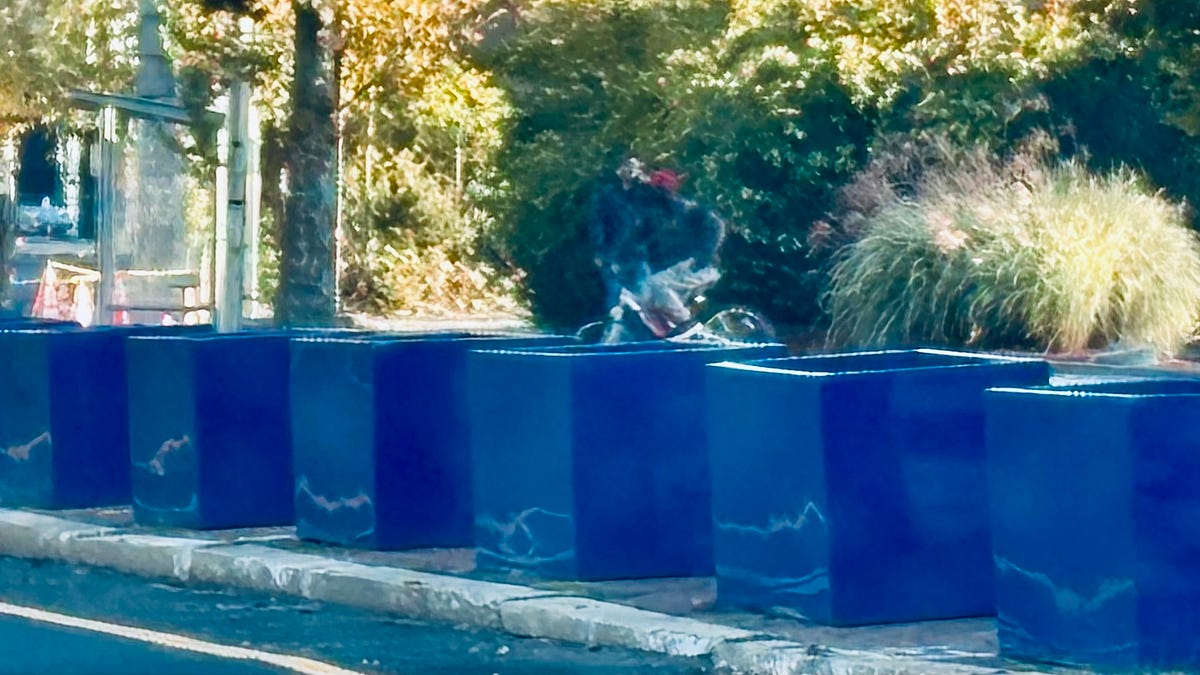
Yadira Rivera, a member of the JCP Collective, argues that Providence city officials are ignoring Southside residents while spending nearly $600,000 in public funds on “cosmetic” improvements to Broad Street. Rivera details a period during which she sent four written requests for information to three City Councilors—Juan Pichardo, Pedro Espinal, and Mary Kay Harris—none of whom provided direct answers regarding the funding or implementation of the Broad Street Beautification Project.
The friction centers on a perceived disconnect between City Hall’s spending priorities and the lived reality of the community. While bright blue planters and promotional banners have appeared throughout the neighborhood, residents report being left in the dark about the project’s purpose, the selection process for featured individuals, and the specific allocation of taxpayer money. This lack of transparency has turned a beautification effort into a symbol of civic neglect for those who feel the city is prioritizing aesthetics over basic human needs.
Blue planters and silent officials
The physical evidence of the project arrived without warning. Twenty-four blue planters appeared on a traffic island in Washington Park, yet Rivera reports that no one in a position of power seems to know who placed them there. Ward 10 resident Linda Perri attempted to track the origin of the planters by contacting the City Forester, Parks Superintendent Wendy Nilsson, State Representative Grace Diaz, Councilman Espinal, and Trinity Square Together Chair Deborah Schimberg. According to Rivera, every official except Espinal responded, and all of them claimed to have no knowledge of the planters.
For some, the arrival of these planters is an insult to the economic struggle of the neighborhood. Aubrey Planitz, a Ward 10 resident, told Rivera that the sight of cosmetic upgrades is jarring while local families struggle to afford basic necessities. The sentiment is echoed by John Prince, a longtime community activist in Ward 9, who compared the current secrecy to the demolition of Gilbert Stuart Middle School, where he claims residents were the last to know about developments happening right across the street.
The project’s lack of communication extends to the human element of the beautification. Dell Padgett Jr., a Ward 11 resident, recounted how he was approached two years ago about featuring his father, Dell Padgett, on a banner for his contributions to the arts. Despite the subsequent appearance of numerous banners, Padgett’s father was never included, leaving the family questioning the process and the criteria for selection.
The paper trail of pandemic relief funds
While official public responses have been scarce, some financial details emerged through private channels. Rivera cites a June 9 text message sent by Councilman Pichardo to Yaimani Rivera of the JCP Collective. In that message, Pichardo listed a total of $594,840 directed toward the Broad Street Beautification Project. A significant portion of this—$424,100—consists of federal American Rescue Plan Act (ARPA) pandemic relief funds.
| Councilor | Amount Allocated | Funding Source |
|---|---|---|
| Juan Pichardo (Ward 9) | $250,000 | ARPA Funds |
| Pedro Espinal (Ward 10) | $74,640 | Neighborhood Infrastructure Fund |
| Mary Kay Harris (Ward 11) | $270,200 | ARPA ($174,100) & Neighborhood Infrastructure Fund ($96,100) |
When asked for a detailed breakdown of how these funds would be utilized, Pichardo answered in one line: “Our joint efforts to improve our main corridors like Broad St.” To date, neither Harris, Pichardo, nor Espinal has publicly confirmed these figures or provided a line-item budget for the expenditures.
A gap between campaign promises and governance
The current silence from the Councilors stands in stark contrast to their public personas. Councilwoman Mary Kay Harris, who spent 15 years as a community organizer, told the Brown Daily Herald in 2023, “In leadership, you bring other people with you.” Similarly, Councilman Pichardo has previously described his role as a “full-time obligation” and pledged transparency. Councilman Espinal’s history as chair of the Southside Broad Street Steering Committee suggests a deep familiarity with the corridor, yet he has remained silent in the face of constituent inquiries.
The disconnect is further highlighted by conflicting accounts of community engagement. At a September 2 candidate forum, Councilman Pichardo described the project as a collaboration with community members. Two weeks later, at a meeting at the Elmwood Community Center, he claimed that public meetings had already occurred, though he could not specify when or where they took place. Rivera notes that the residents she interviewed were unaware of any such meetings, and no agendas or records have been produced to prove they happened.
As Aubrey Planitz put it plainly, a brief explanation of a project’s purpose, funding, and community involvement should be a simpler matter, but between three sitting councilors, that apparently proved too much to ask.
The response from the City Council office on October 20 did not address the specific questions regarding the planters or the budget. Instead, the office directed Rivera to a public records portal, a YouTube channel, and a meeting calendar. For a community already feeling sidelined, being referred to a video platform for answers about public spending is seen as a dismissal of their civic rights.
The core of the dispute is not whether Broad Street should be beautiful, but who defines that beauty and who is allowed to participate in the process. By failing to answer simple questions about public funds and urban planning, the representatives of Wards 9, 10, and 11 have left their constituents to wonder if “beautification” is merely a cover for a lack of genuine community investment.
Related reading

Pat McAfee says he hates University of Utah after ‘College GameDay’ video – LA Times
Pat McAfee Puts University of Utah in His Crosshairs After Social Media Video In a tense fallout that...

Franklin Web Printing Empowers The Contributor for Nearly Two Decades
For nearly two decades, a partnership has turned the act of printing a newspaper into a vehicle for...
Aquinas Hall Undergoes Major Renovation at Providence College
Built in 1933 as Providence College's first residence hall and just the second building on campus, Aquinas Hall...

Green Bay Packers missed passing opportunities defined Week 7 game
A handful of missed passing opportunities defined the Green Bay Packers' Week 7 performance against the Detroit Lions,...