
A City Divided: Rising Rents Meet Rising Approval
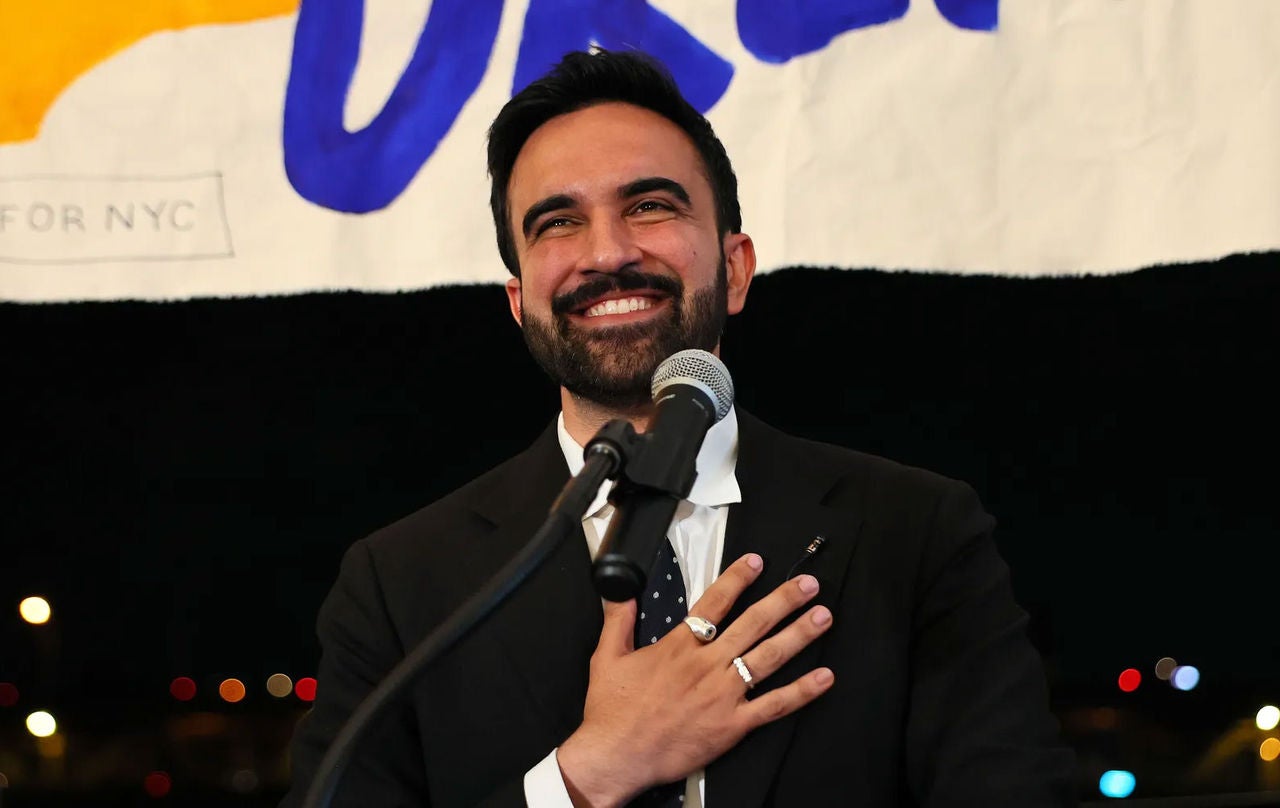
In a political climate where economic pain usually spells disaster for incumbents, New York City Mayor Zohran Mamdani is defying the gravity of his own city’s housing crisis. Despite median asking rents surging to a record $3,785 in the third quarter of 2026—a 4.5 percent jump from last year—voters appear increasingly supportive of his administration. According to a Siena Research Institute poll released Wednesday, Mamdani’s favorability among city residents has climbed to 69 percent, a notable 9-point increase since last month.
This dissonance between the ledger and the ballot box highlights a unique challenge for the Mamdani administration. While New Yorkers are feeling the squeeze of a market where rents are now nearly 28 percent higher than pre-pandemic levels, the mayor’s base remains remarkably loyal. The Siena poll found that 75 percent of Democrats continue to view him favorably, even as the cost of living remains the most pressing issue on the city’s agenda.
The Math of the Rental Squeeze
The numbers behind the current housing crunch are stark. Realtor.com data reveals that demand for smaller units—studios through two-bedrooms—has pushed prices up 7.1 percent year-over-year. For many, the math simply doesn’t add up. Under the standard affordability guideline of spending no more than 30 percent of income on housing, a resident would need to earn $215,000 annually to comfortably afford the median Manhattan rent of $5,375. Yet, U.S. Census Bureau data places the median household income in Manhattan at $106,403, leaving a wide gap that defines the daily experience of the city’s middle and working classes.
This week, we opened 385 new affordable homes in Brooklyn.We’ll soon grow the Innovative Urban Village to 2,000 affordable homes, child care, jobs, a grocery store and a performing arts center.That’s what it looks like to build a city without pricing out the working class. pic.twitter.com/dRqGO3nc9T
The barrier to homeownership is even more prohibitive. Purchasing a median-priced home in the city now carries an estimated monthly cost of $10,737—roughly $7,000 more than renting. With mortgage rates above 7 percent, the path to building equity has become a luxury few can afford.
The cost of buying a typical home is nearly three times the cost of renting, and a mortgage rate above 7% would push that monthly cost even higher. That combination makes it harder for renters to build savings and move toward homeownership.
Jiayi Xu, senior economist at Realtor.com, notes that this growth is broad-based, with even the Bronx seeing a 2.7 percent increase to a median of $3,233. The competition for limited inventory is driving price hikes that consistently outpace the 4.2 percent annual wage growth for private-sector employees.
Policy Levers and Long-Term Stakes
Mamdani’s strategy relies on a mix of immediate relief and a massive, decade-long infrastructure push. The administration’s signature move, a rent freeze for roughly 1 million rent-stabilized units, secured approval in June. Over a 10-year span, the “Block by Block” strategy aims to preserve another 200,000 units while constructing 200,000 affordable homes, supported by a proposed $22 billion investment in housing capital over five years. Whether these projects can materialize fast enough to offset the relentless upward pressure on market-rate housing remains the central question of his tenure.
Twelve neighborhoods with a history of generating minimal new affordable housing were designated by Mamdani on October 1 to join the voter-backed Affordable Housing Fast-Track initiative, which is slated to go into effect in January. These districts, which averaged just 12 affordable homes per district annually over the previous five years, are now slated for a more aggressive development schedule starting in January. To oversee these shifts, the mayor on October 21 nominated five housing and planning experts to the City Planning Commission, signaling an intent to reshape land-use decisions citywide.
The Political Calculus of Affordability
Critics often point out that long-term construction plans provide little solace to a renter facing a double-digit percentage increase on their lease renewal today. However, the data suggests that for a large segment of the electorate, the mayor’s aggressive legislative stance against rising costs is being perceived as a genuine effort to tilt the scales. His unfavorable rating in the city has dropped from 31 percent in September to 28 percent, suggesting that for now, the promise of structural change is holding the coalition together.
As the Federal Reserve holds interest rates steady at the national level, New York remains a distinct outlier. The city is attempting to manage a housing supply crisis while caught in the crosscurrents of a national economy that has yet to offer significant relief on borrowing costs. For Mamdani, the coming months will be a test of whether his policy pipeline can produce tangible, affordable units before the patience of his constituents, however high their current approval rating may be, begins to wane.
Worth a look

Eni and Burlington Stores have been highlighted as Zacks Bull and Bear of the Day
Energy Strength Lifts Eni While Retail Pressures Weigh on Burlington Stores Global energy markets and off-price retail are...

Rhode Island’s two congressmen are poised to taste power – The Boston Globe
Rhode Island’s two junior members of Congress are on the verge of stepping into a level of legislative...

Edgar J. Rojas-Muñoz – Texas A&M University College of Performance, Visualization & Fine Arts
Edgar J. Rojas-Muñoz, an Assistant Professor at the Texas A&M University College of Performance, Visualization and Fine Arts,...

Joey Logano Reveals Heartbreaking Reaction From His Kids After Talladega Flip
NASCAR driver Joey Logano survived a harrowing, multi-car flip during the YellaWood 500 at Talladega Superspeedway, but the...