
Nearly 1.3 million New Yorkers relied on food pantries or free food providers to put meals on the table in a grim reality expected to worsen amid federal SNAP cutbacks, according to a report by the Robin Hood organization and Columbia University.
That tally accounts for about 15% of the city’s population. It surfaces in a new report tracking poverty across the five boroughs, compiled by the Robin Hood organization and Columbia University.
The problem stretches far beyond households with zero income. More than half of pantry users are people who are working or living with a spouse or partner who works.
“Work should be enough to put food on the table. For too many New Yorkers, it isn’t,” Richard Buery, Jr., CEO of Robin Hood, said in a statement.
Buery pointed out that these findings outline conditions before recent federal cuts to the Supplemental Food Assistance Program. Those reductions resulted in 26,500 New Yorkers losing SNAP benefits on Oct. 1.
That means reliance on pantries is only expected to climb. In 2025, more than 30% of New Yorkers—amounting to more than 2.6 million people—experienced food hardship.
Researchers behind the report, titled “Spotlight on Food Assistance and the Poverty Shortfall in New York City,” found that pantry users represent a broad cross-section of the city.
Older adults, families with children, and groups facing elevated poverty rates are more likely to rely on free food.
“Pantry users look a lot like New York City as a whole,” said Christopher Wimer, director of the Center on Poverty and Social Policy at Columbia University, which co-authored the report with Robin Hood.
Wimer added that residents turn to pantries when household budgets are stretched thin and unexpected emergencies knock them off balance.
In an average year, 47% of pantry users experience a major shock to their finances. On top of that, 1 in 5 experience a major health crisis.
Pantries currently lift about 51,000 New Yorkers out of poverty. But researchers emphasize that emergency food providers cannot absorb sweeping cuts to public programs on their own.
“Pantries make a real difference, but our findings also show their limits,” Wimer said. “They complement public food assistance and cannot replace it.”
To close the widening gap, the report recommends added funding for pantries and emergency food providers. It also calls for federal and state tax credits for affected families alongside security enhancements to Electronic Benefit Transfer cards.
Worth a look

MNPD Officers Fatally Shoot Armed Man During Warrant Arrest in Nashville
Metro Nashville Police Department officers fatally shot a 32-year-old armed man who jumped from a second-story apartment window...

Minto Communities’ Latitude Margaritaville Hilton Head Inspired by Jimmy Buffett
Latitude Margaritaville Hilton Head by Minto Communities is inspired by the legendary music and lifestyle of singer, songwriter,...
Mayor Parker and PICA React to Philadelphia’s Record Moody’s Upgrade
Moody's Ratings upgraded the City of Philadelphia to Aa3, marking the first time the city has achieved a...
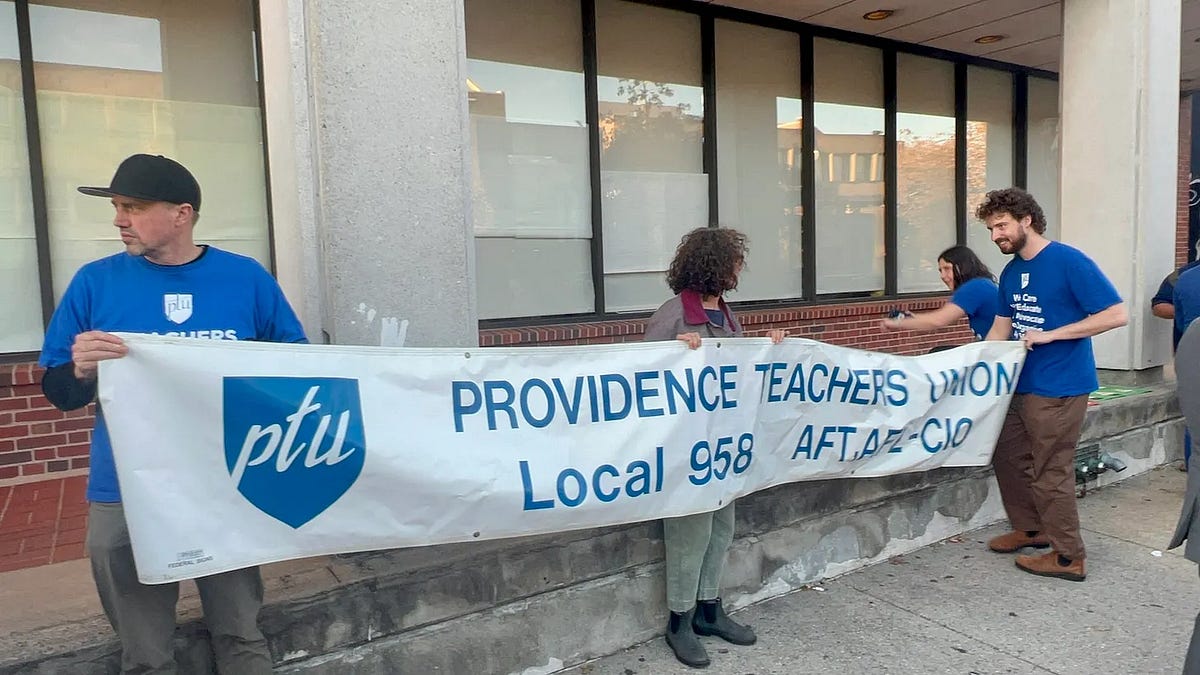
Union Strong Slate Wins Providence Teachers Union Executive Board Election
One thousand three members cast ballots on Monday returning the Union Strong slate to power in a rerun...