
Town Clerks Face Heated Voter Confrontations Ahead of November 3 Election
Vermont’s top state officials urged residents on Monday, Oct. 26, to lower the political temperature following a surge in tense confrontations between voters and local municipal clerks. The friction centers on the integrity of the upcoming general election, driven by anxiety over voting mechanics.
State election officials point to misinformation originating from Washington, D.C., including social media posts from the president regarding how elections operate. Vermont Secretary of State Sarah Copeland Hanzas outlined the pressures facing local offices during a press conference in Montpelier, appearing alongside Phil Scott.
“The rhetoric from people who are agitated and unsure of the process is fueled by a lot of misinformation that’s coming out of Washington, D.C. — daily, nightly social media posts from the president — about how elections work,” said Copeland Hanzas.
State Leaders Draw a Hard Line on Federal Overreach
As the Nov. 3 election approaches, Governor Scott emphasized that Vermont state government and local law enforcement are prepared to take any necessary measures to ensure municipal staff can administer the vote safely. He mentioned that such readiness could involve stopping federal officials from exercising improper sway over the voting procedure, which is managed by the state.

The federal government has taken steps to assert more control over elections during the president’s second term. Federal authorities recently moved to preemptively challenge Alaska’s U.S. Senate election certification if the Republican candidate loses by a narrow margin.
“The U.S. Constitution is clear on this: The elections are the responsibility of the states. We take that very seriously. So, from our standpoint, we will do everything within our power to protect the process — and we will counter anything that comes up,”
Scott told reporters.
Copeland Hanzas confirmed that her office was not aware of any specific threats to polling locations in Vermont as of Monday. She noted that the heated rhetoric remains not centered on any one geographic area.
Early Voting Numbers and Logistical Hurdles
Electoral participation data highlights shifting voter habits this cycle. As of Monday morning, approximately 101,400 Vermonters had already cast ballots for the general election, representing roughly one-fifth of the 500,700 registered voters.
Total early turnout is lower than in recent years. At this identical juncture in 2024, approximately 141,500 ballots had been cast. During the 2022 midterms, that figure was just shy of 113,400 ballots cast.
Turnout is consistently higher in years with a presidential election than in midterm years. According to Copeland Hanzas, another plausible factor for reduced voter trust in postal voting security this year is the president’s efforts to restrict mail-in voting availability, initiatives that have faced setbacks in court thus far.
Compounding these concerns, Governor Scott pointed to well-documented postal delivery delays across Vermont that have left some residents waiting for their ballots. Officials advise anyone who has not yet received a mail-in ballot to visit their local clerk’s office directly to complete an early vote on-site.
Contingency Planning for Polling Day Security
Behind the scenes, Montpelier is readying responses for multiple contingencies ahead of next week. Local preparations factor in communication interruptions like power and internet failures, potential violence directed at election staff, and the sudden presence of federal immigration officers at voting sites.
Earlier this month, the administration clarified it would not send U.S. Immigration and Customs Enforcement agents to polling locations around the country en masse, though federal officials would not rule out their presence entirely. Copeland Hanzas noted that local authorities would be unlikely to get much if any heads up about such federal activity.
To safeguard the infrastructure itself, the Vermont Agency of Digital Services has implemented extra security measures this year to defend the secretary of state’s website and digital election platform against cyber threats. Meanwhile, state officials have conducted coordinated briefings with local clerks, municipal police departments, and the Vermont State Police.
The purpose of these meetings is to develop a mutual understanding of guidelines regarding voter observation locations, permissible conduct, and allowable activities at polling places. While federal law bars the military or federal officials from stationing “troops or armed men” at polling locations, federal agents are generally allowed to operate in any public place that’s near a polling station. Local law enforcement agencies stand ready to uphold Vermont law as voters head to the polls on Nov. 3.
Keep reading

Obama and Trump spar at rallies in Georgia and Ohio: Key takeaways – Al Jazeera
Rivals Clash Over Iran, Tariffs, and Inflation in Midterm Campaign Trail Showdown Former US President Barack Obama and...
Law Office Assistant | Jacksonville, Florida – LHH
A busy Jacksonville law firm is currently seeking a dependable Law Office Assistant to manage front-desk operations, vendor...
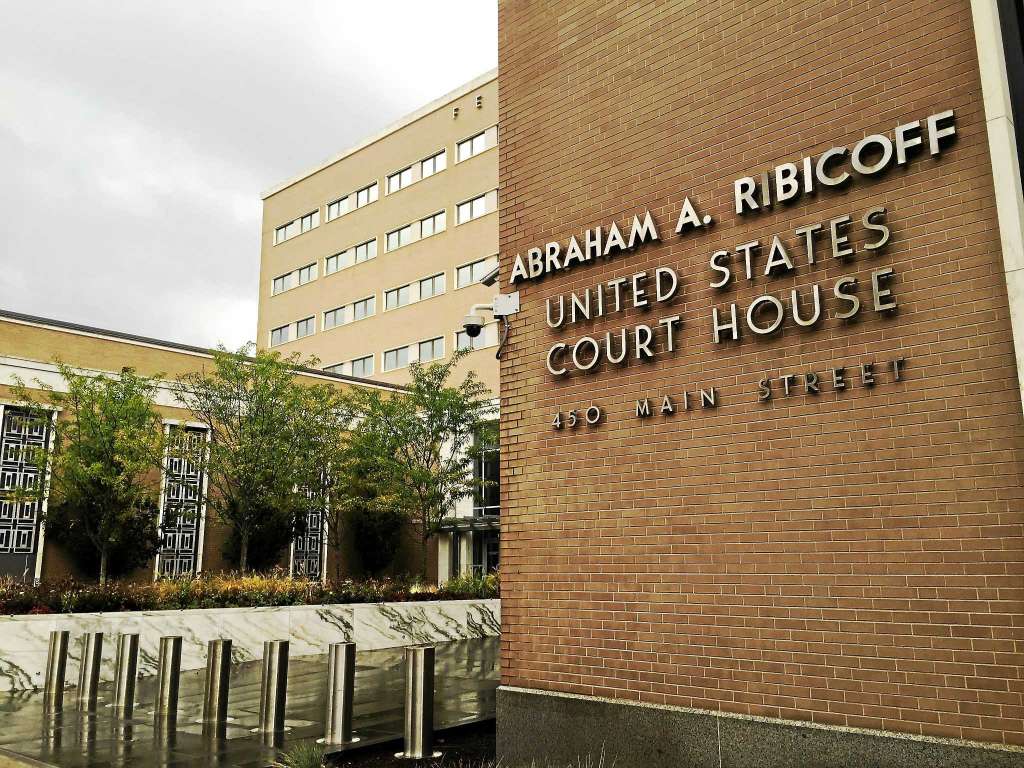
Man sentenced to 4 years in Danbury kidnapping tied to alleged $245M crypto heist
A 23-year-old St. Louis man received a four-year federal prison sentence on Wednesday for his role in a...

Northbound I-25 closing overnight in south metro Denver after construction ‘complication,’ CDOT says
Northbound Interstate 25 in Lone Tree will face overnight closures on Wednesday and Thursday as construction crews work...