In a column for the New Haven Register, Ashley Vasquez argues that a missing form should not cost anyone their health insurance.
She writes that when new federal work requirements take effect on Jan. 1, 2027, 110,000 Connecticut residents could eventually lose their coverage.
To protect these citizens, Vasquez urges state leaders to finish expanding Connecticut’s data-matching system and use it to automatically renew coverage for HUSKY D enrollees before a temporary reprieve runs out. That reprieve, a federal “hold-harmless” period, was announced this month by Gov. Ned Lamont and the Department of Social Services.
The hold-harmless period runs from Jan. 1 through June 30, 2027. During this time, otherwise eligible HUSKY D members will not lose coverage solely for failing to meet the work requirements. The state calls it a one-time extension, which Vasquez says delays the deadline without fixing the system.
Adults on HUSKY D, the state Medicaid program for low-income adults without dependent children, must document at least 80 hours a month of work, job training, or community service, or earn at least $580 a month. Vasquez argues the main threat to eligibility isn’t unwillingness to work, but the red tape required to prove it.

The state comptroller’s office projected last year that between 100,000 and 200,000 residents could lose coverage, warning that many people who meet the requirement will still lose it because of the new paperwork.
Vasquez illustrates the problem with personal examples. A 19-year-old college student with severe asthma lost coverage for nearly a year after an automated review following a marital status update. A 20-year-old lost her job but had her coverage denied because state systems relied on prior-year tax filings showing income above the threshold. A freshman lost coverage for about two months because her family missed a notice.
Local communities are already preparing for the impact. In Stamford, Stamford Health’s CEO estimates that 4,000 to 8,000 residents risk losing coverage, prompting the city and hospital to launch a task force with local nonprofits.
Residents exempt due to “medical frailty” are at particularly high risk. The Department of Social Services estimated about 57,000 residents would qualify for these exemptions, which require a diagnosis that the condition significantly limits a person’s ability to work.
Vasquez says Connecticut still has time to automate renewal before the hold-harmless period ends on June 30. The state should expand its data-matching system by using SNAP records, Department of Labor wage reports, and state disability registries. Arkansas already checks state wage and workforce records to verify compliance automatically, a model Connecticut can follow.
The investment will cost less than the alternative, she argues. When working adults lose preventive care, unmanaged chronic conditions push them into emergency rooms, shifting uncompensated costs onto hospitals and taxpayers. The Connecticut Hospital Association reports that hospitals already absorb about $1.4 billion a year in Medicaid losses.
The clock is ticking. State leaders have six months of breathing room, and they should not waste it.

Oklahoma Voters Shift Left in November Election Despite GOP Wins, OU Research Finds
Oklahoma voters shifted left in November's general election even as Republicans held every statewide office, according to research...
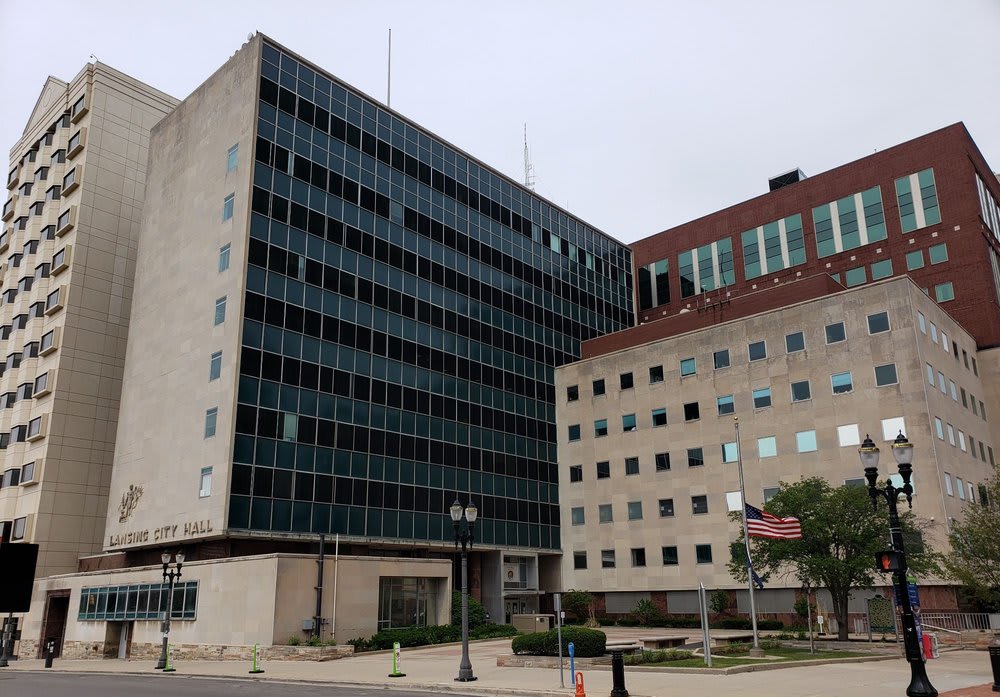
Lansing Skyline Traces Century From Art Deco Tower to Mass-Timber Building
Lansing's downtown skyline and public spaces trace a century of architectural ambition, from a 1929 Art Deco tower...
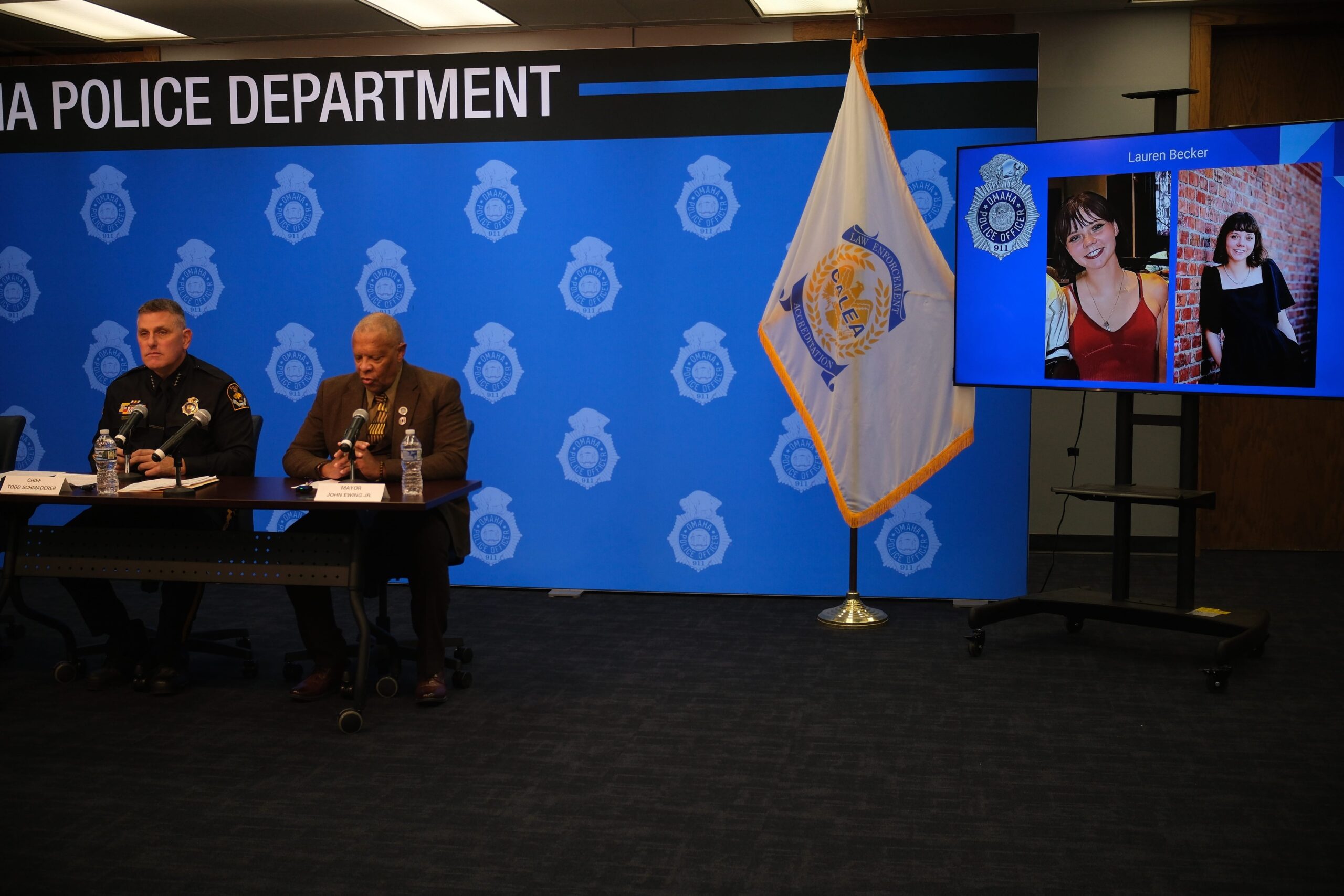
French National Arrested in Omaha Stabbing Death of Lauren Becker
A teacher closed the blinds of a glass classroom window as Lauren Becker, 22, lay dying in the...

Giants Face Colts in NFC East Showdown at Lucas Oil Stadium
The New York Giants (6-3-1) travel to Lucas Oil Stadium on Sunday to face the Indianapolis Colts (3-8)...