
A Culinary Rebound: 16 New Spots Refresh the New Orleans Dining Scene
After a sluggish summer season that left many local restaurateurs bracing for a quiet autumn, the New Orleans dining landscape has undergone a sudden and eclectic transformation. Between September and the first week of November, at least 16 new restaurants opened their doors across the city, signaling a robust recovery for the local hospitality sector, as reported by NOLA.com. From historic French Quarter buildings to high-traffic drive-thrus in Mid-City, the rapid pace of expansion highlights a city that continues to lean into its identity as a culinary incubator.
The recent wave of openings suggests that the city’s restaurant ecosystem is diversifying in real-time. This growth is driven by a mix of local veterans, culinary transplants bringing regional traditions from their upbringings, and successful pop-ups finally securing permanent brick-and-mortar storefronts. Whether it is a rotating sushi belt in the downtown core or a late-night ramen shop on St. Claude Avenue, the new arrivals are filling geographical and cultural gaps that had long remained vacant.
From Pop-Up Carts to Permanent Counters
The transition from mobile operations to fixed locations remains one of the most significant trends in the current New Orleans market. For instance, Shawn Wee, a Singapore native who spent 2024 serving ramen from a handmade cart outside AllWays Lounge and Seacave, has officially launched Wukong Ramen Midnight Diner. The restaurant now occupies a permanent space on St. Claude Avenue, catering to late-night crowds on Friday and Saturday evenings.
Similarly, Little Aloha Hawaiian Barbecue has moved from its origins as a pop-up in Bywater and Uptown bars to a dedicated space on Tulane Avenue. Owner John McSpadden is leaning into a tropical, dive-bar aesthetic, serving Spam musubi and pulled pork to a growing customer base. This shift is mirrored by Katya Simkhovich’s Dom Zakuski in the Marigny. What began as a Slavic snack-focused pop-up at Anna’s bar has evolved into a full-scale restaurant featuring Siberian pelmeni and rye bread with dill butter.
Hotels and Historic Renovations
Large-scale hospitality projects are also contributing to the recent surge, particularly in the hotel sector. The Fairmont New Orleans recently opened its doors, unveiling Delmonico Steakhouse and the Café by Emeril in partnership with the Emeril Group. More luxury hotels now offer high-end dining to attract visitors and locals.
The Four Seasons Hotel New Orleans has also expanded its footprint with Trattoria Varco, which focuses on Italian recipes integrated with local Gulf seafood. Meanwhile, in the Lower Garden District, the historic mansion housing The Whit boutique hotel now features Salon, a restaurant specializing in small bites like duck fat potato pavé. These hotel-adjacent restaurants serve as an economic anchor, often providing a level of stability that smaller, independent operators sometimes struggle to maintain in the face of seasonal tourism fluctuations.
The growth of an eclectic local restaurant scene is mirrored by these new additions, which showcase an ongoing diversification and evolution as temporary pop-ups establish themselves as permanent venues, culinary newcomers introduce the foods of their backgrounds, and local chefs safeguard the classic dishes that first established the city’s reputation.
The Economic Stakes of Rapid Diversification
While the influx of new eateries is a positive indicator of consumer confidence, the competitive pressure on existing businesses is intensifying. As reported by Chilichili.net, at least 16 restaurants have opened across New Orleans between September and the first week of November, reflecting a diversifying local dining scene that includes Japanese-inspired conveyor belt sushi and Peruvian cuisine. For the consumer, this means an unprecedented level of choice, but for the business owner, it necessitates a sharper focus on concept-driven dining.
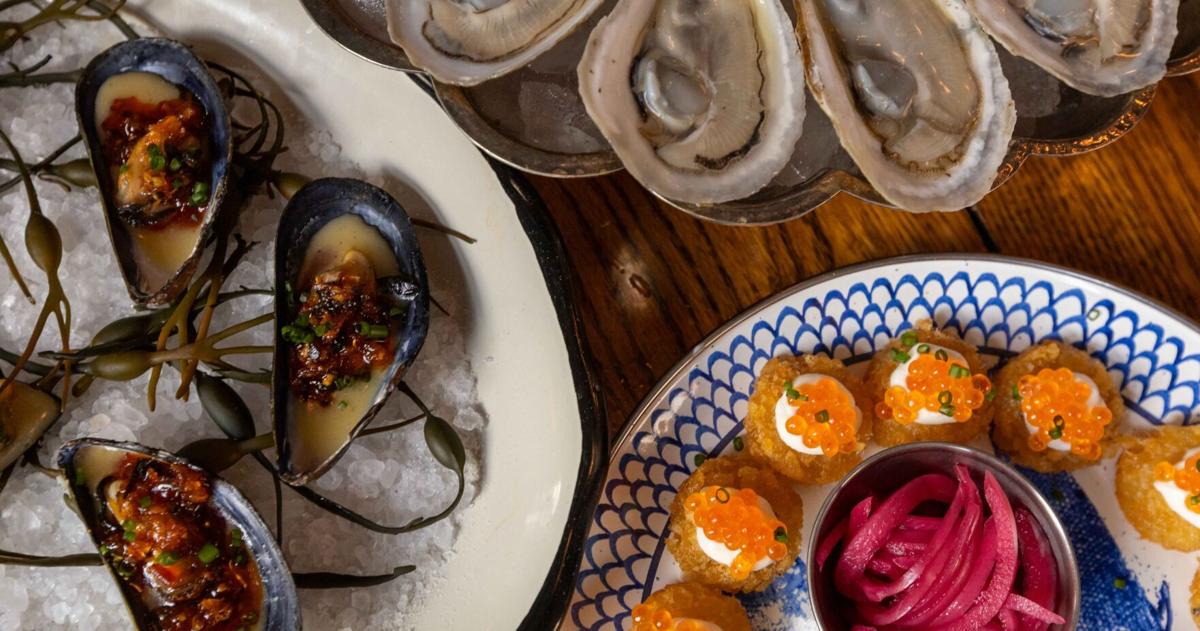
The survival of these establishments often depends on their ability to bridge the gap between tourist demand and local loyalty. Concepts like the Pincus brothers’ Holywater, which brings a New York-inspired oyster and gumbo menu to a French Quarter building dating back to 1837, are clearly aiming for that middle ground. By anchoring their menus in familiar New Orleans staples while introducing novel service styles, these operators are betting that the city’s appetite for innovation is currently outpacing the lingering effects of the summer slowdown.
As the city moves into the busy winter season, the success of these 16 newcomers will provide a crucial bellwether for the health of the local economy. Whether they are serving classic Sazeracs or modern martinis, these restaurants are not just adding to the city’s calorie count; they are rewriting the narrative of a dining scene that refuses to stagnate.
Related reading

Anchorage Unveils Alaska’s first outdoor SaveStation at Kincaid Park
Anchorage Unveils Alaska's First Outdoor 'SaveStation' to Turn the Tide on Cardiac Arrest In a heartbeat, everything can...

Georgia Tech men’s tennis players head to ITA South Sectionals
Two weekends stand between Georgia Tech’s men’s tennis team and the quiet of the off-season, and both are...

How Gen X Can Bridge the Gap Between Retirement Savings and Emergency Funds Through Automation
Gen X's Automated Retirement Masks an Emergency Savings Crisis Generation X has mastered the art of automated retirement...

Managing Chronic Neck and Shoulder Pain with Chiropractic Care
Chronic Neck and Shoulder Pain: A Cheyenne Struggle with Real Solutions Here in Cheyenne, it’s a story we...