
The Unbroken Glass Ceilings Across America’s Statehouses and Senate
Seventeen states have never had a woman governor, and 15 states have never been represented by a woman in the U.S. Senate, according to a Pew Research Center analysis published on October 28, 2026. The data, drawing from Rutgers University’s Center for American Women and Politics and historical records, highlights enduring gaps in state-level executive and federal legislative leadership ahead of the fall midterm elections.
While women now hold a record 27 seats in the U.S. Senate and serve as governors in 14 states, the geographic distribution remains stark. Four states—Colorado, Idaho, Indiana, and Pennsylvania—have never had a woman serve as either governor or U.S. senator. Every state, however, has eventually sent at least one woman to Congress through either the House or the Senate, with Vermont marking that milestone in 2022.
Gubernatorial Firsts on the 2026 Ballot
This year’s midterm elections feature several races that could erase those historical blanks. In Minnesota and Tennessee, major-party nominees for governor are exclusively women, guaranteeing that the winner of each race will become her respective state’s first female governor. Minnesota’s matchup pits Democratic U.S. Amy Klobuchar against Republican state House Speaker Lisa Demuth, who debated on October 21 at the KTTC/KXLT studio in Rochester. In Tennessee, Republican U.S. Marsha Blackburn faces Memphis City Council member Jerri Green, a Democrat.
Three additional states feature major-party nominees aiming for similar milestones. Democrat Keisha Lance Bottoms in Georgia, Democrat Terri Pickens in Idaho, and Republican Stacey Garrity in Pennsylvania all appear on their state’s general election ballots. Bottoms’ candidacy carries an additional historical layer: if elected, she would become Georgia’s first Black governor and the nation’s first Black woman governor. Meanwhile, Ohio presents a distinct case. While Nancy Hollister served as interim governor for less than two weeks in late 1998 following George Voinovich’s election to the Senate, Democratic nominee Amy Acton could become Ohio’s first elected woman governor.
Shifting Dynamics in the U.S. Senate
In the upper chamber, women hold 27 of the 100 seats, comprising 16 Democrats and 11 Republicans. These lawmakers represent 23 states, with Minnesota, Nevada, New Hampshire, and Washington currently represented by two women senators each. Over half of the 22 states that have ever sent a woman to the Senate have elected more than one.
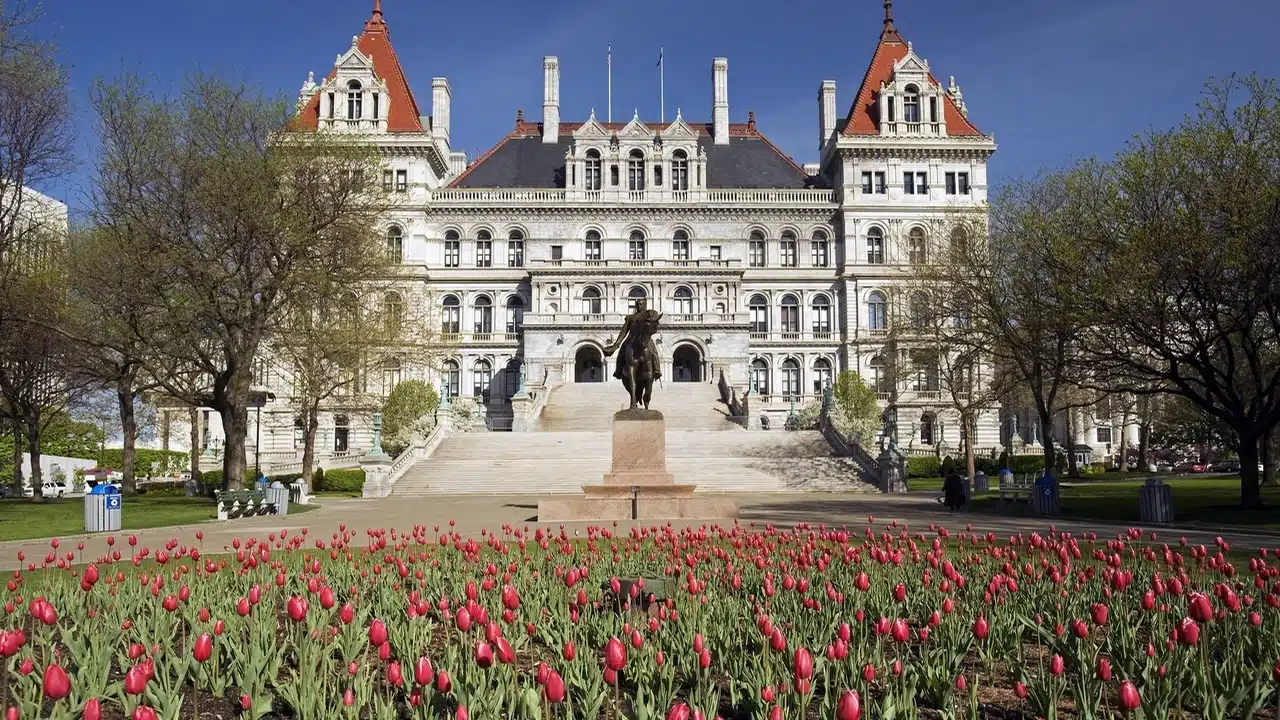
California leads the nation by sending four women to the chamber, including long-serving fixtures such as the late Dianne Feinstein, who served from 1992 until her death in 2023, and Barbara Boxer, whose tenure lasted from 1993 to 2017. At the federal level, historical records maintained by the U.S. Senate document the slow ascent of women into the legislative branch, beginning with Georgia suffragist Rebecca Latimer Felton’s symbolic one-day appointment in 1922.
Among the 15 states that have never sent a woman to the Senate, two feature Democratic women nominees on the ballot: Alani Bankhead in Montana and N’Kiyla Thomas in Oklahoma. As voters head to the polls, the outcome of these races will determine whether decades-old structural boundaries in state governance and federal representation shift permanently.
Keep reading
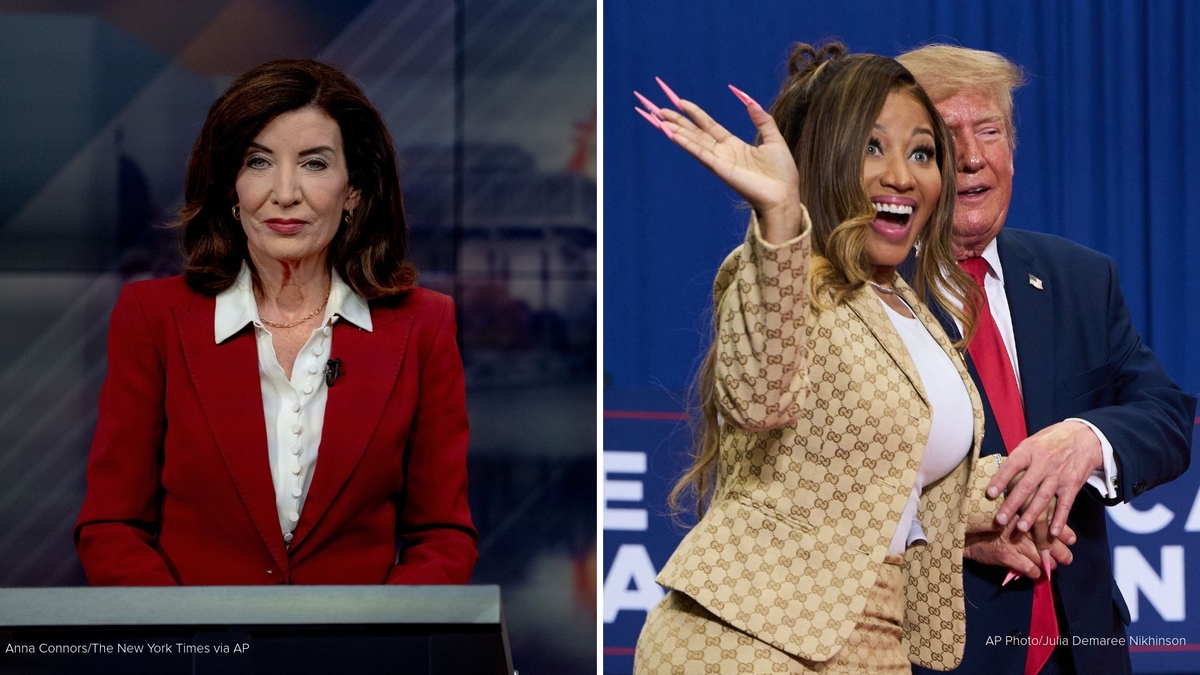
New York Governor Kathy Hochul responds after rapper Nicki Minaj calls her ‘evil
Rapper Nicki Minaj and New York Governor Kathy Hochul Trade Sharp Words in Final Days of Campaign New...

As Above, So Below Distillery | Santa Fe Spirits – New Mexico Magazine
Magic, Botanicals, and High-Rye Bourbon in Santa Fe Caley Shoemaker never expected a surplus of neighborhood fruit to...

Amick Farms expands South Carolina footprint with new Edgefield County operations
Amick Farms Invests $54.78 Million to Build Trenton Hatchery Amick Farms is expanding its South Carolina footprint with...

Log in | Nevada Portal
A Centralized Digital Hub for Case Management Litigants, attorneys, and the public now have access to a centralized...