In the quiet, pine-scented landscape of Sunriver, Oregon, the 2026 Howard Cherry Awards Banquet served as a reminder that the backbone of the state’s education system isn’t just found in lecture halls or digital portals. It is held together by a network of board members, administrators, and advocates whose work often goes unnoticed until a program is on the verge of collapse or a student hits a bureaucratic wall.
The gathering, held on November 5 during the Oregon Community College Association (OCCA) Conference, recognized a collective 168 years of board service across 14 individuals. While the evening celebrated specific accolades, the underlying narrative was one of institutional resilience. From the survival of women’s leadership programs to the persistent, often granular work of reforming transfer pathways, the event underscored how personal commitment shapes public policy.
The Human Infrastructure Behind Oregon’s Colleges
Among the most significant recognitions was the Cam Preus Award, presented to Dr. Kristina Holton of Oregon Coast Community College and Amy Burbee of Linn-Benton Community College. Their work centered on the Oregon Institute for Leadership Development (OILD), a program that hit a precarious crossroads during the pandemic. By stepping in to sustain the 35-year-old initiative, Holton and Burbee preserved a vital professional network for women in higher education.
The stakes here are not merely professional; they are structural. As these institutions navigate fluctuating enrollment cycles and shifting state funding priorities, the “sisterhood” described by the recipients acts as a stabilizer. It is a classic case of institutional memory preservation: when the formal mechanisms of an organization are strained, the informal networks of its people often prevent the system from fracturing.
“This is what OILD is. It’s a community. It’s a network. It’s a sisterhood of community college professionals who believe in lifting one another up,” Holton and Burbee noted during their acceptance.
Addressing the Barriers to Student Success
While some leaders focused on internal development, others were recognized for their direct impact on the student experience. Dave Jensen, a board member at Klamath Community College, received the Chuck Clemans Award, a recognition earned largely through his dogged focus on the “friction” students face when transferring credits between institutions. His work highlights a recurring tension in higher education: the gap between academic intent and administrative reality.

For students, those lost credits represent more than just a clerical error; they represent lost time, increased tuition costs, and a higher probability of dropping out before degree completion. Jensen’s approach—asking persistent questions until a policy change is forced—serves as a reminder that board governance is most effective when it is skeptical of the status quo.

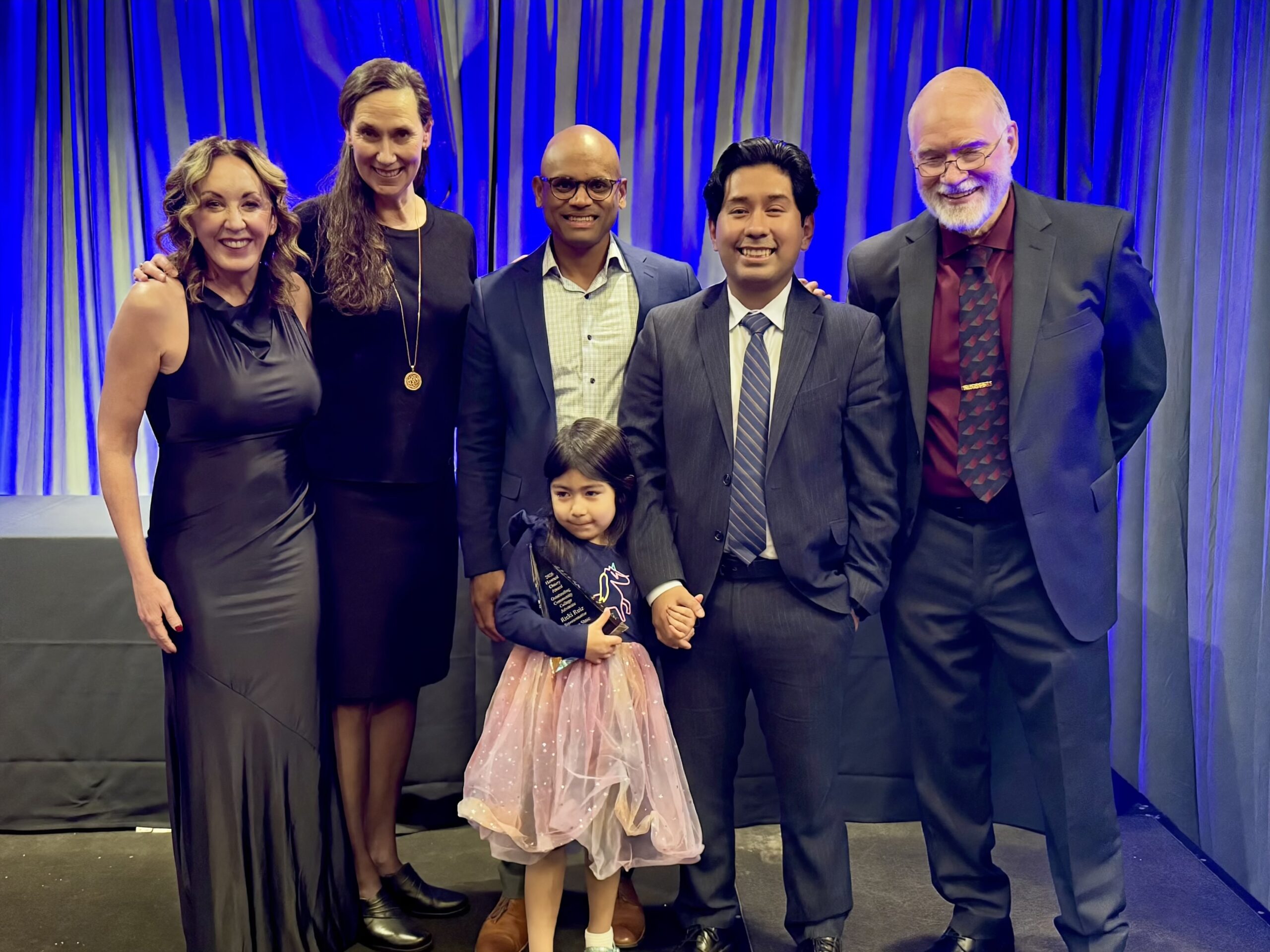
Similarly, the recognition of State Representative Ricki Ruiz as Outstanding Community College Advocate provided a moment of reflection on the socioeconomic realities of today’s student body. Ruiz, who serves the East Multnomah County area, spoke of his own family’s history with community colleges, specifically his mother’s experience navigating language barriers and the fear of immigration enforcement. His advocacy for funding and support services is informed by these lived experiences, bridging the divide between the legislature in Salem and the daily realities of students balancing work and caregiving.
The Measured Growth at Blue Mountain
The evening also highlighted the turnaround of Blue Mountain Community College (BMCC). Dr. Mark Browning, who arrived at BMCC in 2021 during a period of acute institutional uncertainty, was honored as the Outstanding Community College Administrator. The metrics of his tenure—balanced budgets, restored academic departments, and renewed enrollment growth—provide a clear case study in crisis management.
Browning’s reflection on starting his own college education at age 39 while raising a family offered a grounded perspective on the demographic the system serves. Community colleges in Oregon are currently tasked with a dual mandate: they must act as engines of regional workforce development while remaining accessible to non-traditional students who often lack the luxury of a linear academic path.
As the banquet concluded, the focus shifted to the work still ahead. While the awards recognized past service, the OCCA conference itself is a testament to the ongoing coordination required to keep these 17 institutions functional. The open question remains: how will these colleges adapt as workforce demands accelerate and the student population becomes increasingly diverse? For now, the answer seems to lie in the hands of the individuals who view board service not as an honorary title, but as a commitment to maintaining the primary gateway for economic mobility in the state. You can track the ongoing legislative efforts of Representative Ruiz and his colleagues at the official Oregon Legislative website.

Short Term Camp Administrator Training Certification Course
Chief Seattle Council Sets New Training Standards for Short-Term Camping The Chief Seattle Council is formalizing its administrative...

Molecular profiling and tumor boards face gaps in biliary tract cancer care
The Structural Gap in Modern Liver Cancer Care The traditional tumor board model, long considered the gold standard...

How Classical Christian Education Prepares Students for Success in STEM
Classical Christian Education and the STEM Pipeline When parents look toward the future of their children in science,...

College Football Experts Predict Oregon vs. Ohio State Matchup
The Big Ten Showdown Between Oregon and Ohio State College football fans have had November 6, 2026, circled...