Classical Christian Education and the STEM Pipeline
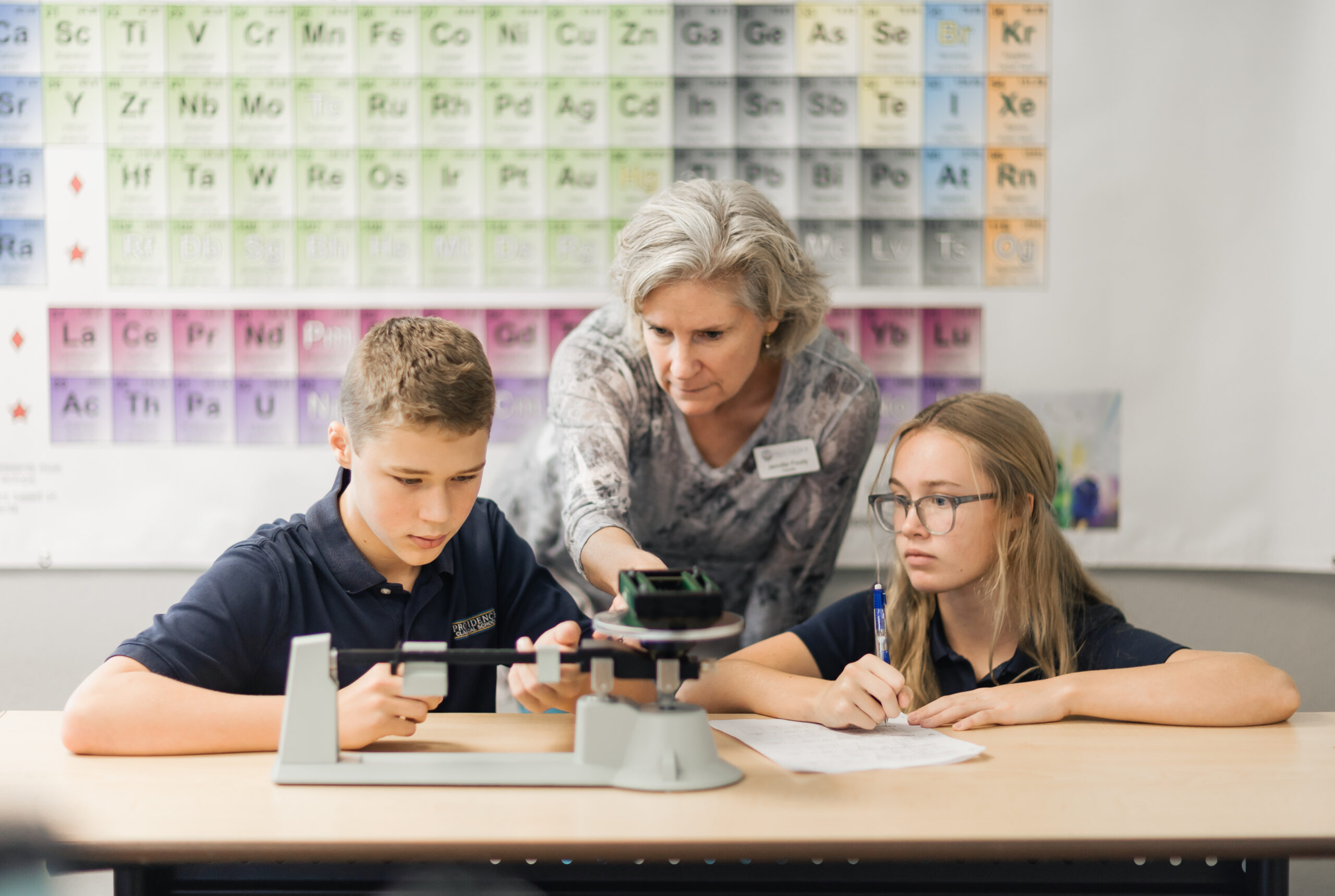
When parents look toward the future of their children in science, technology, engineering, and mathematics (STEM), the immediate mental image is often one of high-tech labs, complex algorithms, and rapid-fire coding. Yet, a growing movement of educators argues that the most critical preparation for these fields isn’t found in a specific software suite or a specialized science track, but in the foundational habits of a classical Christian education. As Providence Classical School (PCS) reported in its recent outreach, the ability to solve the problems of tomorrow requires a capacity for deep thought that precedes technical training.
This perspective challenges the prevailing notion that STEM success is purely a product of early and narrow specialization. While a rigorous grasp of mathematics and science is essential, the professionals who actually drive innovation—scientists, engineers, and physicians—frequently find that their success hinges on their ability to communicate, reason, and adapt to unfamiliar challenges. This is where the classical model, with its historical focus on the liberal arts, begins to diverge from standard modern curriculum.
The Grammar, Logic, and Rhetoric of Scientific Reasoning
The classical approach organizes intellectual development into three distinct stages: Grammar, Logic, and Rhetoric. Each stage serves as a building block for the next, creating a scaffold for complex scientific inquiry. In the Grammar stage, students focus on the observation and acquisition of knowledge, establishing the vocabulary and foundational patterns of the world. This is not merely rote memorization; it is the essential observation phase required for any budding researcher.
As students transition to the Logic stage, they move beyond the “what” and begin to explore the “why.” They are taught to identify logical fallacies, test the validity of arguments, and distinguish sound reasoning from faulty assumptions. For a student later tasked with troubleshooting a complex piece of code or interpreting an unexpected experimental result, these skills are transformative. The transition to the Rhetoric stage completes the cycle, teaching students how to synthesize their findings, construct a persuasive argument, and communicate their conclusions with clarity.
Communication as a Technical Skill
Perhaps the most unexpected aspect of this educational model is its heavy emphasis on writing and public speaking as core STEM competencies. As Providence Classical School highlighted, a brilliant engineering solution is of little value if the person who designed it cannot explain its efficacy to stakeholders or peers. In the classroom, this is reinforced through rigorous assignments like the Senior Thesis, where students must research, present, and defend their work before an expert panel.
“Early in my career as an engineer working for a scientific research company, I was told by my boss that the most important skill I could develop to contribute to my success at the company was the ability to write well,” said Christian Corley, a high school math and science teacher at Providence Classical School.
This sentiment is echoed by alumni who have moved into the workforce. Ryan Fowler, a member of the PCS Class of 2024 now majoring in Electrical Engineering at Texas A&M University, noted that the communication requirements of his engineering program were significant. He found that the classical training he received in organizing thoughts and supporting claims with evidence gave him a distinct advantage over peers who had focused exclusively on technical coursework.
Addressing the Misconception of the Humanities Gap
A common critique of classical education is that its heavy investment in history, philosophy, and the “Great Books” must necessarily lead to weaker outcomes in math and science. However, Veritas Academy, in a recent segment of their Cultivate podcast, addressed this directly. Rhonda Forbes, the school’s Dean of Math and Science, and upper school teacher Bill Lauris described this assumption as a “gross misconception.”
The argument from schools like Veritas Academy is that an integrated view of subjects—where mathematics is understood alongside music, geometry, and the sciences—actually provides a more robust platform for learning. Rather than compartmentalizing knowledge, students are encouraged to see the order and patterns inherent in both the liberal arts and the physical sciences. This framework allows students to appreciate the ethical implications and the broader human context of their technological work, an increasingly relevant skill as society grapples with the rapid development of artificial intelligence and biotechnology.
The Real-World Stakes of Intellectual Curiosity
The ultimate goal of this pedagogical shift is to cultivate students who are not just technicians, but thinkers who possess intellectual curiosity. In a field like science, the breakthrough often occurs because someone was willing to question a long-held assumption or look at a set of data from a new angle. By teaching students to look beyond the surface of a textbook, classical schools aim to produce graduates who are equipped to handle problems that have not yet been defined.
For parents and students, the choice between a hyper-specialized technical education and a classical liberal arts foundation is no longer a simple binary. As the demands of the modern workforce shift toward adaptability and high-level communication, the classical model offers a different path: one that prioritizes the “how” of thinking over the immediate “what” of current technology. This approach suggests that the best way to prepare for the future is to master the timeless arts of logic and language, ensuring that when the technology inevitably changes, the student remains capable of learning the next iteration.
Related reading

Short Term Camp Administrator Training Certification Course
Chief Seattle Council Sets New Training Standards for Short-Term Camping The Chief Seattle Council is formalizing its administrative...

Molecular profiling and tumor boards face gaps in biliary tract cancer care
The Structural Gap in Modern Liver Cancer Care The traditional tumor board model, long considered the gold standard...
2026 Howard Cherry Awards Celebrate Excellence in Oregon Community Colleges
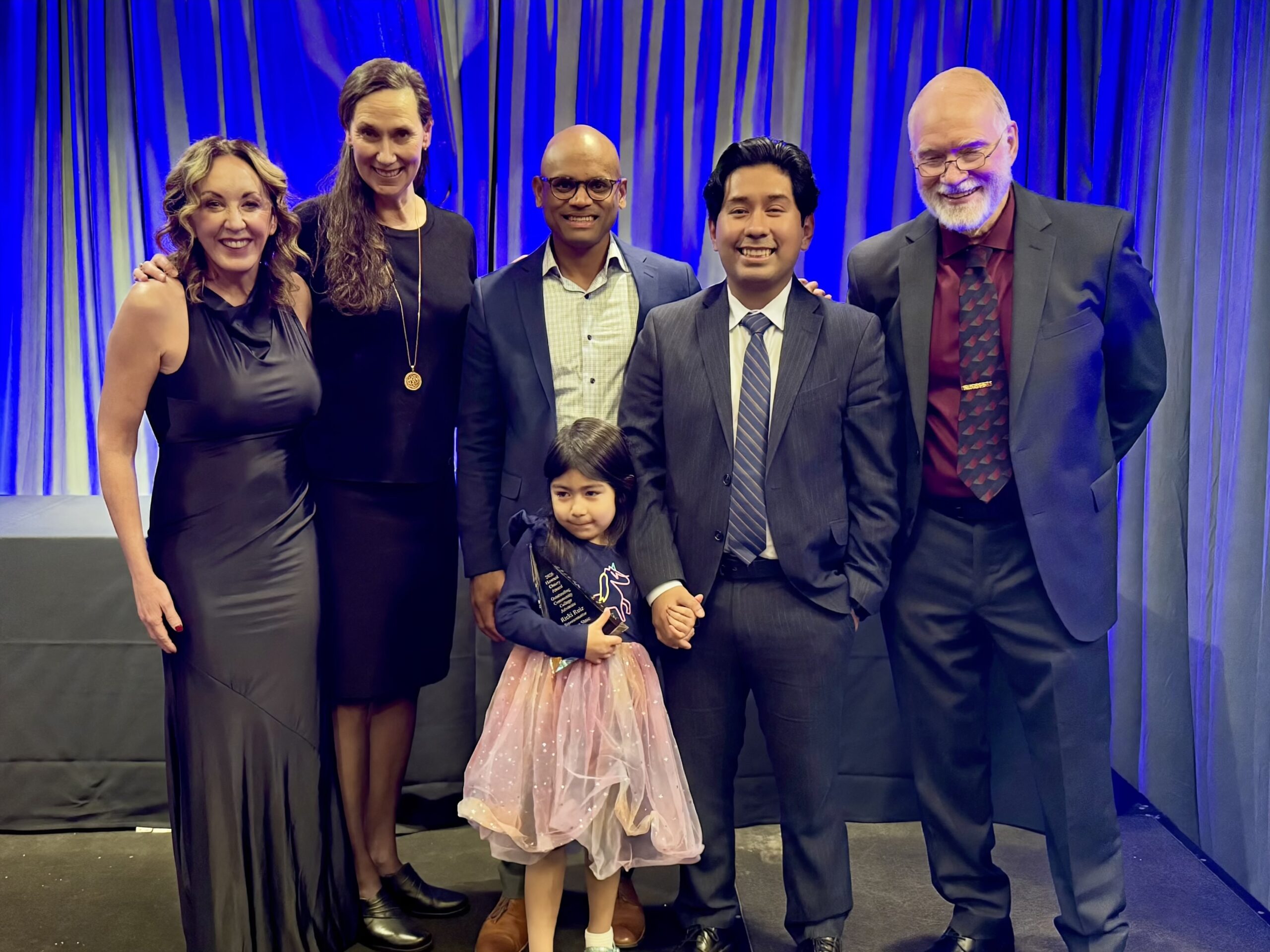
In the quiet, pine-scented landscape of Sunriver, Oregon, the 2026 Howard Cherry Awards Banquet served as a reminder...

College Football Experts Predict Oregon vs. Ohio State Matchup
The Big Ten Showdown Between Oregon and Ohio State College football fans have had November 6, 2026, circled...