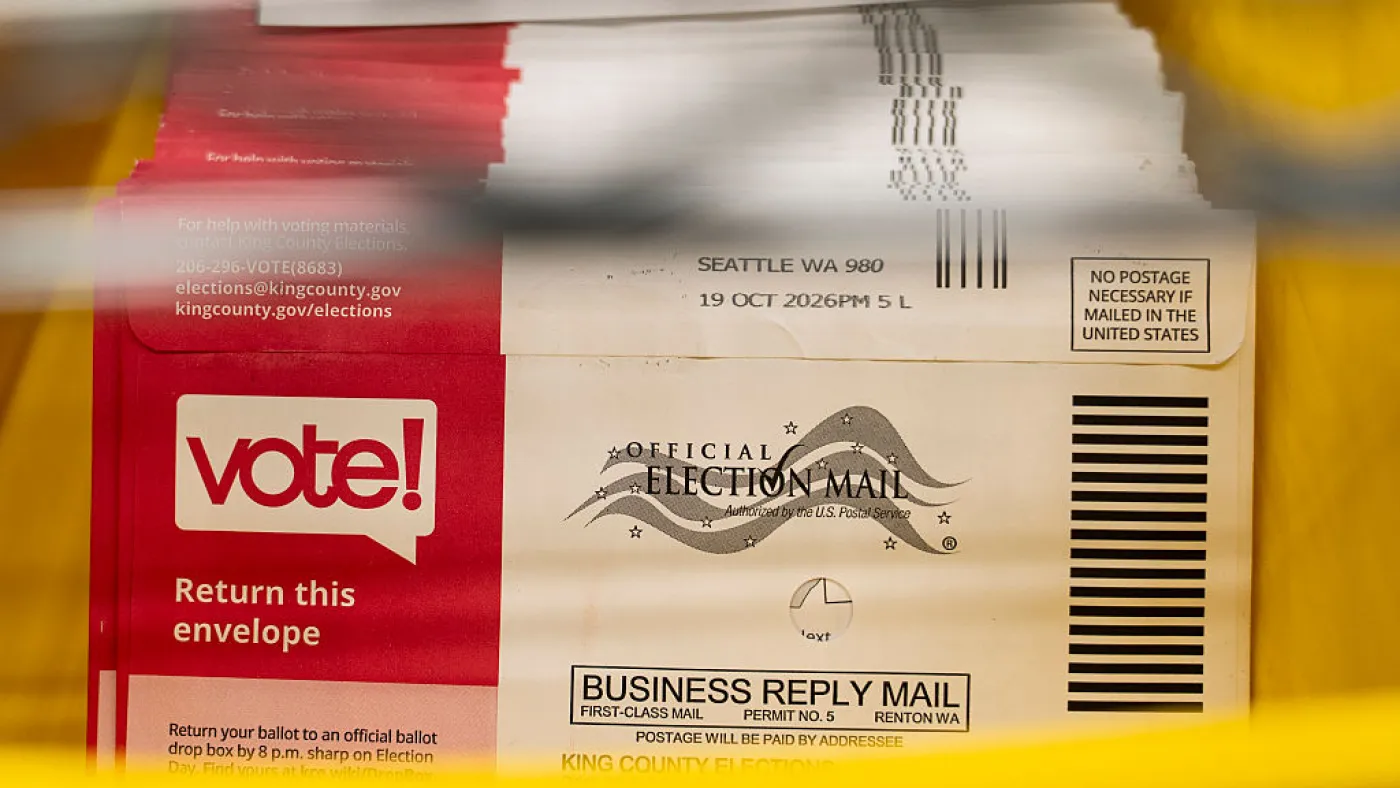
Voters across the country are facing decisions on dozens of gubernatorial contests, fierce congressional battles, and high-stakes ballot measures addressing abortion access, LGBTQ+ rights, and tax policy as the clock winds down to Election Day on November 3, 2026. With mail-in voting already underway in states like Washington—where election workers began processing ballot envelopes at the King County Elections headquarters in Renton as early as October 23—local public media networks have assembled comprehensive regional voter guides to help communities navigate their ballots.
Beyond the heavyweight national Senate and House matchups drawing millions in advertising dollars, local public media stations affiliated with NPR have rolled out specialized tools, candidate comparisons, and localized reporting. These state-by-state resources break down complex regional questions that rarely make national cable broadcasts but directly impact daily life.
State and Regional Voting Resources Available Now
To help voters sort through statewide races, constitutional amendments, and municipal bond measures, NPR member stations across the country have published detailed directories. Depending on where you live, these portals offer targeted insight into what will appear on your specific ballot:
- Alabama: Access the 2026 Election portal via Alabama Public Radio.
- Alaska: Explore voting guides provided by Alaska Media and the 2026 Alaska Voter Guide from KTOO Public Media.
- Arizona: Utilize the statewide voter guide from KJZZ, complete election coverage from Arizona Public Media (AZPM), and localized reporting covering Maricopa County.
- Arkansas: Review the general election guide from KUAF, alongside regional reporting tracking competitive political shifts.
- California: Consult comprehensive resources including the statewide voter guide from KQED, The LAist Voter Game Plan for Los Angeles and Orange counties, San Diego coverage from KPBS, and analysis from CalMatters.
- Colorado: Check the voter guide from Colorado Public Radio, alongside localized reporting from Denverite and Southern Colorado coverage via KRCC.
- Connecticut & Delaware: Review voter guides published by WHSU in Connecticut and WHYY in Delaware.
- Florida: Access extensive multi-station resources, including statewide guides from WUSF and WLRN, early voting details from WUFT in North Central Florida, the South Florida Amendments Guide, and coverage from Central Florida Public Media.
- Georgia: Explore the GPB voter guide and WABE’s Georgia Voter Guide, which run alongside broader national coverage examining voter sentiment on the war in Iran, rising costs, and Donald Trump’s record.
- Hawaii & Idaho: Find local voter guides through Hawaiʻi Public Radio and Boise State Public Radio.
- Illinois & Indiana: Look into St. Louis regional guides covering Illinois and Missouri, state info from WSIU, and Indiana guides via WYFI and Indiana Public Radio.
- Iowa & Kansas: Consult Iowa Public Radio for congressional race breakdowns, and check KCUR for Kansas City area guides and local judicial vote guides.
- Kentucky & Louisiana: Review guides from Kentucky Public Radio and WKMS, specialized Spanish-language voting guides for Ohio and Kentucky via WVXU, and local election guides from WRKF in Baton Rouge and WWNO in New Orleans.
- Maine, Maryland & Massachusetts: Access the Maine Voter Guide, WAMU’s Maryland Midterm Voter Guide, and WBUR’s Greater Boston and Massachusetts resources.
- Michigan: Utilize Michigan Public’s master midterm guide, candidate stance breakdowns, Supreme Court candidate profiles, and regional reporting from WKAR in East Lansing and WDET in Detroit.
- Minnesota & Missouri: Check northern Minnesota’s voter resources from KAXE alongside MPR News’s Build Your Ballot tool, while Missouri voters can consult KCUR, KUAF, and St. Louis Public Radio guides covering local judicial retention elections.
- Montana, Nebraska & New Hampshire: Review Montana Public Radio, Nebraska Public Media’s Campaign Connection 2026, and New Hampshire Public Radio’s ballot question explainers covering probate registers and school tax caps.
- New Jersey, New Mexico & New York: Find resources via WHYY in New Jersey, KUNM in New Mexico, and a robust network of New York stations including WSHU, WRVO Public Media, WSKG, and WXXI News.
- North Carolina & North Dakota: Consult WFAE and WUNC News in North Carolina, alongside Prairie Public Radio in North Dakota.
- Ohio & Oklahoma: Access localized guides from WOSU and WVXU in Ohio—where rural voters and Senate control remain in sharp focus—and KOSU and KUAF resources in Oklahoma.
Oregon & Pennsylvania: Review ballot guides from KLCC, Jefferson Public Radio, and OPB, alongside extensive Pennsylvania coverage from WHYY, WITF, and WESA. - South Carolina, South Dakota & Tennessee: Check joint voter guides from WFAE in South Carolina, SDPB in South Dakota, and WPLN and WUOT in Tennessee.
- Texas: Explore regional voter guides from TPR, Houston Public Media, KERA in North Texas, and KUT in the Austin area.
- Utah, Vermont & Virginia: Look up ballot lookups via KUER and Utah Public Radio, Vermont Public’s election hub, and comprehensive guides from the Virginia Elections Collaborative (VPM, WAMU, WHRO, WMRA, and Radio IQ).
- Washington, West Virginia, Wisconsin & Wyoming: Consult KNKX and KUOW in Washington, WVPB in West Virginia, WUWM in Milwaukee for southeastern Wisconsin, and Wyoming Public Radio.
The Economic and Political Backdrop of the 2026 Midterms
As voters finalize their choices, national data indicates that the U.S. economy remains strong heading into the final weekend before November 3. Yet voters across distinct regions are weighing a complex mix of local priorities and national flashpoints. In battleground states like Georgia, local reporting shows constituents balancing international concerns—such as the war in Iran—against domestic pressures like rising living costs.

With thirty-six gubernatorial races on the ballot alongside contentious state-level battles over tax policy and reproductive rights, the breadth of local coverage reflects an electorate deeply engaged at the municipal and state levels. Voters seeking specific polling locations, nonpartisan candidate comparisons, and deep dives into local ballot measures can access these resources directly through their respective regional public radio stations.

Chaos and confusion’: Democrats move to oppose GOP lawsuit to block Texas election certification
Two national Democratic organizations moved to intervene in an 11th-hour Republican lawsuit filed in federal court on Thursday,...

Union Workers Rally at YVR to Protest Federal Airport Profitization
Workers Gather at Vancouver International Airport to Push Back Against Private Operators Airport workers and union representatives are...

2 helicopters crash midair in Oregon, killing an experienced pilot, an instructor and a student
Midair Collision in Oregon Farm Country Kills Three Two helicopters collided midair on Thursday afternoon near an airport...
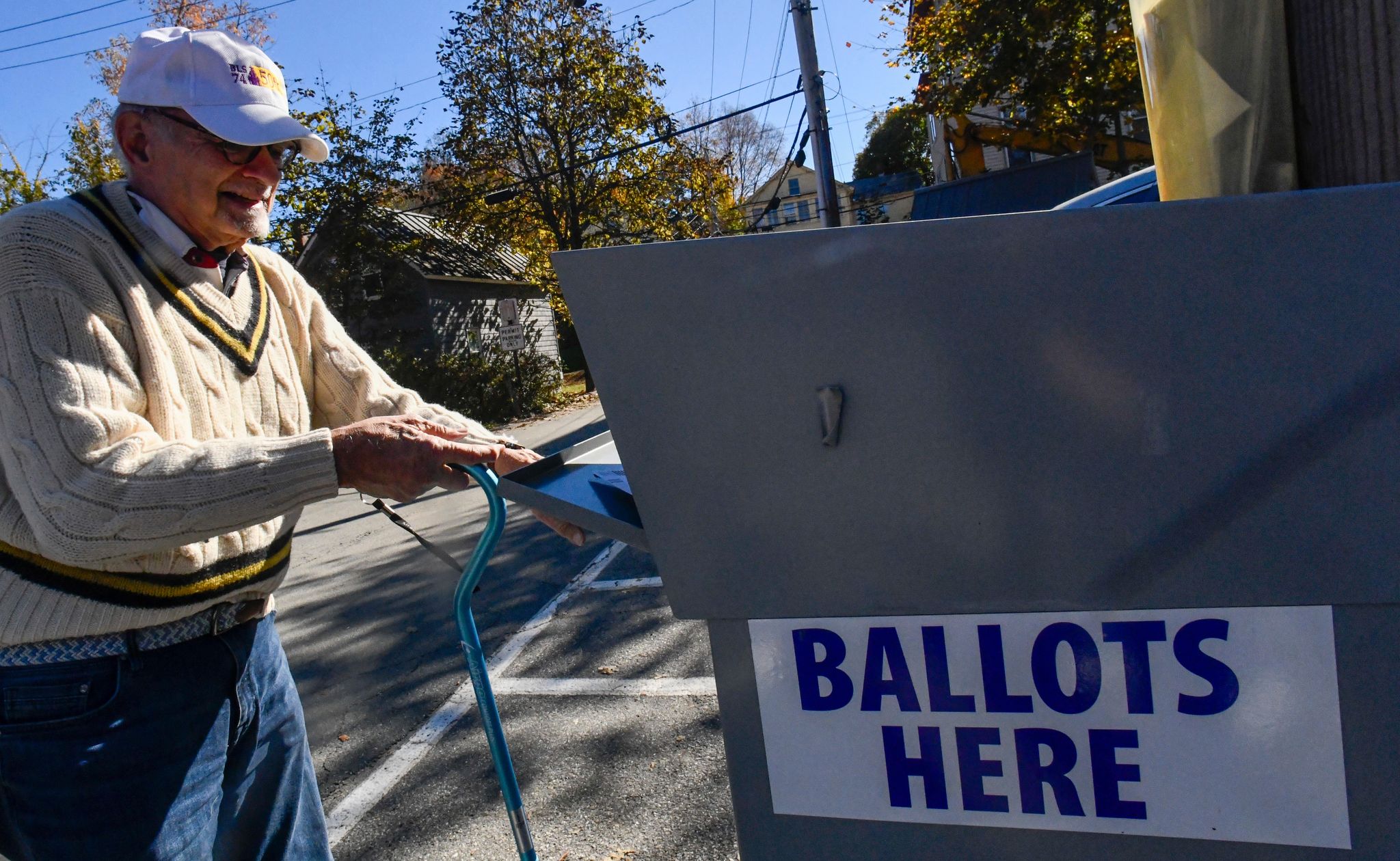
Vermont Election 2026: What to Know About Polls, Results and Counting
Vermont voters head to the polls this Tuesday to decide the future of several key federal and state...