
Texas election results continue to pour in as statewide races remain unsettled
Voters across the Lone Star State are waiting for the final tally as the 2026 midterm elections move into a critical phase of tabulation. According to reporting from the Houston Chronicle, the Associated Press is currently disseminating results for most federal and statewide races, with thousands of correspondents reporting from election centers to provide updated vote totals. While many major contests are being tracked in real-time, the final outcome for several key positions remains dependent on the processing of various ballot types that take longer to verify than in-person votes.
The landscape of the results is currently being shaped by a massive influx of data from across Texas’s diverse geography. The Texas Tribune notes that election data is being gathered through a network of the Secretary of State, county election sites, and on-the-ground stringers. This data is essential for determining whether early voting trends and recent turnout figures hold steady as the final counts are tallied. Because the Associated Press calls winners based on a combination of reported totals and historical turnout patterns, the speed and accuracy of these updates are currently the primary focus for political observers.
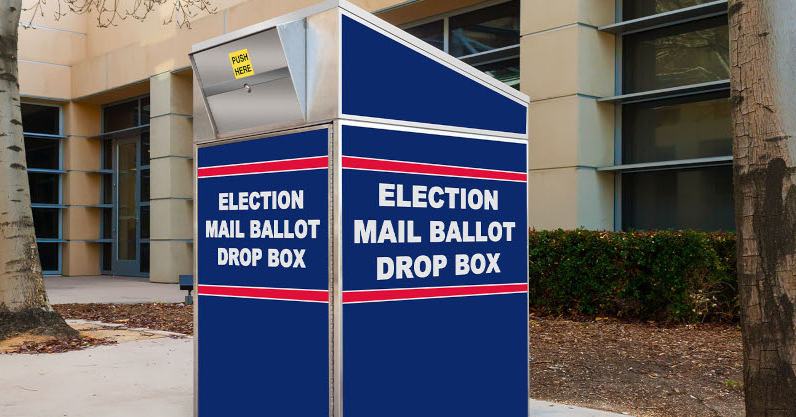
The math behind the final calls often hinges on specific categories of ballots that are not fully accounted for on election night. For example, the Texas Tribune explains that domestic mail-in ballots are subject to strict arrival deadlines. To be counted, these ballots must have been turned in and postmarked by election day and must arrive no later than 5 p.m. on Nov. 4. In races where the margin between candidates is razor-thin, these specific votes often act as the deciding factor, which can significantly delay an official call for a winner.
The role of military and overseas ballots in the final count
Beyond the domestic mail-in window, a second layer of voting data is expected to arrive later in the week. Military and overseas voters have a different set of requirements and timelines to ensure their participation is recorded. According to the Texas Tribune, these specific ballots must be postmarked by election day but are permitted to be received as late as Nov. 9. This extended window means that even if the primary results appear stable by the end of the week, the final composition of the electorate may shift once these international and service-member votes are integrated into the totals.
This staggered counting process highlights the tension between the desire for immediate results and the legal requirements of election integrity. While most voters see results streaming in shortly after polls close, the administrative reality of verifying postmarked mail-in votes creates a period of uncertainty. This is particularly true in highly contested districts where every single ballot can shift the mathematical probability of a victory.
The geographic distribution of these votes also plays a role in how the results are interpreted. The Texas Tribune utilizes a specific methodology to categorize the state’s counties, which helps analysts understand where momentum is building. This includes:
- Urban counties: The five most populous counties, centered around Austin, Dallas, Fort Worth, Houston, and San Antonio.
- Suburban counties: Large fringe metros, including Collin County, which is categorized here due to its proximity to the Dallas-Fort Worth area.
- Exurban counties: Low-density communities with populations over 50,000 that lack a primary city of 25,000 or more.
- Rural counties: Any county with a population of less than 50,000.
- Border counties: Every county that directly touches the Texas-Mexico border.
By tracking these specific zones, analysts can see if shifts are occurring in the metropolitan cores or if the rural and border regions are providing the necessary margins to swing statewide outcomes. The data provided by the National Center for Health Statistics regarding urban and rural classifications serves as a foundational tool for these types of demographic breakdowns.
As the night progresses, the focus remains on the gap between the current reported totals and the number of outstanding ballots. The official results will not be finalized until the legal windows for both domestic and overseas mail-in ballots have fully closed.
Worth a look

EPA Officials Visit Wyoming and Colorado to Strengthen Military Environmental Compliance
EPA Officials Visit Missile Silos to Address Environmental Compliance and Military Readiness EPA Assistant Administrator for Enforcement and...
Mail Delays Drive Surge in Early In-Person Voting Across Wisconsin
Rural Wisconsin voters trade mail for in-person absentee ballots Voters in Wisconsin's rural communities are increasingly bypassing the...

South Carolina voters head to polls for governor and senate races
South Carolina voters head to the polls today, November 3, 2026, to decide key races for governor, U.S....

Key Congressional Races in Kentucky and Virginia to Watch Tonight
Polls are closing across several key battleground districts tonight, setting the stage for a night that could significantly...