Voting Rights and Election Day Protections
If you find yourself standing in a long line at the polls today, or if you arrive at your precinct only to find your name missing from the registration list, you still have the right to vote. As the 2026 midterm elections unfold, the Vermont State Labor Council, AFL-CIO, has issued a critical reminder to working families regarding the federal protections that safeguard their ability to participate in the democratic process.
🚨 DOJ ASSIGNS FEDERAL PROSECUTORS TO MONITOR MARYLAND ELECTION COMPLAINTS AHEAD OF TUESDAY’S VOTE With Maryland voters heading to the polls November 3, the U. S. Department of Justice is putting federal prosecutors and FBI agents on standby to address election fraud, voter…
The stakes for voters today extend beyond individual ballots; they involve the fundamental ability to access the polls without interference. According to guidance released by the Vermont State Labor Council, AFL-CIO, several core federal rights remain in effect to ensure that no voter is disenfranchised by administrative errors or intimidation.
For those facing immediate hurdles at their polling locations, a dedicated resource is available. Voters can call 866-OUR-VOTE to speak directly with a trained Election Protection volunteer. This hotline, which also offers text and online chat options, provides support in English, Spanish, Arabic, and various Asian languages to ensure language barriers do not prevent civic participation.
Federal Protections for Every Voter
The legal framework governing today’s election is designed to prevent common obstacles from turning into permanent barriers to the vote. The Vermont State Labor Council, AFL-CIO, highlights several specific rights that every citizen can rely on as they head to the polls:
- The right to remain in line: If the polling place reaches its closing time while you are still waiting, you have the legal right to stay in line and cast your vote.
- Protection from intimidation: No individual or group has the authority to threaten or harass you during the registration or voting process.
- The right to assistance and corrections: If you make a mistake on your ballot, you can request help and ask for a new one. Furthermore, under the Voting Rights Act, you have the right to receive assistance from a person of your choosing.
- Privacy and accessibility: You are entitled to vote privately and independently. For voters with disabilities, the Americans with Disabilities Act mandates that reasonable accommodations must be provided.
These protections are not merely suggestions; they are the legal floor intended to maintain the integrity of the electoral process. When polling places close unexpectedly or registration lists appear inaccurate, these federal mandates serve as the primary recourse for voters seeking to exercise their franchise.
While some may argue that strict voter ID laws or tightened registration windows are necessary to ensure election security, the focus of civic organizations today is on ensuring that these administrative measures do not inadvertently suppress the turnout of working families. The ability to rectify a clerical error on the spot or to receive help with a physical disability is what separates a functional democracy from one that excludes its most vulnerable participants.
As the sun sets on this election cycle, the emphasis remains on the individual’s role in the collective outcome. The Vermont State Labor Council, AFL-CIO, has urged citizens to share this information widely, noting that the protection of democracy relies heavily on the informed turnout of the people.
Related reading

1.7 Million Absentee Ballots Returned as Michigan Polls Open
Michigan voters head to the polls for high-stakes Senate and gubernatorial races More than 1.7 million absentee ballots...

Why Madison County Voters Are Shifting Toward Democrats
Madison County is diverging from traditional Alabama voting patterns as its electorate shows signs of shifting toward more...
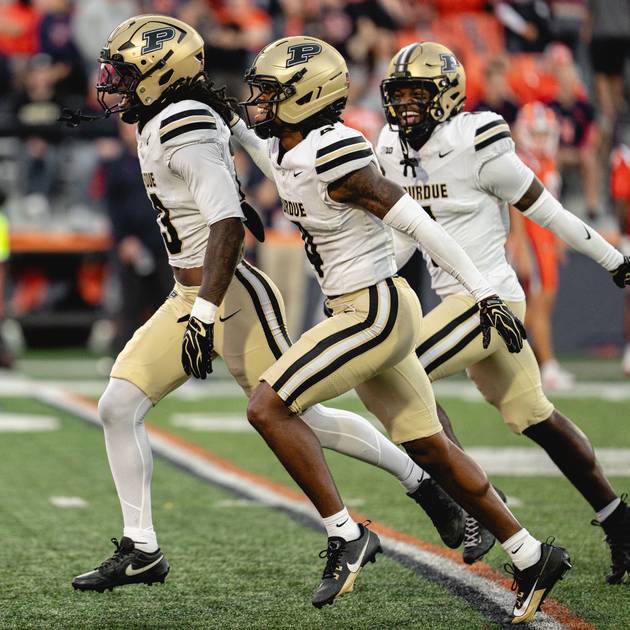
Purdue football schedules road game at West Virginia for 2027
Purdue football will travel to Morgantown, West Virginia, for a nonconference matchup against the Mountaineers in 2027, according...
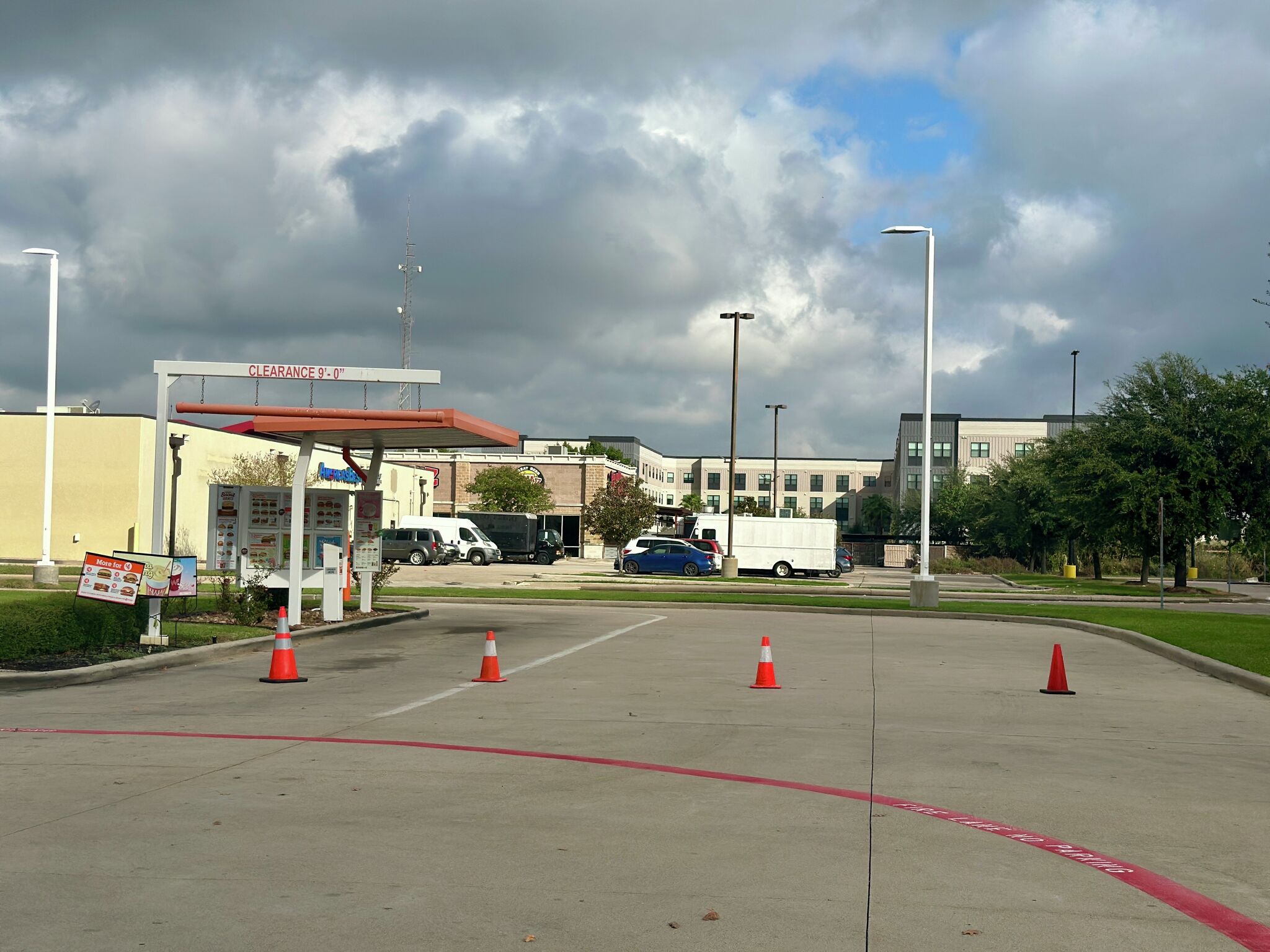
Houston Whataburger Drive-Thru Reopens After Truck Crashes Into Building
A pickup truck crashes into the Whataburger drive-thru on Silber Road A morning commute turned into a scene...