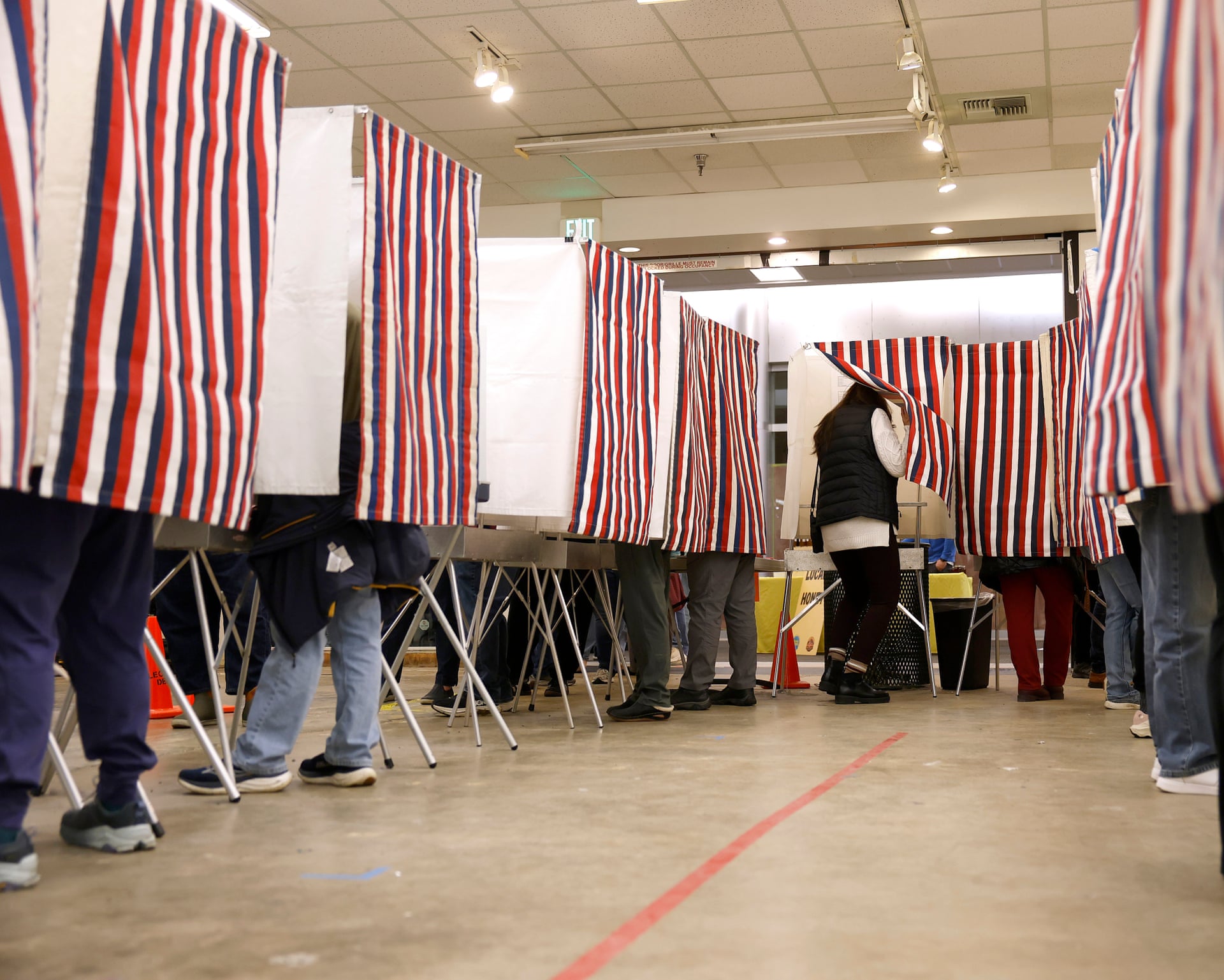
The 2026 US midterm elections take place on Wednesday, November 4, Australian time, with polls opening across the United States throughout Tuesday, November 3. Australians can follow the coverage via the ABC, which will provide ongoing updates on television and YouTube as results begin to filter in from across the American states.
The stakes for these midterms are being framed in starkly different ways by the country’s most prominent political figures. Donald Trump has characterized the event as the “most important in our lifetime,” while Senator Bernie Sanders has described it as the most significant in “modern American history.” Barack Obama has added to the urgency, labeling the election a “circuit-breaker” and the “last, best chance” to exert influence over the current administration. Whether voters view this as a direct referendum on Donald Trump’s second term or a broader shift in the legislative balance of power remains the central question hanging over the country.
The Mechanics of the American Ballot
Unlike the Australian system, the United States does not hold elections on a weekend, meaning millions of voters must navigate work schedules to cast their ballots in person. Polls generally open between 7:00 am and 9:00 am local time and close between 7:00 pm and 9:00 pm. Because the US spans multiple time zones, the electoral landscape is staggered. The Guardian reports that polls open at 10:00 pm AEDT Tuesday in New York and other East Coast states, with voting concluding progressively as the night moves westward.
The process is further complicated by a patchwork of state-level regulations. Voter registration requirements vary significantly, and some states mandate the presentation of specific forms of government-issued photo identification. Furthermore, the handling of mail-in ballots differs by jurisdiction; some states are permitted to process these votes before election day, allowing for a quicker initial tally, while others are legally required to wait until polls close. This disparity is why some races are projected within hours, while others remain unresolved for days.
Key Races and the Legislative Balance
Control of both the House of Representatives and the Senate is in play, turning this election into a high-stakes struggle for legislative authority. All 435 seats in the House are up for re-election, as are 39 governorships, which carry immense weight in setting state-level policy. Senate battles are the primary focus for many observers, with competitive races currently held by Republicans in Texas, Kansas, Maine, Iowa, Ohio, and Alaska. Democrats are simultaneously fighting to defend seats in Michigan and Georgia. Candidates such as James Talarico and Abdul El-Sayed are leading the charge in efforts to flip traditionally Republican-leaning districts.

The House is needed to pass any legislation, and has the ability to open investigations or demand testimony from Trump officials. A Democratic Senate could also stymie any nominations for positions such as the supreme court.
If the Democrats manage to secure a majority in either chamber, it would create a significant barrier to the president’s agenda. A shift in control could effectively render the administration a “lame duck,” severely limiting its ability to pass new laws or confirm judicial appointments. However, the threshold for more drastic actions, such as impeachment, remains exceedingly high, requiring a two-thirds majority in the Senate—a bar that is historically difficult to clear regardless of the election’s outcome.
Watching the Results from Australia
For viewers in Australia, the timeline for potential results is tied to the closing times of polling stations across the US. Because Democrats have historically shown a higher tendency to vote early or by mail, and Republicans often favor in-person voting on election day, early reports can sometimes create a “blue mirage.” This phenomenon occurs when initial counts favor one party before the subsequent tallying of in-person or mail-in votes shifts the balance.
Ultimately, the speed at which we learn the results depends on the margin of victory. If the contests are decisive, a winner could be projected relatively early. If the final composition of Congress rests on a single seat, however, the world may be watching a protracted counting process that stretches well into the following week. Participation rates, historically lower in midterms than in presidential election years, are hovering between 40% and 50% of eligible voters, though early voting metrics have tracked higher this year than in previous cycles.

South Charleston Public Library Offers Passport Acceptance Services
South Charleston Public Library Adds Official Passport Services The South Charleston Public Library has officially integrated passport processing...

Product Designer (Principal Associate) at Capital One Job Opening
Capital One Opens Principal Associate Product Designer Role in Richmond Capital One has officially posted a job opening...

Elon University Student Voting Guide: ID Requirements, Polling Locations, and Shuttle Info
Election Day Logistics and Requirements for North Carolina Voters As North Carolina voters head to the polls this...
Utah Election Guide: Congressional Races, Council Seats, and Amendment B
Utah voters heading to the polls today for the 2026 midterm elections must cast their ballots by 8:00...