Election Day Logistics and Requirements for North Carolina Voters
As North Carolina voters head to the polls this Tuesday, November 3, 2026, the mechanics of casting a ballot involve more than just showing up at a neighborhood precinct. For students at Elon University, the process requires specific identification and an awareness of precinct boundaries that divide the campus. While the state’s election framework remains consistent, local adjustments—ranging from specialized shuttle services to free transit programs—are designed to bridge the gap between registration and the ballot box.
Elon News Network reported that students must be prepared with acceptable identification. While a North Carolina driver’s license or state-issued ID is standard, the university offers Elon Phoenix Voter Cards, available at the Phoenix Card offices in McCoy Commons. It is critical to note that students who used cards from previous years must obtain a new version for this election cycle. For those living off-campus, the requirements extend to proof of residency; documents such as a utility bill, bank statement, or government-issued check that displays both a name and an Alamance County address are mandatory.
Campus Precincts and Transportation Access
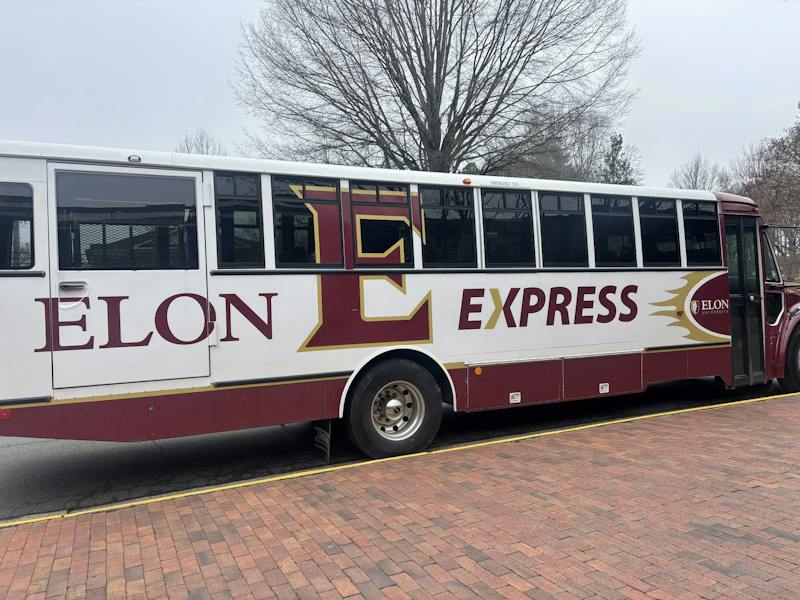
The university area is split between two distinct voting precincts, a division based on population density and municipal limits. According to Elon News Network, students must verify their assigned polling place through the North Carolina Board of Elections Polling Place Search before utilizing the university-provided shuttle. The Boone #5 precinct directs voters to the First Baptist Church of Elon, while the North Boone precinct utilizes Elon Elementary School. A shuttle service will run from the Center for the Arts between 8:00 a.m. and 7:00 p.m. to assist in reaching these locations.
Beyond the campus, broader efforts are underway to ensure voter access in Burlington. Mayor Beth Kennett recently confirmed that the city has authorized free service on all Link Transit routes for Election Day. The goal is to keep stops within a practical distance of polling sites, encouraging residents to participate in local governance. “I really want people to be involved and connected and engaged, and that is what I want,” Mayor Kennett stated. Residents can monitor these routes in real-time using the official Transit App.
National Preparedness and Problem Resolution
While local logistics are vital, national resources remain a safety net for voters facing registration or identification hurdles. BIN News reports that voters should confirm their registration status immediately, as some states do not permit Election Day registration. If a voter encounters a discrepancy—such as a missing name on the rolls or a challenge to their eligibility—they have the right to request a provisional ballot. These ballots are set aside by poll workers to be verified against eligibility rules after the polls close.
Navigating these requirements is a task that often involves reviewing sample ballots well ahead of time. Midterm elections frequently feature judicial races and local ballot measures that receive less media attention than federal contests. Organizations like the NAACP and resources via USA.gov’s voter ID guide provide frameworks for understanding state-specific identification mandates, which vary significantly across the country.
If you encounter a problem at the polls, ask a poll worker to check your registration information and explain your options. Contact the nonpartisan Election Protection hotline at 866-OUR-VOTE (866-687-8683) for assistance.
For those who find themselves in a queue when the polls reach their official closing time, the advice from election officials remains consistent: stay in line. Most jurisdictions protect the right of any voter who arrived before the deadline to cast their ballot. As the 2026 midterms reach this final stage, the combination of local shuttle access and national support hotlines serves as the primary mechanism for maintaining the integrity of the vote.
Related reading

Judge Bans League of Women Voters Guides From New Mexico Polls
A Judge Orders the Removal of League of Women Voters Guides from New Mexico Polling Places Voters heading...

Woman Dead and Man Injured in Nelson Township Stabbing Investigation
A fatal investigation begins in Nelson Township after a woman is found dead in a vehicle Detectives with...

LaMelo Ball Sets NBA Record for Fastest to 1,000 Career 3-Pointers
LaMelo Ball reaches 1,000 career three-pointers in record time LaMelo Ball has just rewritten a corner of the...

How to Identify Detroit Diesel Engine Series by Configuration
Identifying Detroit Diesel Engine Series for Maintenance and Repair Determining the specific series of a Detroit Diesel engine...