
Midterm Balloting Underway as $12 Billion Election Tests Donald Trump’s Second Term
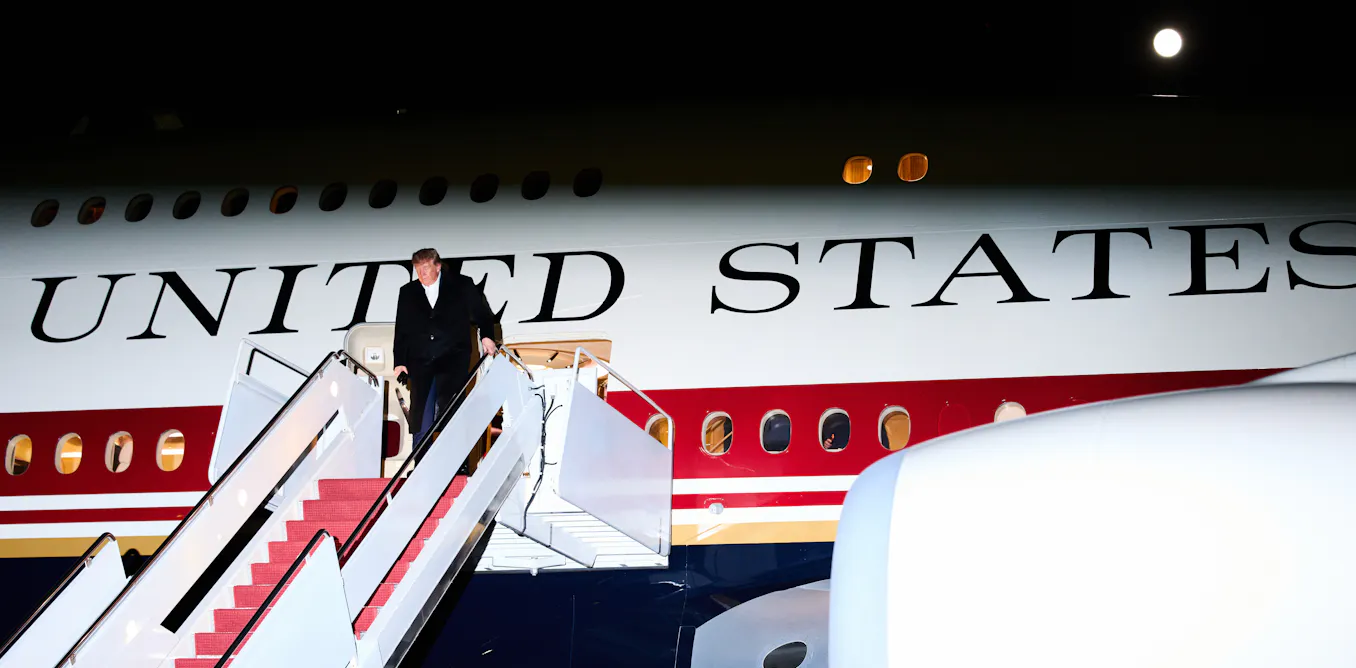
Millions of American voters headed to the polls today as the final day of voting in the midterm elections got underway, setting up a nationwide referendum on Donald Trump’s second presidency. The outcome will dictate the legislative trajectory for the remainder of Mr. Trump’s term, directly shaping federal oversight, judicial appointments, and the administration’s policy agenda.
The stakes extend across the federal government, with all 435 House seats, 35 of the 100 Senate seats, and governorships in 36 states up for grabs. Republicans are currently defending their record in power. According to Decision Desk HQ’s final forecast, Democrats are positioned to capture 241 House seats against 194 for Republicans, alongside a narrower 52-48 Democratic advantage in the Senate.
Economic Discontent and the Cost of Living Drive Voter Anger
Nate Silver’s aggregate polling model pegged Donald Trump’s net approval rating at -23.3, with 60.2% of surveyed Americans disapproving of his performance and 36.9% approving. Public sentiment has similarly soured on foreign policy, with 55.2% opposed to the war against Iran compared to 36.3% in support.

This economic and geopolitical friction has fueled the most expensive US midterm election campaign in American history, with the total cost projected to reach almost $12 billion, while attracting more than $11 billion in political advertising. The Senate race in Texas between Democrat James Talarico and Republican Ken Paxton is set to become the most expensive non-presidential political race in US history.
Expanding Battlegrounds and Deepening Political Divisions
The electoral battleground has stretched deep into traditionally conservative states. Final polling from the New York Times and Siena University placed Democratic candidates ahead in five out of seven key battleground contests, including Texas and Kansas—territories that have not sent a Democrat to the Senate since 1988 and 1932, respectively. Meanwhile, internal party fractures have complicated the map; in Michigan, congresswoman Haley Stevens endorsed Republican Senate candidate Mike Rogers over the Democratic nominee, Abdul El-Sayed, following a bitter primary dispute.
As voting concludes, legal and procedural disputes have intensified concerns over post-election certification. The Department of Justice plans to deploy a record 1,000 election monitors to polling locations, a move critics have denounced as voter intimidation.
Faced with the prospect of losing congressional majorities, Mr. Trump signaled a hardline approach to legislative gridlock. Speaking on a podcast on the eve of the election regarding whether he would work with a Democratic-controlled Capitol, he stated simply: “I veto everything.”
Keep reading

NTSB focuses on weather in Florida Learjet crash that killed nine
Florida Learjet Crash Kills Nine as Investigators Focus on Severe Weather and Icing Weather conditions have emerged as...
From Nkrumah’s Non-Alignment to Mahama’s Accra Reset: Repositioning Africa in a Multipolar World
Kwame Nkrumah's Postcolonial Prediction Faces New Realities in a Multipolar World More than six decades after gaining political...

James Blunt Admits He Tried To Get Banished From The Celebrity Traitors
Singer James Blunt admitted he spent much of the 2026 series of The Celebrity Traitors trying to get...

OpenAI executive urges caution in China-US AI talks, warns of distillation – South China Morning Post
The Unspoken Risks in US-China AI Collaboration Caroline Zier, OpenAI’s deputy lead for national security, warned U.S. officials...