
Rural Representation and the Unopposed Path in District 44
In the expansive stretch of southwest Nebraska, voters preparing for the November 3, 2026 general election face a straightforward ballot for the state legislature, as incumbent state Sen. Teresa Ibach of Sumner runs unopposed for reelection to a four-year term carrying a $12,000 annual salary. According to the Nebraska Examiner Voter Guide, Legislative District 44 encompasses Chase, Dawson, Dundy, Frontier, Gosper, Hayes, and Hitchcock counties, alongside a portion of Perkins County, mapping out a vast agricultural territory that stretches across multiple county lines.
Ibach, a 64-year-old registered Republican, farmer, and rancher who has represented the district since 2023, brings a distinct background rooted in rural commerce and property management. A graduate of the Sumner, Eddyville, and Miller School District, she earned a bachelor’s degree in human resources and family sciences from the University of Nebraska-Lincoln in 1984. Beyond her legislative duties, she operates a cow-calf and row crop operation alongside her husband, balancing her agricultural roots with an intimate familiarity with property management across the region.
Priorities for the Ag Economy and Rural Infrastructure
Running on a platform centered on defending the state’s agricultural foundation against declining rural populations, Ibach emphasizes the urgent need to protect natural resources and strengthen the local workforce. Her legislative agenda places emphasis on water quality and quantity, soil health, and housing availability. She points to collaborative regional initiatives like 6 Regions, One Nebraska as vital frameworks for tackling localized workforce shortages, childcare deficits, and housing scarcity.
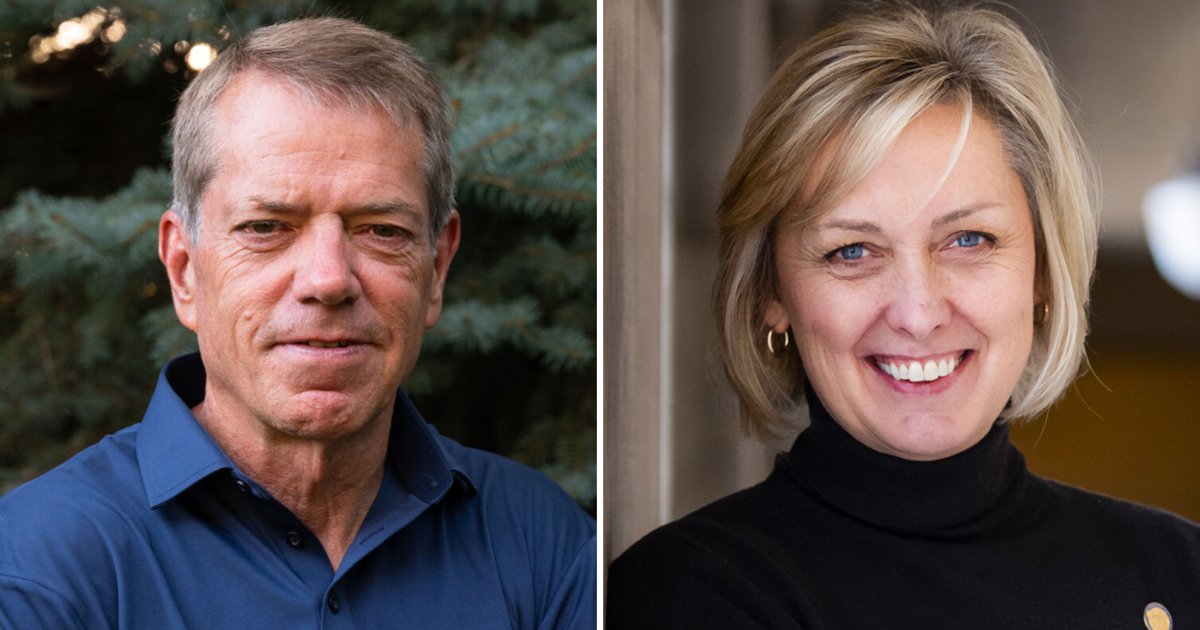
We must continue to strengthen our state’s ag economy while protecting our natural resources, which includes water quality and quantity. We must also increase housing affordability and availability, while growing our workforce. We must also work to address rural workforce deserts, like the lack of specialized healthcare practitioners or childcare providers, in order to make our local communities stronger.
Those local concerns mirror broader economic anxieties across the state. When constituents voice frustrations over high taxes and the steady drift of young families toward larger urban centers, Ibach connects those trends directly to the absence of accessible childcare, specialized healthcare providers, and affordable housing options in rural Nebraska towns.
Ibach Urges Evaluation of Pandemic Relief Spending
Addressing Nebraska’s fiscal stability requires a critical look at pandemic-era funding structures, according to Ibach. She argues that the influx of one-time federal relief money following COVID-19 spawned long-term spending commitments that the state must now systematically evaluate and eliminate if they fail to prove their long-term value.
On the perennial issue of property taxes, the Legislative Fiscal Office notes that approximately $1.7 billion in state revenue was allocated to property tax relief across Nebraska in the 2025-26 fiscal year, accounting for roughly 25 percent of total state revenues, with projections reaching $1.9 billion by fiscal year 2028-29. While Ibach acknowledges these substantial state outlays, she maintains that local taxing entities must also scrutinize their own budgets, weighing essential needs against discretionary wants. Regarding sales tax policy, she expresses openness to reevaluating items currently exempt from taxation, though she draws a firm line against imposing taxes on business inputs.
Amid rising interest in technological infrastructure across the plains, Ibach takes a measured stance on data centers. Rejecting outright bans, she asserts that modern technological advancements allow these facilities to significantly reduce water consumption. However, she stresses that incoming corporations must exercise careful judgment regarding local power and water availability while remaining responsive to resident concerns over noise and traffic.
Constituents Can Contact Incumbent by Phone or Email
Constituents wishing to reach the incumbent can contact her office directly at 402-471-2805 or via email at [email protected].
Worth a look

Nevada 2026 Midterm Election: Voting details for Washoe County residents
Tuesday marks the final opportunity for eligible residents who haven't yet voted in Nevada's 2026 midterm election. Polls...

Linda Gerry, Lincoln Resident and church secretary, dies at 79
A single yellow Post-it note, stuck quietly to a computer monitor in a Lincoln home, held a familiar...

Robert H. Garner, Outdoorsman and Vietnam Veteran, Passes Away
Remembering Robert H. Garner Robert H. Garner, a lifelong outdoorsman, veteran, and family man, passed away on Tuesday,...
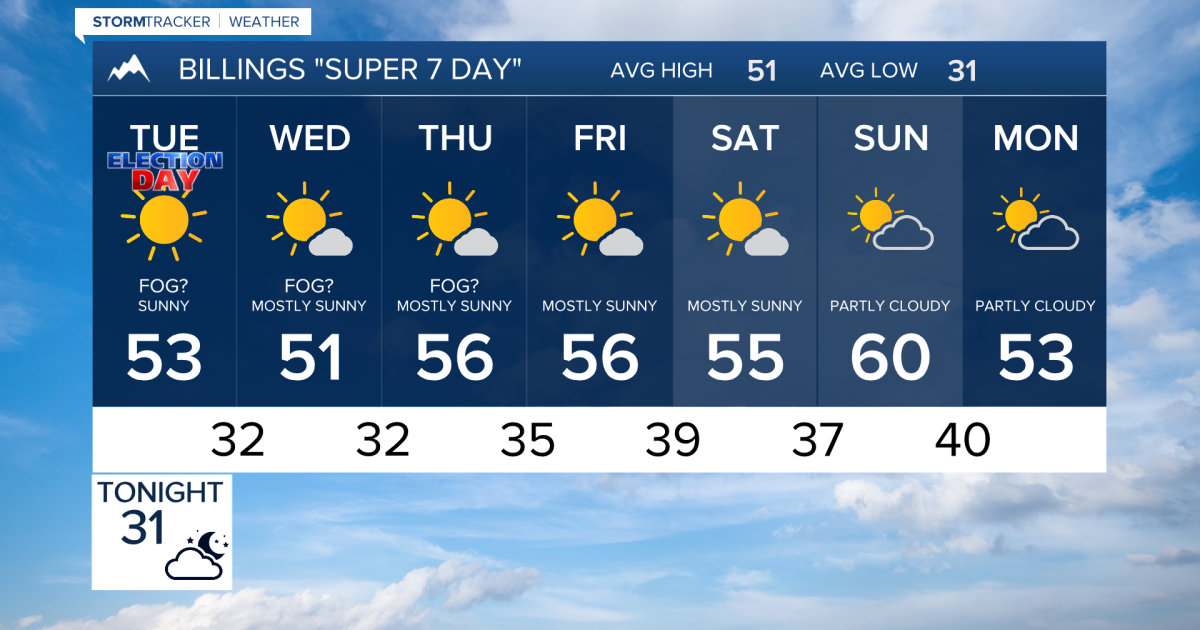
Temperatures climb across southern Montana and northern Wyoming
Winds Ease and Temperatures Climb Across Southern Montana and Northern Wyoming Rain and mountain snow will steadily taper...