
The Baseball Writers Association of America released the 2027 Hall of Fame ballot, officially starting the clock on the annual debate over who earns a plaque in Cooperstown.
For those who track the game’s history, the ballot serves as both a retrospective of the last two decades and a stark reminder of the rigorous 75% threshold required for induction. Any player failing to secure that share of the vote—or falling below the 5% mark—faces elimination from future consideration.
For Buster Posey, this ballot represents a defining moment.
As noted by Brew Crew Ball, he stands as the only player with a legitimate path to a first-ballot induction, though his path is complicated by the modern obsession with counting stats versus rate-based brilliance.
While his 1,371 career games played fall short of traditional benchmarks, his status as one of the most productive catchers in history is undeniable. He holds the highest fWAR rate of any catcher with significant playing time, a testament to a career that included an MVP award and three World Series titles.
The Relief Specialists and the Case for Longevity
The ballot also highlights two high-leverage arms who redefined the late-inning role: Wade Davis and Andrew Miller. Both arrived on the scene as failed starting pitching prospects before finding their true calling in the bullpen. Davis, during his four-year peak with the Royals, posted an ERA of 1.45 across 244 games, becoming a postseason anchor during Kansas City’s championship runs. Miller’s ascent was similarly sharp, particularly his 2016 postseason showing with Cleveland, where he strung together 16 scoreless innings. Despite their dominance, neither player possesses the longevity typically required for serious Hall of Fame consideration.
Jon Lester occupies a more complex space on this year’s ballot. With 200 wins, 2,488 strikeouts, and a reputation as a postseason warrior, he offers a resume that demands a deeper look.
His career 2.51 ERA in 154 postseason innings is significantly better than his 3.66 regular-season mark, and his role in three World Series titles—two with Boston and one with Chicago—carries heavy weight. While he may not be a lock, his candidacy will likely persist long enough to spark a legitimate debate about the value of championship-level performance.

The Analytics Litmus Test
The presence of Chase Utley for his fourth year on the ballot continues to serve as the sport’s most prominent divide between traditionalists and data-driven voters. Utley’s supporters point to his 44.3 bWAR and his elite performance at second base, arguing that his peak production mirrors that of legends like Joe Morgan.
Critics, however, remain tethered to his 1,885 career hits, viewing the total as insufficient for enshrinement.
Utley’s trajectory is trending in the right direction, having jumped nearly 20% in the polls last year. Whether he can bridge the remaining gap depends on how many voters are willing to prioritize advanced metrics over the round numbers that have historically defined the Hall.

Candidates at the Margins
Several other players on the ballot represent the “franchise legend” archetype—players whose impact on their respective clubs was profound, even if it didn’t reach the ceiling of Cooperstown. Ryan Zimmerman, the face of the Washington Nationals for nearly two decades, finished his career with 1,846 hits and 284 home runs. Similarly, Brett Gardner’s 14-year run with the Yankees showcased elite defensive value and base-running, resulting in 44.3 bWAR.
The ballot also features Joakim Soria, who finished his career with 229 saves and a 137 ERA+, and Kyle Seager, whose consistency at third base made him an analytics darling despite retiring at age 33.
While players like Jake Arrieta, Starlin Castro, and Pablo Sandoval remain on the ballot, their chances of induction appear slim, serving more as a reminder of their specific, high-ceiling moments rather than sustained, career-long dominance.
The voting process is now underway, with the results set to reveal whether the writers of 2027 are ready to adjust their standards for the modern era.
Viewers Describe the Struggling U.S. Economy in One Word
“Scary,” is how Cheyenne Riggs describes the current U.S. economy. For the Martinez resident, who balances multiple jobs...

Obituary: Clarence Medina
Clarence Medina, a lifelong resident of the Eagle Valley and an outdoorsman, passed away on November 8, 2026,...

Virginia Tech Basketball: Hokies Defeat Richmond 85-68 – Gobbler Country
Cassell Coliseum hosted a dominant first half on Monday night as the Virginia Tech Hokies built a 20-point...
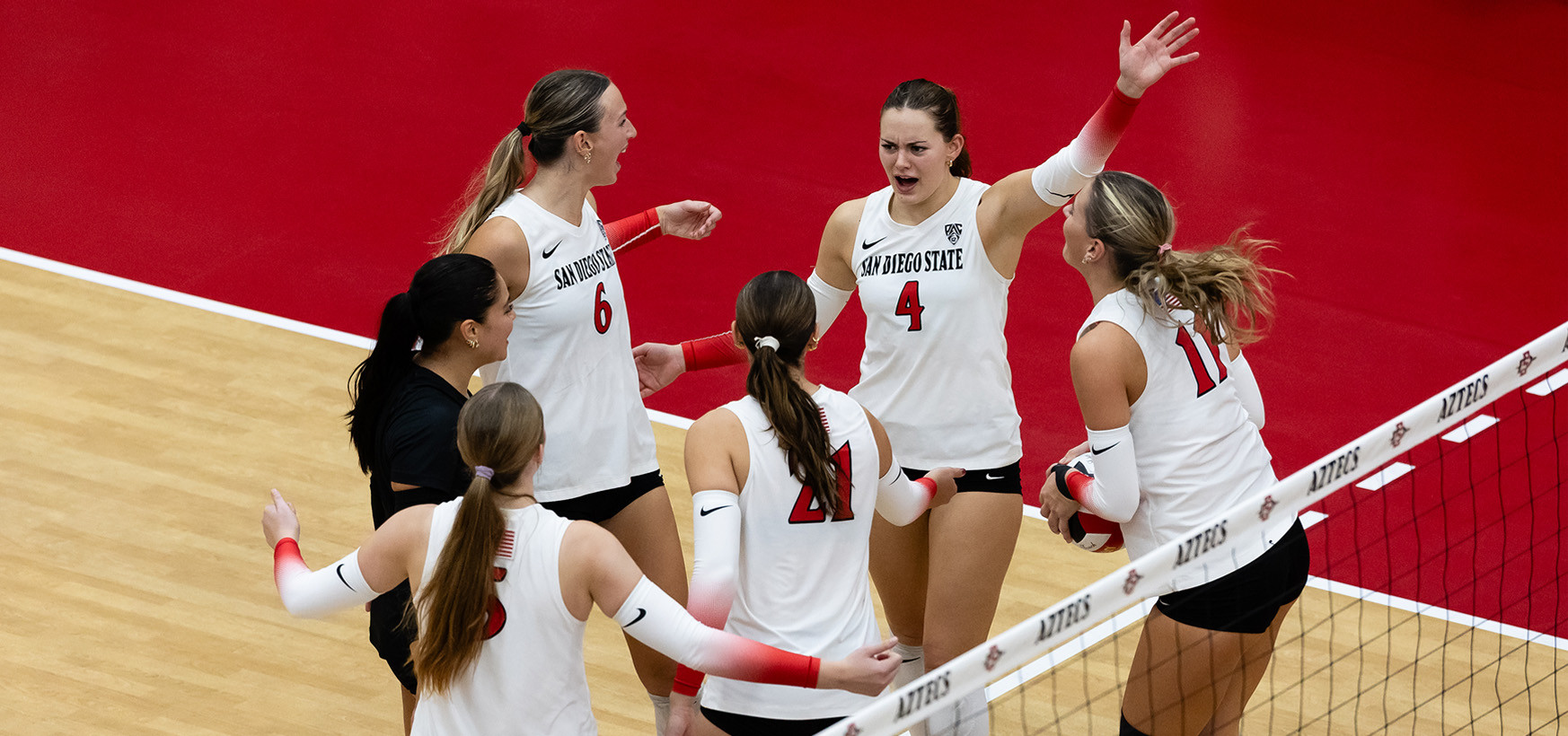
San Diego State Volleyball travels to Oregon State and Utah State
The San Diego State volleyball team travels to Oregon State on Tuesday, Nov. 17, and Utah State on...