
“Scary,” is how Cheyenne Riggs describes the current U.S. economy.
For the Martinez resident, who balances multiple jobs just to keep up with daily expenses, the word isn’t just a shorthand—it is a lived reality. She is far from alone in that assessment.
Recent data collected by NBC Bay Area reveals a sobering snapshot of the American household under financial pressure. When asked to characterize the state of the economy, respondents didn’t reach for complex policy jargon. Instead, they offered blunt, visceral one-word descriptions: “horrible,” “bad,” “terrible,” “challenging,” “unpredictable,” and “disaster.”
The numbers behind these sentiments underscore a widespread struggle to maintain financial stability. According to the survey, 63% of participants reported that they are currently struggling to make ends meet.
Even more concerning is the debt load carried by many, with 25% of respondents confirming they owe more than $10,000 on their credit cards. Perhaps most indicative of the tightening squeeze is that only 37% of those surveyed said they are able to pay their credit card bills in full each month.
“That was my favorite question because of the answers,” said Lucia Walinchus, Managing Data Editor for NBC- and Telemundo-owned stations. “There were some very creative things that people put.”
For many, the economic frustration is tied directly to the rising cost of basic survival. In Oakland, airline worker Sheryl Walton told NBC Bay Area that she has been forced to drastically cut back her family budget. She chose the word “disheartening” to describe the situation, noting that it is genuinely disappointing to witness the country in this state.
The impact is felt acutely by middle-class families who find that even two incomes are no longer a guarantee of progress. Carmen Guzmán, an educator from Gilroy, sighed when asked about the economy, offering the word “depressing.” She and her husband both work, yet they feel they are merely treading water rather than moving forward.
“I consider myself part of the middle class. And I do feel the middle class is being left out,” Guzmán said. For her, the most immediate pressure point is the cost of fuel.
Because her profession requires her to be physically present in a classroom, working from home is not an option. She commutes 60 miles roundtrip each day between Gilroy and San Jose, spending between $120 and $180 a week just to keep her car on the road.
This single expense has rippled through her family’s entire budget, forcing them to abandon discretionary spending. Vacations are now restricted to “daycations” because the cost of a hotel is no longer feasible. The Bureau of Labor Statistics has long tracked how these inflationary pressures impact consumer behavior, but individual accounts like those of the Guzmán family highlight the human stakes of these macro-level shifts.
While the mood is undeniably grim, there remains a sense of expectation regarding the future. Guzmán expressed optimism that the results of the recent midterm election might lead to federal policy shifts that prioritize family finances and inflation control. Until such relief arrives, however, the day-to-day reality for many remains a careful calculation of what to cut next.
This struggle to balance household books reflects a broader trend often discussed by the Federal Reserve in their periodic reports on the economic well-being of U.S. households. The data suggests that when the cost of essentials—fuel, housing, and food—outpaces wage growth, the psychological burden on families often manifests in the kind of blunt, negative sentiment captured in this survey.
“It really does limit what we can do and how we can live,” Guzmán said.

2027 MLB Hall of Fame Ballot Preview: Analysis and Predictions
The Baseball Writers Association of America released the 2027 Hall of Fame ballot, officially starting the clock on...

Obituary: Clarence Medina
Clarence Medina, a lifelong resident of the Eagle Valley and an outdoorsman, passed away on November 8, 2026,...

Virginia Tech Basketball: Hokies Defeat Richmond 85-68 – Gobbler Country
Cassell Coliseum hosted a dominant first half on Monday night as the Virginia Tech Hokies built a 20-point...
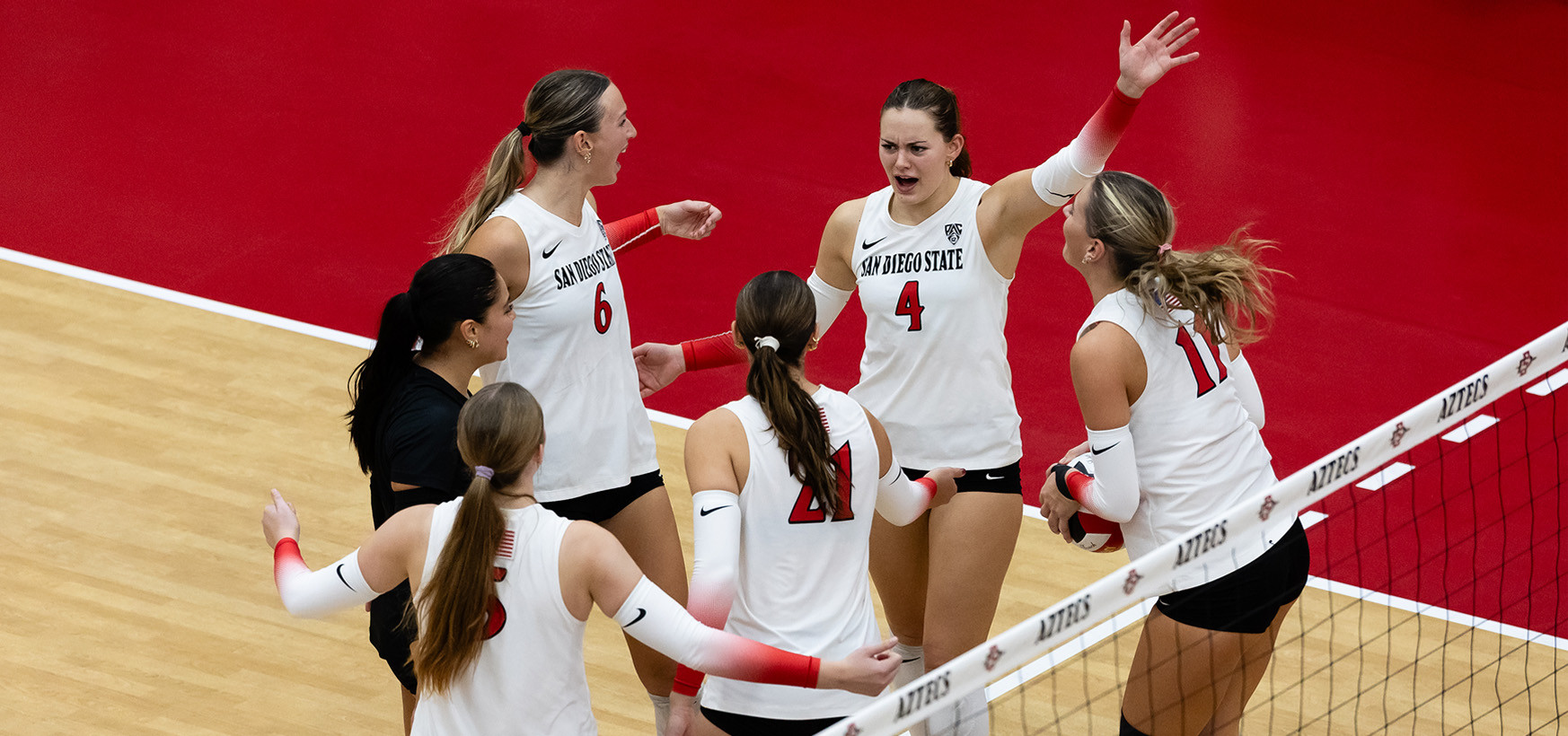
San Diego State Volleyball travels to Oregon State and Utah State
The San Diego State volleyball team travels to Oregon State on Tuesday, Nov. 17, and Utah State on...