
Sixty-six percent of Alabama voters gave their approval to Amendment 1 on Tuesday night, a margin wide enough that WSFA reported the measure had passed even with 80 percent of votes still being totaled at 11:30 p.m. The decisive victory for the first ballot measure stands in sharp contrast to the other three amendments, which remained too close to call just before midnight, with the Associated Press showing yes votes leading by margins ranging from a narrow 51-to-49 split to a more comfortable 64-to-36 advantage.
That spread tells the story of an electorate that agreed on changing how the state fills a vacancy in the lieutenant governor’s office, but remained deeply divided on whether neighboring school districts should consolidate and what patriotic rituals should be required in public classrooms.
Tuesday’s results will determine whether Alabama’s constitution gains new provisions on legislative salaries, school consolidation, and patriotic observances in K-12 schools, with the final tallies on three of the four measures still uncertain as the clock struck midnight.
A Clear Mandate on State Government Structure
By press time, Amendment 1 stood as the sole measure officially called, proposing that voters alter how a vacancy in the lieutenant governor’s office would be filled should the seat open during the first two years of its four-year term. Additionally, the measure inserts a new clause into the state constitution permitting the state legislature to determine the pay for both the lieutenant governor and legislative members.
School Consolidation Hangs by Two Points
Amendment 2 remains unresolved, with the Associated Press reporting yes votes ahead by a 51-to-49 margin at 11:30 p.m. with just under 80 percent of votes totaled. This razor-thin lead means the outcome could still flip as the remaining ballots are counted.
🇺🇸 BREAKING: Alabama voters approved a constitutional amendment requiring public schools to play the national anthem.
The amendment would allow neighboring county school boards to pursue consolidation through a resolution, though notably the proposal would not merge school systems automatically. Instead, it creates a voluntary pathway for districts to explore combining resources while providing a way for local residents to protest a proposed consolidation if they disagree with it. That protest mechanism gives communities a direct voice in whether their local schools might eventually combine with a neighbor, ensuring that any merger requires more than just board approval.
Pledge, Prayer, and the Anthem in Public Schools
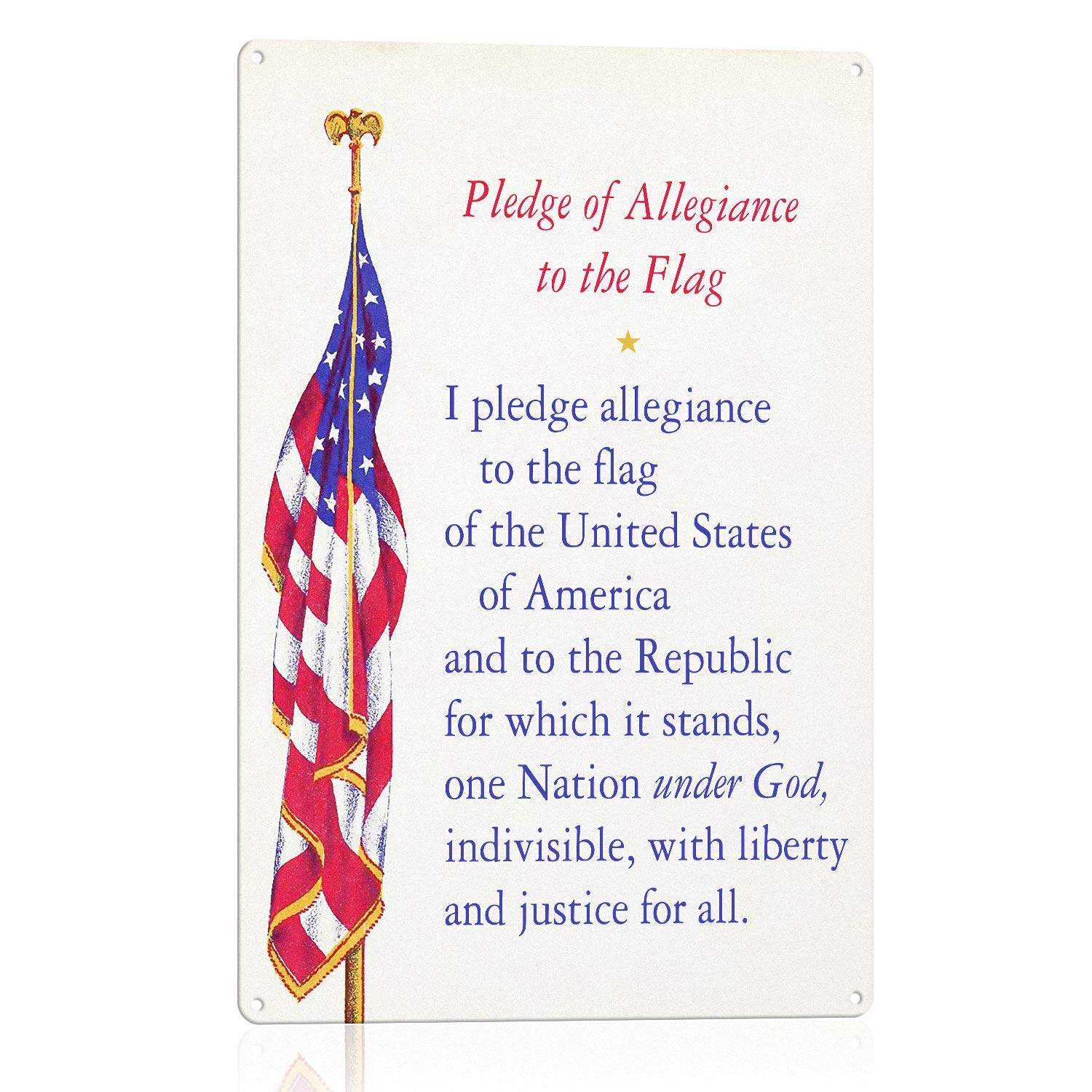
At 11:30 p.m., with roughly 82 percent of ballots counted, Amendment 3—which would mandate that local boards of education create policies compelling every public K-12 school to recite the Pledge of Allegiance and establish a policy permitting student-initiated, student-led prayer—held a 64-to-36 lead. While that margin appears safer than Amendment 2’s, election officials had not yet called the race.
Amendment 4, asking voters whether to require local school boards to adopt policies for playing or performing the first stanza of “The Star-Spangled Banner” at least once a week during school hours, showed yes votes ahead by a 60-to-40 margin with roughly 82 percent of ballots counted. Like Amendment 3, this measure had not been officially projected as passed by midnight.
If approved, Amendments 3 and 4 would require local boards of education to adopt policies regarding the Pledge, student prayer, and the national anthem in public K-12 schools.
Who Wins and Who Waits
For state legislators and the lieutenant governor’s office, Amendment 1’s passage changes how vacancies are handled and who controls salary decisions. For county school boards, the uncertainty around Amendment 2 leaves consolidation plans in limbo—a two-point margin with 20 percent of votes outstanding could go either way. And for parents and students, the fate of Amendments 3 and 4 will determine whether patriotic observances become required in every Alabama public K-12 school.
Setting the Stage for a New Congress
As of 11:30 p.m. Tuesday, with approximately 80 percent of votes counted across the state, the Associated Press had not called Amendments 2, 3, or 4.
Worth a look

NJCA Congratulates Endorsed Candidates on Election Victories
New Jersey Citizen Action congratulated its endorsed candidates on their general election victories November 3, celebrating wins for...
Man United Cunha Brace Seals Roma Comeback in Champions League
Manchester United came back from two goals down to beat Roma 3-2 at Old Trafford in the Champions...

2026 Delfina USA Champions Cup Lands in Las Vegas November 6
480 Young Athletes, 24 Teams: Delfina USA Champions Cup Lands in Las Vegas Starting Friday, November 6, roughly...

Nebraska Voters Cement Fairness for Girls Sex-Separate Sports Measure
Nebraska Voters Cement Sex-Separate Sports into State Constitution "Nebraskans are sick and tired of watching politicians in the...