
A 90-year-old woman with chronic heart failure achieved full independence following a two-year multidisciplinary home-visit rehabilitation program, according to a case report published in Cureus.
The patient, who also presented with atrial fibrillation and a thoracic compression fracture, had initially faced severe functional limitations and hospital-associated disability. Her recovery highlights a potential model for managing the rapidly expanding population of nonagenarians with heart failure, a group often excluded from traditional outpatient programs due to mobility constraints.
Initial Assessment and Program Phases
At the start of the program, the patient had a Short Physical Performance Battery (SPPB) score of 0 and a six-minute walk test (6MWT) distance of only 5 meters. Her Life-Space Assessment (LSA) score was 6, indicating extreme restriction to her home environment.
The intervention followed a phased approach:
- Initial Phase: Caregivers focused on reducing nocturnal cardiac strain using a portable toilet and titrated low-intensity exercises based on blood pressure and oxygen saturation.
- Middle Phase: The program introduced resistance training supported by family members, alongside psychosocial support to address the patient’s embarrassment regarding her mobility.
- Late Phase: Between day 180 and day 720, the patient resumed activities including gardening, community shopping, and twice-weekly day rehabilitation.
Outcomes at Two Years
By the end of the 720-day program, the patient’s physical performance had improved significantly.
| Metric | Initial Assessment | Day 720 |
|---|---|---|
| SPPB Score | 0 | 10 |
| 6MWT Distance | 5 m | 156 m |
| LSA Score | 6 | 84 |
The report suggests these findings are relevant to the broader "CHF pandemic," as the global population of individuals aged 90 or older is expected to reach 71.16 million by 2050, Cureus reported. In the United States, approximately 6.2 million people currently have heart failure, with projections estimating that number will reach 8 million by 2030.
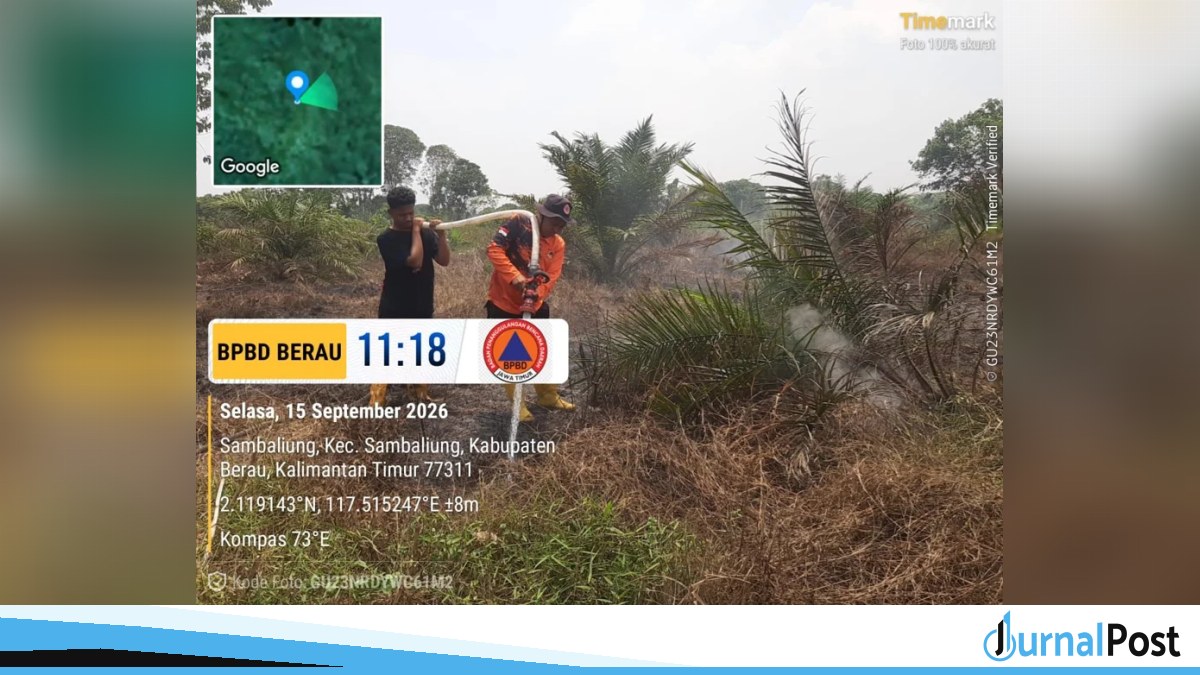
Berau Fire Volunteers Face Safety Risks as Occupational Health Is Overlooked
Volunteer fire groups in Berau face safety risks as occupational health and safety is overlooked in forest fire...

Multi-Vehicle Crash Blocks N40 South Ring; Douglas Village Evacuated for Fire Alarm
A multi-vehicle crash blocked the eastbound N40 South Ring Road between Junction 4 Sarsfield Road and Junction 5...

Yakult Nutritionist Lucy Jones Advises ‘Low and Slow’ Fibre Intake for Winter
"It's positive to see fibre getting more attention," said Lucy Jones, a registered nutritionist for Yakult, commenting on...

NCP-SP Backs Delimitation Bill; Congress Calls It ‘Unfortunate’
"We will support the delimitation Bill," NCP–SP leader Jitendra Awhad said Friday in Mumbai, announcing his party's break...