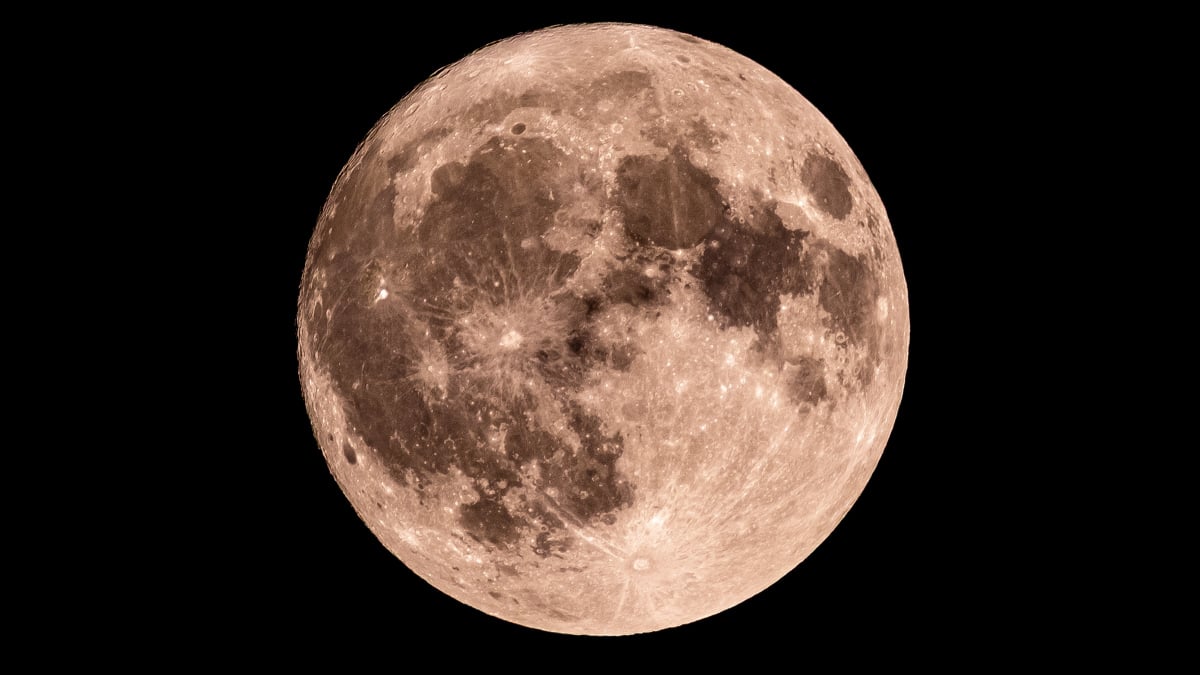
NASA reports a 48% visible Moon on July 21
As of Tuesday, July 21, NASA’s Daily Moon Guide tracker reports that the Moon is in its First Quarter phase, with 48% of its surface visible. This follows the July 20 commemoration of International Moon Day, an event held annually to celebrate the role the Moon has played in the human understanding of space and to mark the historic Apollo 11 mission.
Understanding Lunar Phases and Cycles
According to NASA, the Moon takes approximately 29.5 days to complete its journey around Earth, passing through eight distinct phases during each lunar cycle. While the same side of the Moon is always visible from Earth, the portion of its surface lit by the Sun changes as it moves along its orbit. These shifting angles of illumination create the different appearances seen throughout the month, ranging from a slender crescent to a half-lit Moon, and finally to a bright Full Moon before the cycle begins again.
The eight phases are defined as follows:
- New Moon: The Moon is positioned between Earth and the Sun, rendering the visible side dark and invisible to the eye.
- Waxing Crescent: A small sliver of light appears on the right side in the Northern Hemisphere.
- First Quarter: Half of the Moon is lit on the right side, appearing as a half-Moon.
- Waxing Gibbous: More than half is illuminated, though it is not yet full.
- Full Moon: The entire face of the Moon is illuminated and fully visible.
- Waning Gibbous: The Moon begins losing light on the right side in the Northern Hemisphere.
- Third Quarter (or Last Quarter): A half-Moon appears again, but with the left side illuminated.
- Waning Crescent: A thin sliver of light remains on the left side before the Moon goes dark again.
Astronomy Magazine identifies a 57-year Metonic cycle
Historical Alignment
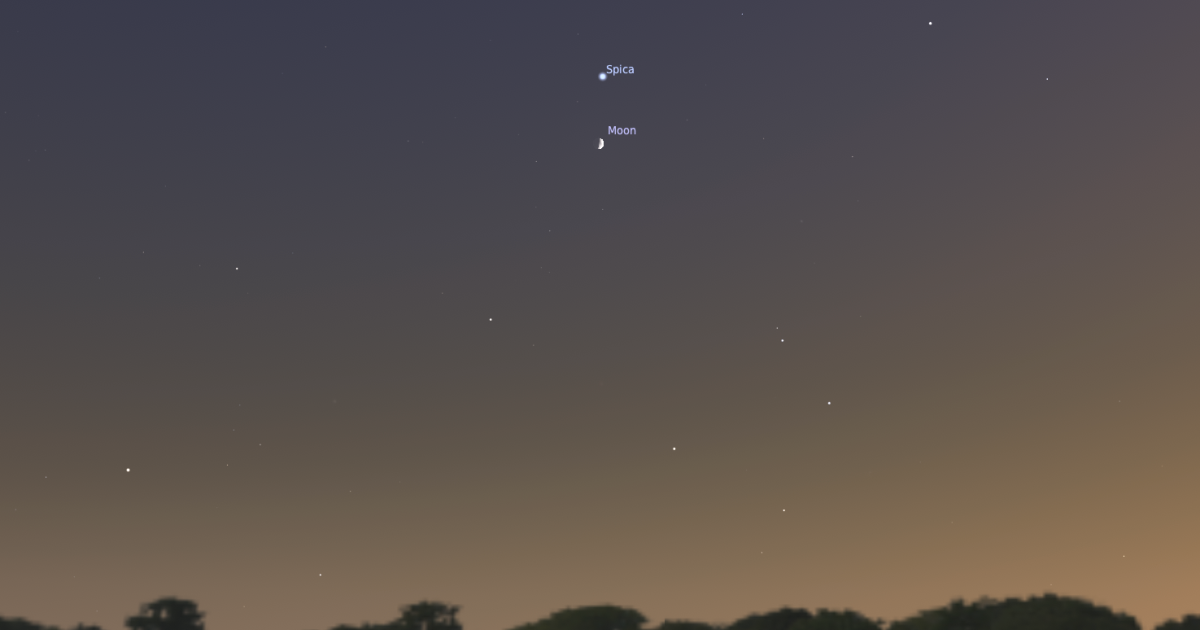
The current lunar cycle is notable for its alignment with history. Because 57 years—or three of these cycles—have passed since July 20, 1969, the Moon’s phase currently matches the appearance it had when Neil Armstrong and Buzz Aldrin first stepped onto the lunar surface.
Binoculars reveal the Endymion and Posidonius craters
Observing the Surface
For those looking to observe the Moon, no visual aids are required to spot the Mares Crisium and Fecunditatis. Binoculars assist in viewing the Endymion Crater, Posidonius Crater, and the Mare Nectaris. A telescope provides even greater detail, including the Rupes Altai and the landing sites of Apollo 11 and 17.
Telescopes locate the Tranquillity Base landing site
To locate the Apollo 11 landing site, known as Tranquillity Base,
observers can look near the center of the Moon, just to the right of the terminator, which is the line dividing night and day. Near the southwestern rim of Mare Tranquillitatis (the Sea of Tranquillity), observers can find the craters Ritter and Sabine. Just east of this pair lies the landing site, alongside three smaller craters named for the mission crew: Aldrin, Collins, and Armstrong. Because the largest of these, the Armstrong crater, is only 2.9 miles (4.6 kilometers) in diameter, a large telescope is required to identify it. This region is visible four through 18 days past the New Moon, with shadows appearing sharpest at the beginning and end of that range.

As the lunar cycle progresses, the next Full Moon is scheduled to take place on July 29.
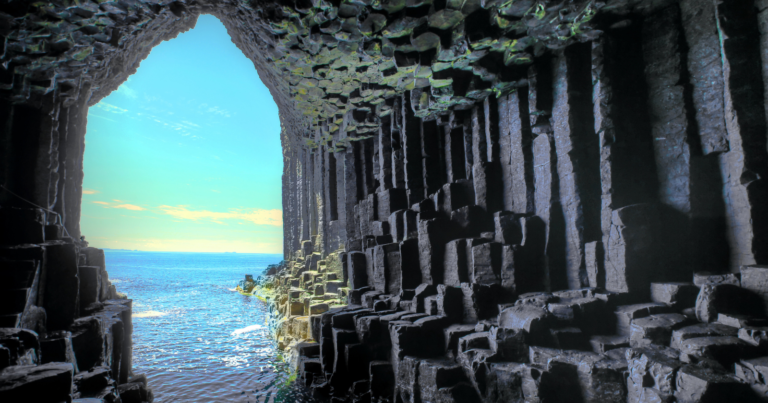
Fingal’s Cave in Scotland Inspired Mendelssohn With Its Volcanic Acoustics
Carved during the Paleocene epoch by North Atlantic volcanic activity and ocean erosion, Scotland’s Fingal’s Cave features soaring...
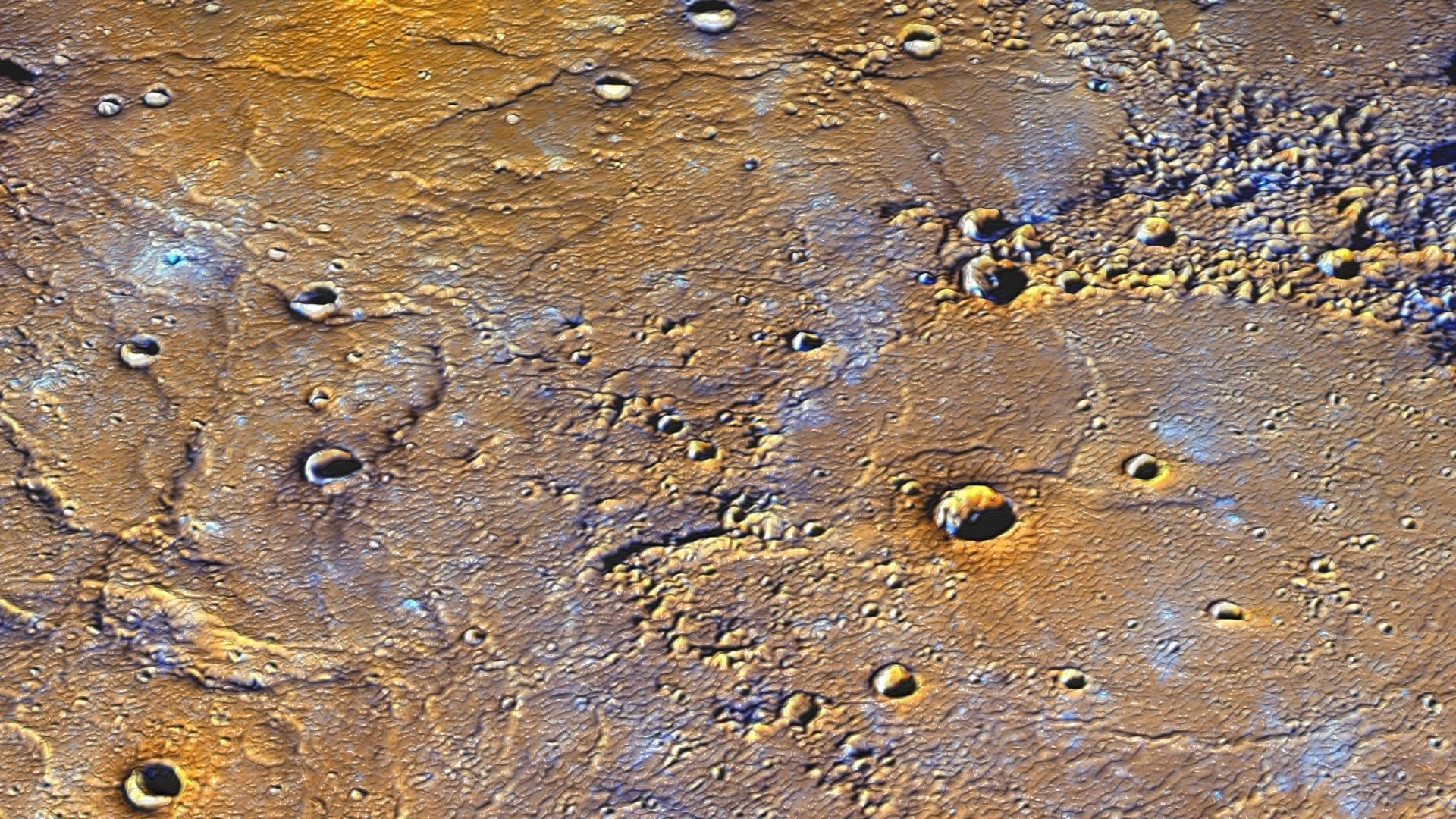
Mercury Surface Study Reveals Lower Silicon Dioxide Content Than Expected
Mercury’s surface contains roughly 37 percent silicon dioxide by mass, dropping up to 25 percent below previous estimates...

MIT Researchers Find Peptides Stable in Acid, Suggesting Life Could Exist on Venus
Researchers at the Massachusetts Institute of Technology have demonstrated that short peptides can remain stable and fold into...

LUX-ZEPLIN Collaboration Records Unexplained Particle Interaction
Researchers conducting the LUX-ZEPLIN (LZ) experiment deep beneath the Black Hills of South Dakota have recorded a single...