Brent crude surpassed $100 a barrel for the first time since May on Thursday, driven by escalating Middle East hostilities, maritime blockades, and military strikes that choked off key global shipping arteries through both the Red Sea and the Strait of Hormuz.
Tanker Attacks and Chokepoint Disruptions in the Middle East
Oil prices spiked sharply as the conflict in the Middle East entered a dangerous new phase, directly threatening maritime transit routes essential for global energy supplies. The international oil benchmark reached the $100 threshold for the first time since late May, spurred by mounting disruptions across two critical shipping lanes.
The immediate catalyst for the surge involved attacks on commercial vessels in the Red Sea and near-closures in the Gulf. Yemen’s Houthis launched naval blockades targeting shipments from Saudi Arabia, striking two Saudi oil tankers. Simultaneously, the U.S. military carried out a 12th consecutive night of airstrikes against Iran, while Iran’s Islamic Revolutionary Guards Corps declared the Strait of Hormuz completely closed to uncoordinated traffic.
Central Banks Face Renewed Inflationary Pressure as Fuel Costs Mount
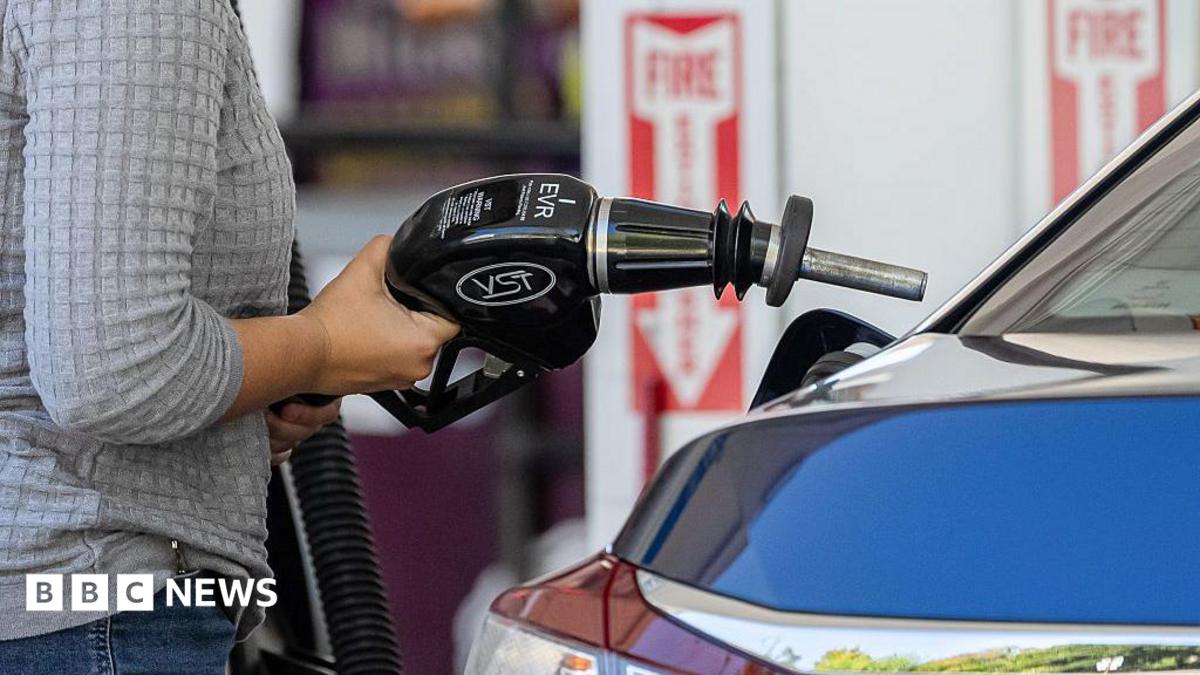
The energy shock immediately rippled through consumer economies in the United States and Europe, complicating monetary policy for central banks already struggling to keep inflation under control. In the United States, average gasoline prices climbed past $4 a gallon, up from $3.92 a month earlier, according to motorist advocacy group AAA data cited by the BBC. In the United Kingdom, petrol prices rose by 5p a litre since the beginning of July to hit nearly £1.56, while diesel averaged £1.72 a litre.

More expensive fuel and energy can ripple through the wider economy, increasing costs for businesses and ultimately feeding through into the price of food and other goods,
said Jonathan Raymond, investment manager at Quilter Cheviot, in an interview covered by the BBC. Raymond added that the price spike creates another headache for central banks as they continue their battle against inflation.
The ECB’s Governing Council stated that it is closely monitoring the duration and intensity of the shock, leaving markets pricing in a strong possibility of further rate hikes in September.
Global Stock Markets Sink Under Combined Weight of Energy Shocks and Tech Spending
The energy crisis coincided with a brutal day for equities on both sides of the Atlantic. Wall Street slumped as investors digested disappointing earnings reports from major technology firms alongside soaring commodity expenses. Tesla shares tumbled 12% after posting its first cash burn in two years, while Alphabet dropped 7% after announcing it would ramp up AI spending by another $15 billion toward a $200 billion annual total.
The broader market felt the squeeze immediately. The Dow Jones Industrial Average and the S&P 500 both fell 1%, while the Nasdaq Composite slid roughly 1.9%. European markets fared no better; the pan-European STOXX 600 index dropped 1.1% following an earnings miss from chipmaker STMicroelectronics that sent its shares plunging 18%. Government borrowing costs across Europe climbed to multi-year highs, with Germany’s 10-year Bund yield rising past 3.2% for the first time since 2011.
Bleak Projections for Crude Supplies as Diplomatic Resolution Fails
With military action intensifying and shipping lanes compromised, financial institutions are warning of even higher price ceilings ahead.
Pepperstone research strategist Ahmad Assiri observed that the immediate outlook for crude oil remains supportive as markets price a worrying probability of supply interruptions in a second chokepoint.
Related reading
Trump Says US Should Have World’s Lowest Interest Rate Ahead of Fed Meeting
President Donald Trump declared on September 13, 2026, at the Irish Open in Doonbeg, Ireland, that the United...
Central Banks Face Rate Decisions Amid Surging Inflation and Oil Pressures
Central banks across the US, UK, and Japan face pivotal interest rate decisions this week amid turbulent global...

German Firms View China Expansion as Opportunity Amid Narrowing Window
German companies in China increasingly view the international expansion of local businesses as a major business opportunity, though...

UK Government to Update Student Loan Guidance Following Mis-Selling Findings
University applicants in England are set to receive clearer information regarding student loans before committing to borrowing, following...