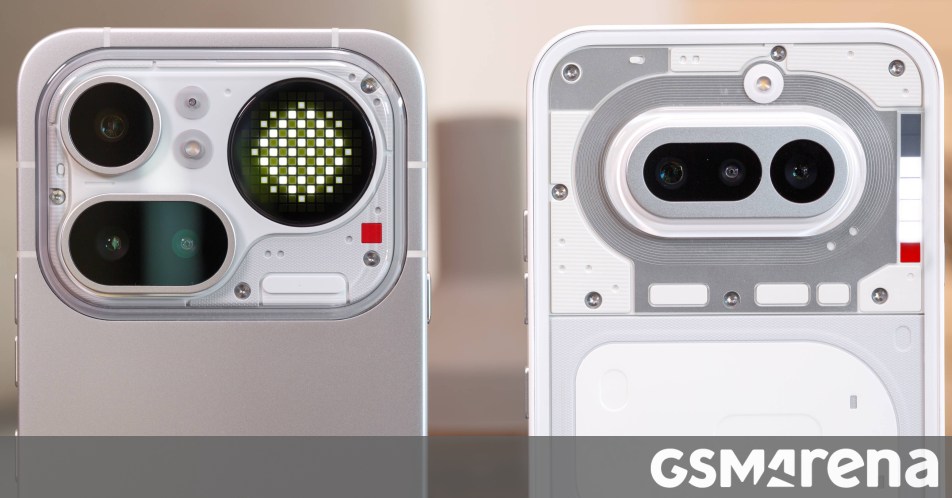
London-based hardware maker Nothing has denied reports that it is exiting 12 global markets, calling the claims fake news.
Co-founder Akis Evangelidis confirmed on July 24, 2026, that the company is reorganizing its teams and introducing new business units, following weak early shipment figures and soaring memory costs.
Akis Evangelidis Denies Market Exit Rumors as Layoffs and Reorganization Confirmed
The initial reports claimed the London-based company was preparing to pull out of a dozen countries, including Japan, the Middle East, and parts of Europe, driven by mounting financial strain and sliding device shipments.
While Evangelidis insisted that Nothing is not shutting down any markets, the company confirmed that internal restructuring is underway. Evangelidis stated on X that the brand is reorganizing its teams to prepare for its next growth phase, which includes establishing dedicated business units—such as an AI-native business unit—and consolidating individual countries into regional hubs.
“Decisions that impact people’s livelihoods are never taken lightly, and we know how difficult this transition is for our team members who are affected.”
Akis Evangelidis, Co-founder, Nothing
Reports indicate that up to 40 percent of Nothing’s global workforce could be affected, though company executives maintained that those specific figures were way overblown. According to separate reporting cited by Forbes, over 100 jobs out of an 800-person global workforce face uncertainty, with approximately 25 marketing roles at risk in the United Kingdom.
Rising Memory Costs and the Pressure on Global Shipments
The behind-the-scenes contraction arrives as component expenses climb across the entire consumer electronics sector. According to market data cited by Digit, global RAM and storage costs have surged approximately four times since September 2025, squeezing manufacturers that operate primarily in mass-market and budget segments where profit margins are razor-thin.
Nothing sold roughly 2 million devices worldwide in 2025, but maintaining that momentum in 2026 proved challenging against broader shipment declines. Recent hardware rollouts faced sluggish figures internationally: the Nothing Phone (4b) shipped about 20,000 units following its early July release, while the Nothing Phone (4a) and Phone (4a) Pro together reached roughly 150,000 units.
Evangelidis reported that the Nothing Phone (4b) sold 29,537 units on its first day alone at its $400 launch price, which executives framed as a record-breaking performance for its specific price category.
The CMF Sub-Brand Product Freeze and Executive Departure
The hardware squeeze hit Nothing’s budget-focused sub-brand, CMF, particularly hard. Prior to the Phone (4b) rollout, skyrocketing component costs forced the company to cancel the successor to the CMF Phone 2 Pro.
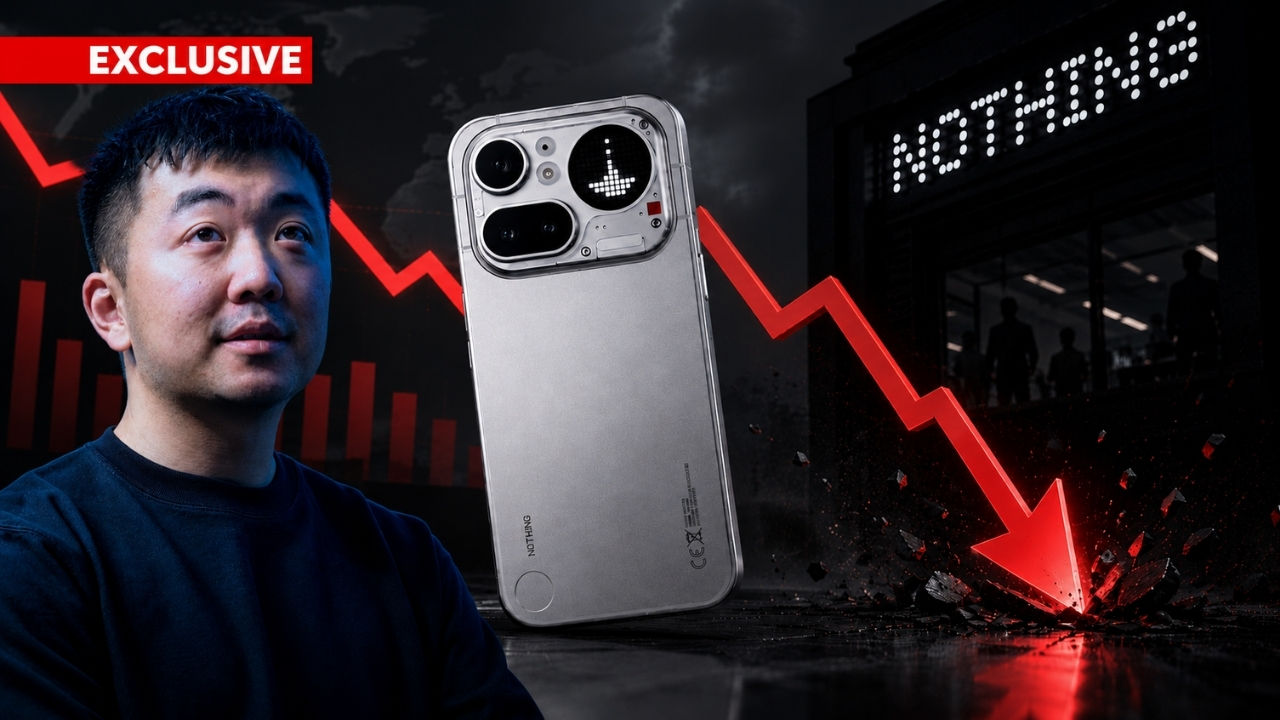
“We were working on a successor, but with memory prices where they are right now, we can’t build a phone that feels like a genuine step forward at a price that makes sense for CMF.”
Akis Evangelidis, Co-founder, Nothing
CMF was established to deliver feature-rich hardware within a sub-$250 price bracket. However, industry researchers noted that trying to build the new device with its intended specifications would have pushed the retail price to roughly $317–$370, destroying the brand’s identity. To salvage the project, Nothing rebadged the hardware into the main Nothing Phone (4b) line, leaving CMF without a hero smartphone for the foreseeable future.
Alongside the product freeze, Himanshu Tandon stepped down. Tandon had led the development of CMF into a prominent challenger brand within the affordable device sector, leaving an acute leadership gap as the brand navigates its restructuring.
Diverging Fortunes Between India and International Markets
While global shipments faced headwinds, Nothing experienced rapid expansion in South Asia. Counterpoint Research data indicated that Nothing stood as India’s fastest-growing smartphone brand in Q2 2026, posting a 105 percent year-on-year growth rate driven by the Phone (4a) lineup and a high-profile title sponsorship of the Royal Challengers Bengaluru during the IPL 2026 season.

That regional success highlights a stark contrast with the brand’s wider international footprint. Analysts note that India’s growth percentage is measured against a relatively small base and excludes the CMF sub-brand, which spun off independently in 2025.
Worth a look

iPhone 18 Pro Pre-Orders Open September 12 With A20 Pro Chip and Price Hikes
Apple's latest flagship lineup arrives with a familiar sting for buyers.
Anthropic CEO Calls for AI Slowdown, Backed by Altman and Musk
Anthropic Chief Executive Officer Dario Amodei has called on artificial intelligence firms to slow the development of the...

TCL Unveils P80 NXTPAPER AMOLED Phones and X11L TV at IFA 2026
At IFA 2026 in Berlin, TCL unveiled a massive hardware showcase featuring the P80 series of NXTPAPER AMOLED...