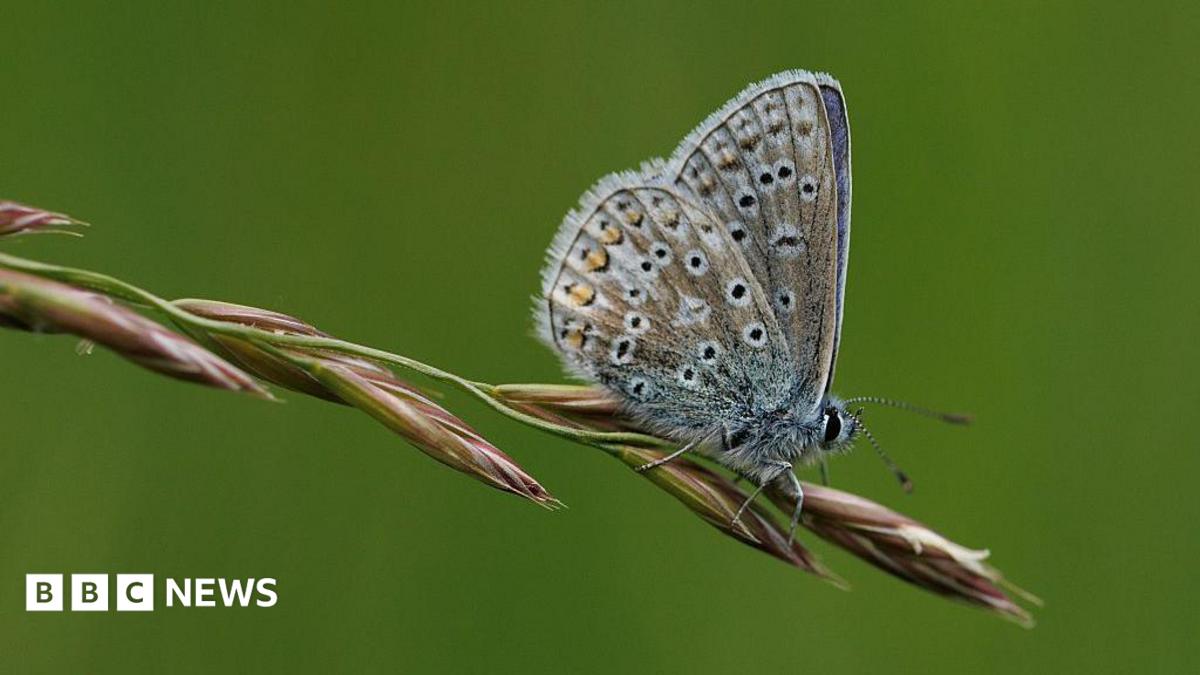
Organized by Butterfly Conservation, the citizen science survey asks the public to spend 15 minutes recording butterflies and moths in local green spaces to help scientists track environmental changes and declining populations.
Citizen Science Initiative Targets Biodiversity Decline
Visit the official Big Butterfly Count website at https://bigbutterflycount.butterfly-conservation.org/ for details and id chart. It is an annual citizen science project organized by Butterfly Conservation, encouraging people across the UK to record butterflies and moths in gardens, parks, fields, or even balconies. The survey helps scientists track the health of butterfly populations, which are key indicators of biodiversity and environmental change, as about 80% of UK butterfly species have declined over the past 50 years due to factors including habitat loss, pollution and climate change.
Insects as Barometers of Ecosystem Health
The annual citizen science project asks participants of all ages to record butterflies and day-flying moths in gardens, parks, school fields, or even on balconies. According to the publication, butterflies are vital pollinators and environmental barometers, and their presence and abundance directly reflect the health of local ecosystems. By participating, people help scientists understand trends, identify species at risk, and inform conservation strategies, while also enjoying the wellbeing benefits of outdoor observation.
High Stakes Following Decades of Habitat Loss
According to the charity, about 80% of UK butterfly species have declined over the past 50 years due to factors including habitat loss, pollution and climate change. By contributing observations to the national database, participants help scientists understand population trends, identify species at risk, and inform broader conservation strategies.
Local Mobilization in Warrington and Beyond
Local groups are mobilizing to support the count, with members of the Warrington Nature Conservation Forum (WNCF) participating annually. The Warrington Nature Conservation Forum (WNCF) says that everyone can take part at any age and its great fun for the family. There is an interactive map that will show you what species and where butterflies have been spotted.
It’s something that our members participate in every year. There is an interactive map that will show you what species and where butterflies have been spotted. Chair
Step-by-Step Guide to the 15-Minute Survey
How to Take Part includes choosing any outdoor space such as a garden, park, school field, or countryside area, counting for 15 minutes by recording all butterflies and day-flying moths seen, and identifying species using the free Big Butterfly Count app or the official ID guide. Residents can submit their sightings using the free Big Butterfly Count app or through the organisation’s website. Andy Hadley, BCP Council’s lead for climate response, environment and energy, said local habitats were important for a variety of butterflies and moths. Every 15-minute count helps build a clearer picture of how butterflies are doing locally and nationally,
he said.
Related reading

Webb Telescope Finds Chariklo’s Rings Are Changing Over Years
Astronomers using the James Webb Space Telescope (JWST) have discovered that the two narrow rings surrounding the distant...

SpaceX Launches Final Three O3b mPOWER Satellites for SES
SpaceX successfully launched the final three O3b mPOWER satellites for SES on September 13, 2026, from Cape Canaveral...

Japan Launches Kaguya Spacecraft to Map Moon in 2007
On September 13, 2007, Japan launched its advanced Kaguya spacecraft from the Tanegashima Space Centre aboard an H-IIA...

Astronomers Identify Eos, a Massive Molecular-Hydrogen Cloud Near the Sun
Astronomers have identified Eos, a massive molecular-hydrogen cloud located roughly 300 light-years away and spanning 40 full-Moon widths...